
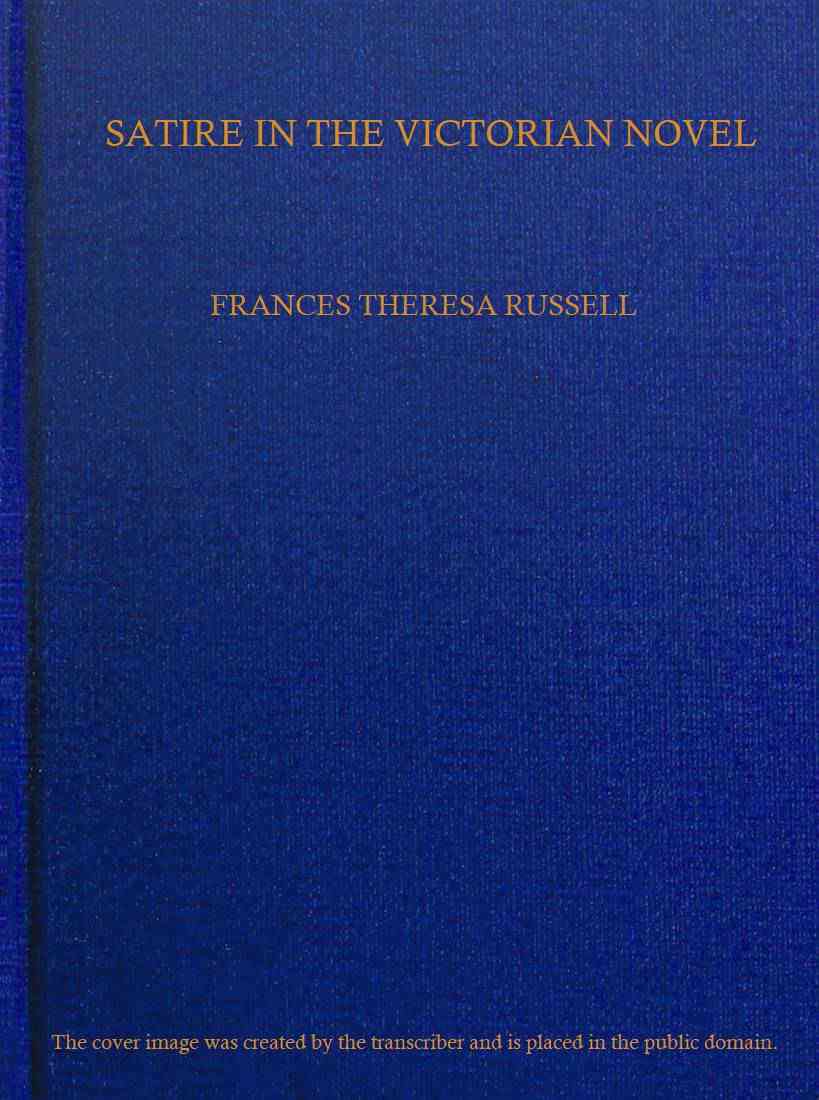
About This Book
The study analyzes the satiric impulse in nineteenth‑century English fiction, tracing its temperamental and ethical motives, critical definitions, and criteria for effectiveness. It situates satire within the novel, surveys authors’ attitudes, and distinguishes principal methods—romantic or fantastic invention, realistic modes in plot and character, and varieties of verbal and circumstantial irony. Chapters consider satiric objects, from individuals to institutions including family, marriage, state, church, education, and the press, and illustrate techniques and limits through close attention to major novelists' practices. The work balances appreciation and critique while mapping forms, difficulties, and the novel’s capacity for moral and comic appraisal.
About the Author

You May Also Like
 Tolstoy on Shakespeare: A Critical Essay on Shakespeare
by graf Leo Tolstoy
Tolstoy on Shakespeare: A Critical Essay on Shakespeare
by graf Leo Tolstoy
 Austin and His Friends
by Frederic Henry Balfour
Austin and His Friends
by Frederic Henry Balfour
 The Doom of the Griffiths
by Elizabeth Cleghorn Gaskell
The Doom of the Griffiths
by Elizabeth Cleghorn Gaskell
 Gryll Grange
by Thomas Love Peacock
Gryll Grange
by Thomas Love Peacock
 Hazlitt on English Literature: An Introduction to the Appreciation of Literature
by William Hazlitt
Hazlitt on English Literature: An Introduction to the Appreciation of Literature
by William Hazlitt
 Main Currents in Nineteenth Century Literature - 2. The Romantic School in Germany
by Georg Brandes
Main Currents in Nineteenth Century Literature - 2. The Romantic School in Germany
by Georg Brandes