

About This Book
This series of lectures argues that philosophy must shift from metaphysical absolutes toward a socially oriented, scientifically informed inquiry. It traces historical forces and the impact of modern science on notions of nature, experience, and reason; reconceives experience as active, organized, and socially inventive; treats ideals as methods rather than immutable goals; and reframes logic as a normative but empirical tool. It applies these reconstructions to ethics—emphasizing particularity, growth, and discovery over fixed rules—and to social thought, advocating pluralist associations, democratic freedom, and international humanism.
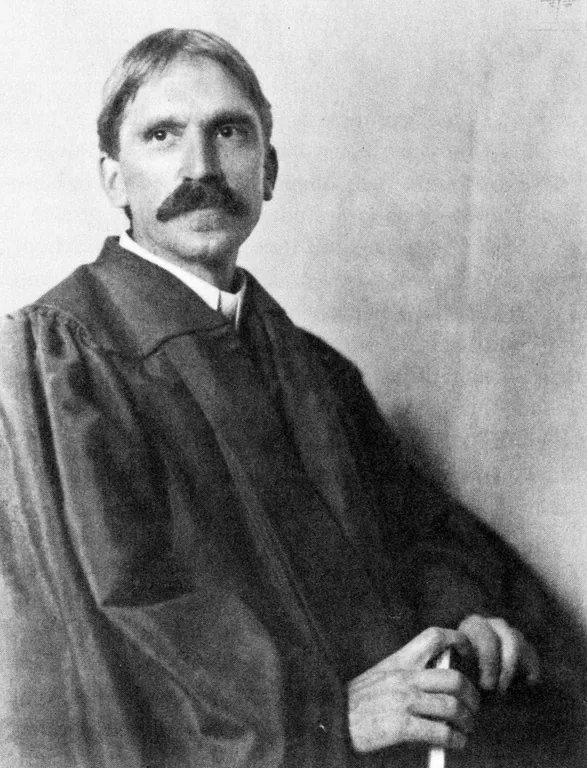
About the Author
More Books by This Author
6 picks
 China, Japan and the U.S.A. / Present-Day Conditions in the Far East and Their Bearing on the Washington Conference
by John Dewey
China, Japan and the U.S.A. / Present-Day Conditions in the Far East and Their Bearing on the Washington Conference
by John Dewey
 Creative Intelligence: Essays in the Pragmatic Attitude
by John Dewey
Creative Intelligence: Essays in the Pragmatic Attitude
by John Dewey
 Democracy and Education: An Introduction to the Philosophy of Education
by John Dewey
Democracy and Education: An Introduction to the Philosophy of Education
by John Dewey
 Essays in Experimental Logic
by John Dewey
Essays in Experimental Logic
by John Dewey
 Ethics
by John Dewey
Ethics
by John Dewey
 German philosophy and politics
by John Dewey
German philosophy and politics
by John Dewey
You May Also Like
6 picks
 Intelligence in Plants and Animals / Being a New Edition of the Author's Privately Issued "Soul and Immortality."
by Thomas G. Gentry
Intelligence in Plants and Animals / Being a New Edition of the Author's Privately Issued "Soul and Immortality."
by Thomas G. Gentry
 Widger's Quotes and Images from Conscience by Hector Malot / The French Immortals: Quotes and Images
by Hector Malot
Widger's Quotes and Images from Conscience by Hector Malot / The French Immortals: Quotes and Images
by Hector Malot
 Gleanings of a Mystic: A Series of Essays on Practical Mysticism
by Max Heindel
Gleanings of a Mystic: A Series of Essays on Practical Mysticism
by Max Heindel
 A dead man's diary
by Coulson Kernahan
A dead man's diary
by Coulson Kernahan
 Hilaire Belloc: No Alienated Man; A Study in Christian Integration
by Frederick D. Wilhelmsen
Hilaire Belloc: No Alienated Man; A Study in Christian Integration
by Frederick D. Wilhelmsen
 The Christ: A Critical Review and Analysis of the Evidences of His Existence
by John E. Remsburg
The Christ: A Critical Review and Analysis of the Evidences of His Existence
by John E. Remsburg