
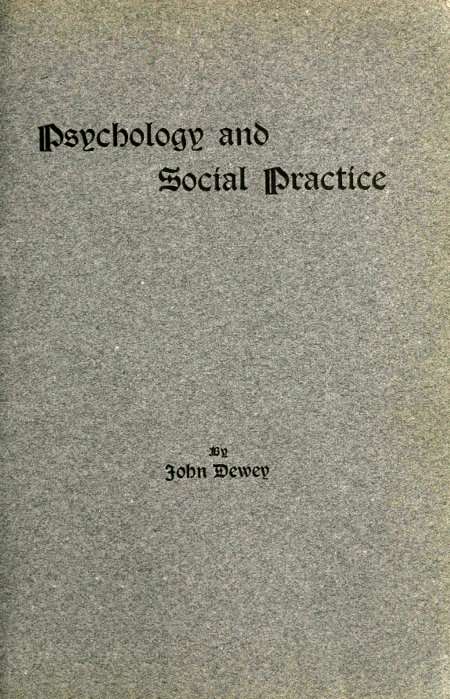
About This Book
A philosophical and practical examination of how psychological science should inform social and educational practice, arguing that current schooling rests on hidden psychological assumptions that misread the child as a small adult or, conversely, presume adult likeness where developmental difference matters. The author urges that children be seen as engaged in growth and habit-formation requiring broad, flexible experience rather than premature specialization or formal discipline. Laboratory findings and scattered facts must be reorganized for classroom use, and meaningful reform depends on teachers grasping the scientific principles that underlie educative aims and methods.
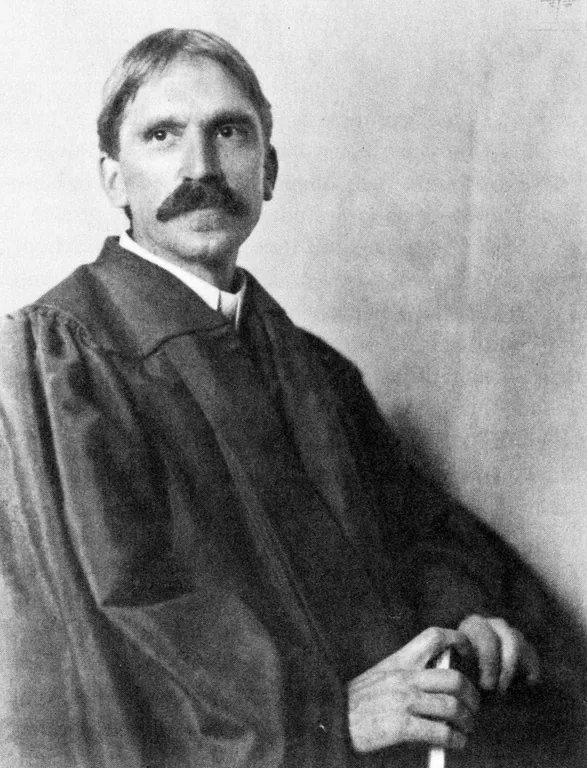
About the Author
More Books by This Author
6 picks
 China, Japan and the U.S.A. / Present-Day Conditions in the Far East and Their Bearing on the Washington Conference
by John Dewey
China, Japan and the U.S.A. / Present-Day Conditions in the Far East and Their Bearing on the Washington Conference
by John Dewey
 Creative Intelligence: Essays in the Pragmatic Attitude
by John Dewey
Creative Intelligence: Essays in the Pragmatic Attitude
by John Dewey
 Democracy and Education: An Introduction to the Philosophy of Education
by John Dewey
Democracy and Education: An Introduction to the Philosophy of Education
by John Dewey
 Essays in Experimental Logic
by John Dewey
Essays in Experimental Logic
by John Dewey
 Ethics
by John Dewey
Ethics
by John Dewey
 German philosophy and politics
by John Dewey
German philosophy and politics
by John Dewey
You May Also Like
6 picks
 Essays on Educational Reformers
by Robert Hebert Quick
Essays on Educational Reformers
by Robert Hebert Quick
 The Reformed Librarie-Keeper (1650)
by John Dury
The Reformed Librarie-Keeper (1650)
by John Dury
 Daily Lesson Plans in English
by Caroline Stearns Griffin
Daily Lesson Plans in English
by Caroline Stearns Griffin
 The speaker's ideal entertainments
by George M. Vickers
The speaker's ideal entertainments
by George M. Vickers
 The Power of Womanhood, or Mothers and Sons / A Book For Parents, And Those In Loco Parentis
by Ellice Hopkins
The Power of Womanhood, or Mothers and Sons / A Book For Parents, And Those In Loco Parentis
by Ellice Hopkins
 Heath's Modern Language Series: The Spanish American Reader
by Ernesto Nelson
Heath's Modern Language Series: The Spanish American Reader
by Ernesto Nelson