
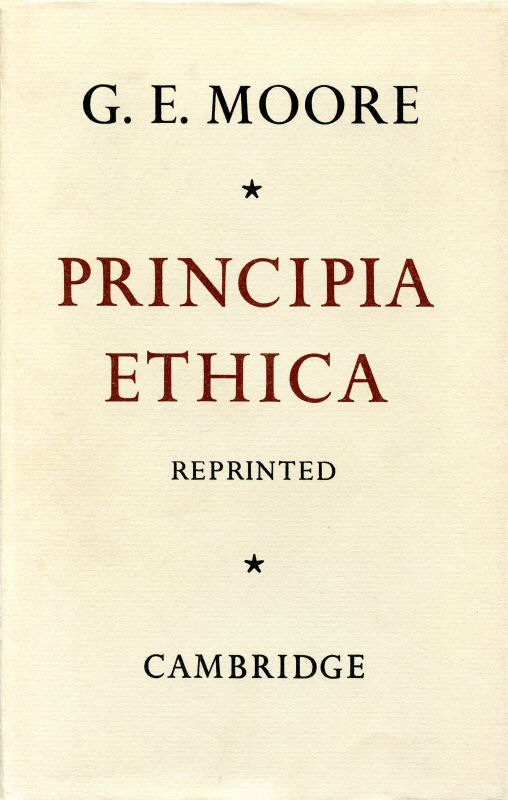
About This Book
The work analyzes ethical inquiry by distinguishing two questions: what things have intrinsic value and what actions ought to be performed. It contends that good names a simple, indefinable quality and cautions against defining it in natural terms, a point associated with the naturalistic fallacy and the open-question argument. Claims about right action are shown to require both factual, causal information about consequences and self-evident ethical propositions. The author argues that many kinds of things are intrinsically good and that wholes can possess value not reducible to their parts, a principle termed organic unities, and develops an ideal-consequentialist framework for moral judgment.
About the Author

More Books by This Author
1 picks
You May Also Like
6 picks
 No Treason, Vol. VI.: The Constitution of No Authority
by Lysander Spooner
No Treason, Vol. VI.: The Constitution of No Authority
by Lysander Spooner
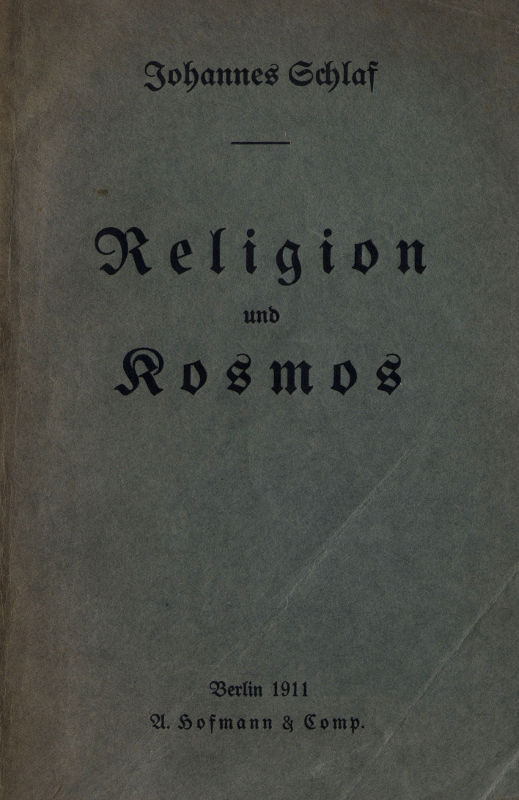 Religion und Kosmos
by Johannes Schlaf
Religion und Kosmos
by Johannes Schlaf
 Spiritual Reformers in the 16th & 17th Centuries
by Rufus M. Jones
Spiritual Reformers in the 16th & 17th Centuries
by Rufus M. Jones
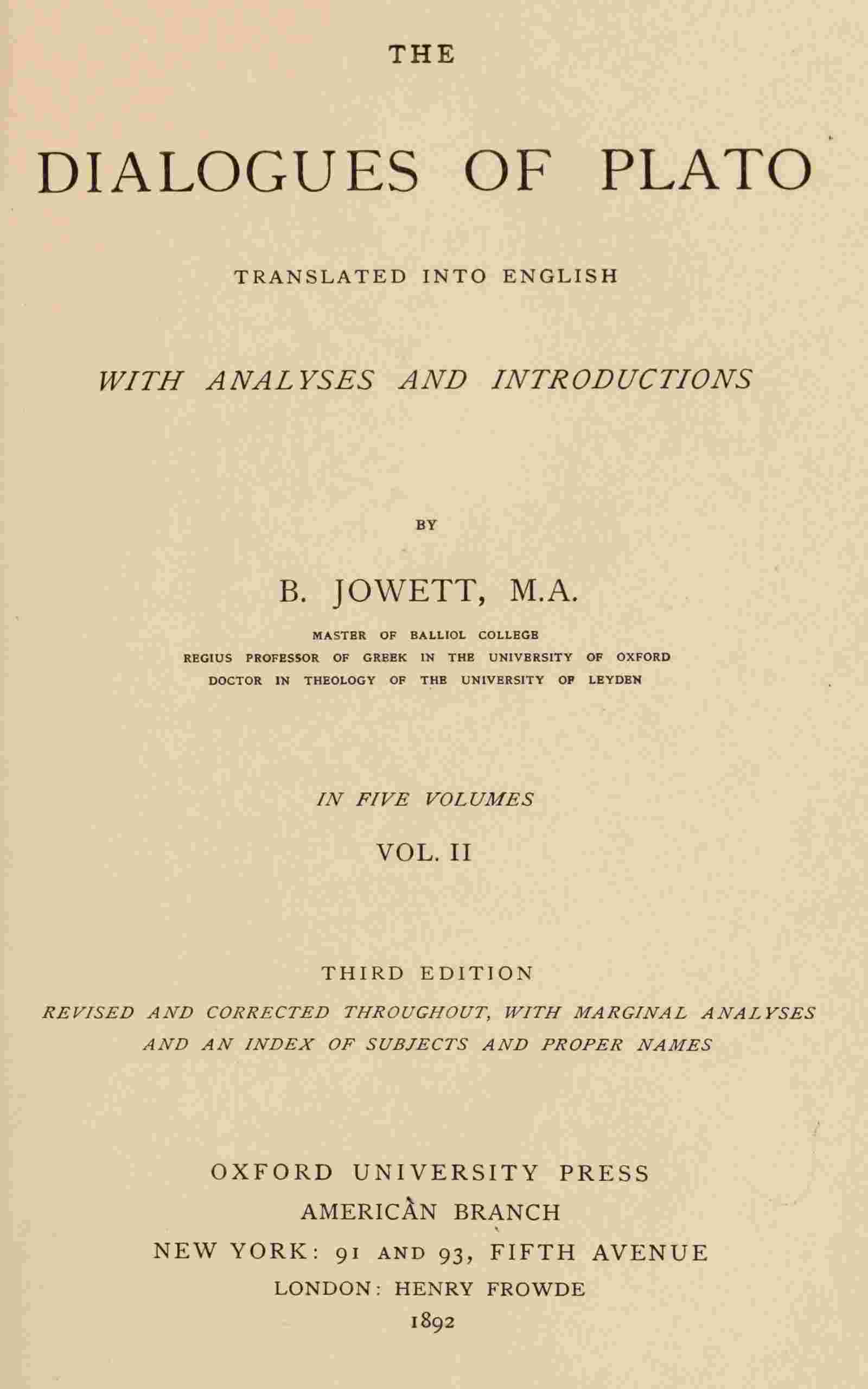 The dialogues of Plato in five volumes, Vol. 2 (of 5)
by Plato
The dialogues of Plato in five volumes, Vol. 2 (of 5)
by Plato
 The Majesty of Calmness; individual problems and posibilities
by William George Jordan
The Majesty of Calmness; individual problems and posibilities
by William George Jordan
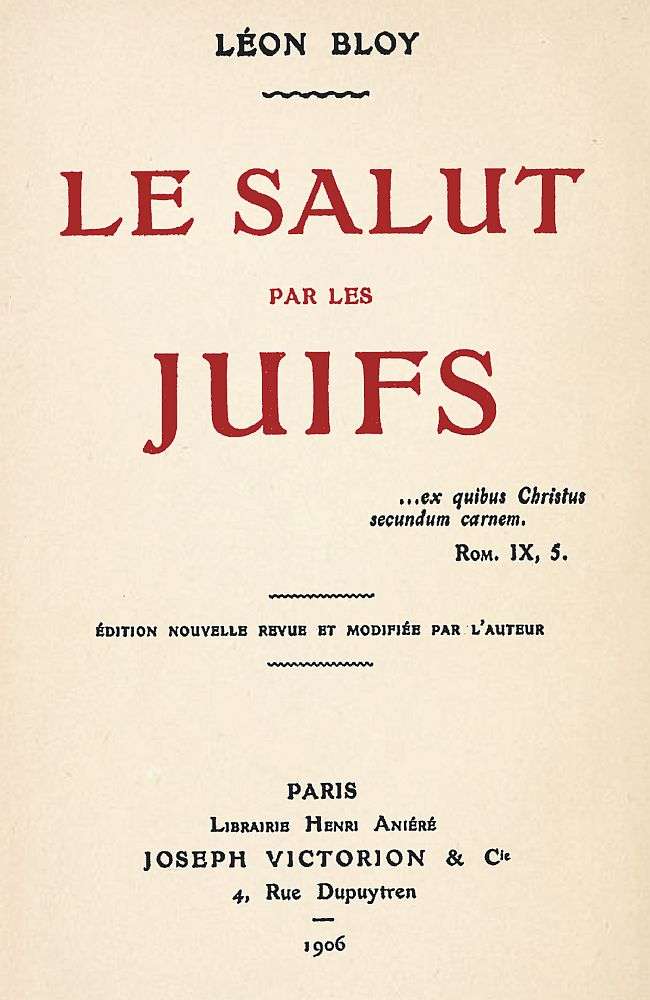 Le Salut par les Juifs
by Léon Bloy
Le Salut par les Juifs
by Léon Bloy