
About This Book
The book argues that unrestricted manhood or universal suffrage undermines competent government and fosters corruption, patronage, and political machines. Drawing on historical and comparative examples, it contends that the franchise is a governmental function that may be properly limited to those with demonstrated capacity rather than treated as a natural right, and it advocates property or other competency tests. Chapters trace perceived origins of expansive suffrage, detail its effects on legislatures, municipal administration, party bosses, spoils systems, vote trafficking, and foreign policy, and criticize rotation in office, concluding that restoring voter qualifications and institutional safeguards is necessary to improve public administration.
About the Author

You May Also Like
 Colonial dames and good wives
by Alice Morse Earle
Colonial dames and good wives
by Alice Morse Earle
 Richard Judkins' Wooing: A Tale of Virginia in the Revolution
by T. Jenkins Hains
Richard Judkins' Wooing: A Tale of Virginia in the Revolution
by T. Jenkins Hains
 Frenzied Finance, Vol. 1: The Crime of Amalgamated
by Thomas William Lawson
Frenzied Finance, Vol. 1: The Crime of Amalgamated
by Thomas William Lawson
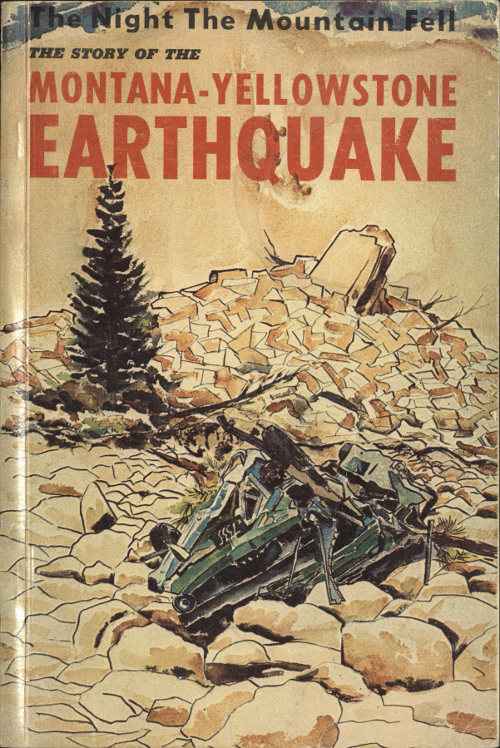 The Night the Mountain Fell: The Story of the Montana-Yellowstone Earthquake
by Edmund Christopherson
The Night the Mountain Fell: The Story of the Montana-Yellowstone Earthquake
by Edmund Christopherson
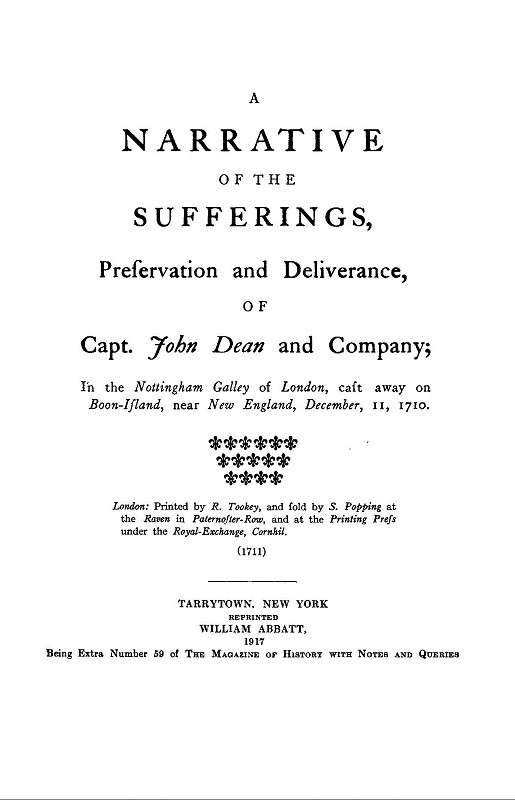 A narrative of the sufferings, preservation and deliverance, of Capt. John Dean and company / in the Nottingham galley of London, cast away on Boon-Island, near New England, December 11, 1710
by John Dean
A narrative of the sufferings, preservation and deliverance, of Capt. John Dean and company / in the Nottingham galley of London, cast away on Boon-Island, near New England, December 11, 1710
by John Dean
 Life of Father Hecker
by Walter Elliott
Life of Father Hecker
by Walter Elliott