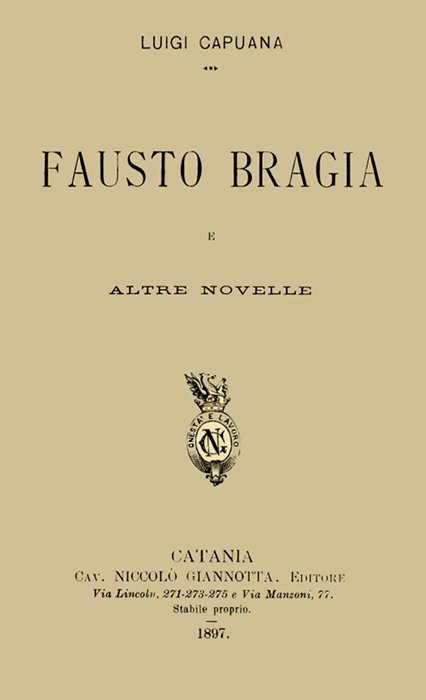

About This Book
A stubborn farmer stops working and urges a coordinated halt in food production as a means to force political change, sitting peacefully and smoking his pipe while his anxious wife doubts the plan and neighbors weigh joining. He argues that mechanization is not yet a substitute for human labor and that withholding food will make war impossible, but authorities seize him and substitute a metallic, mechanical likeness. The story traces his act of passive resistance, the domestic and communal tensions it creates, and the unsettling consequences of replacing human agency with machines, questioning the efficacy and limits of individual protest.
About the Author

More Books by This Author
6 picks






You May Also Like
6 picks