
WeRead Powered by ReaderPub
P'laski's Tunament / 1891 cover

P'laski's Tunament / 1891

A first-person narrator recounts a formal visit from an elderly man from Hanover and the man's companions, who relate a comic, episodic account of his troublesome son Pulaski. The tale unfolds as a homespun reminiscence delivered in dialect, detailing the son's mischief, failed discipline, being hired out to a woman named Mrs. Twine, and his fanciful ambition to ride in a tournament, which prompts both embarrassment and exaggerated moralizing by his father. The story mixes rustic humor, ironic observation about social standing and parenthood, and vivid character sketches, using anecdote and regional speech to create a playful portrait of rural community life.

About This Book

A first-person narrator recounts a formal visit from an elderly man from Hanover and the man's companions, who relate a comic, episodic account of his troublesome son Pulaski. The tale unfolds as a homespun reminiscence delivered in dialect, detailing the son's mischief, failed discipline, being hired out to a woman named Mrs. Twine, and his fanciful ambition to ride in a tournament, which prompts both embarrassment and exaggerated moralizing by his father. The story mixes rustic humor, ironic observation about social standing and parenthood, and vivid character sketches, using anecdote and regional speech to create a playful portrait of rural community life.

About the Author
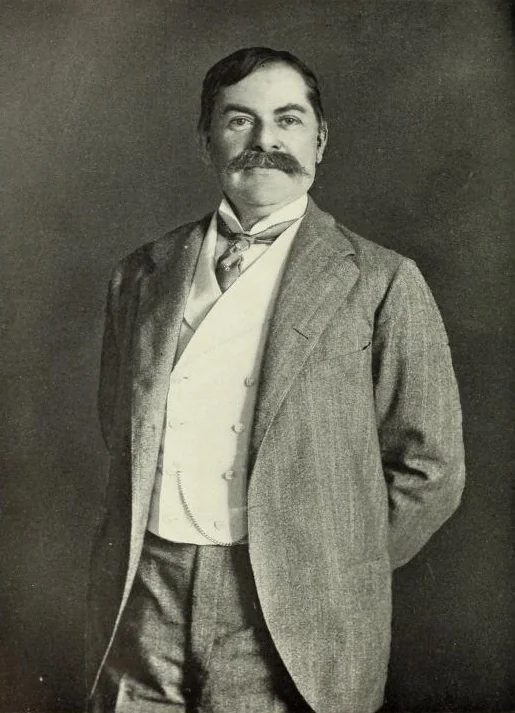
Page, Thomas Nelson portrait

Thomas Nelson Page

Thomas Nelson Page was an American author known for his works that often explore themes of Southern life and culture. His storytelling is characterized by a blend of humor and pathos, reflecting the complexities of the post-Civil War South. Among his notable works is "A Soldier Of The Empire," which showcases his ability to weave historical narratives with engaging characters. Page also wrote short stories and novels such as "Gordon Keith" and "John Marvel, Assistant," contributing significantly to the literary heritage of the American South. His writings provide valuable insights into the social dynamics and regional identity of his time.

More Books by This Author

You May Also Like