
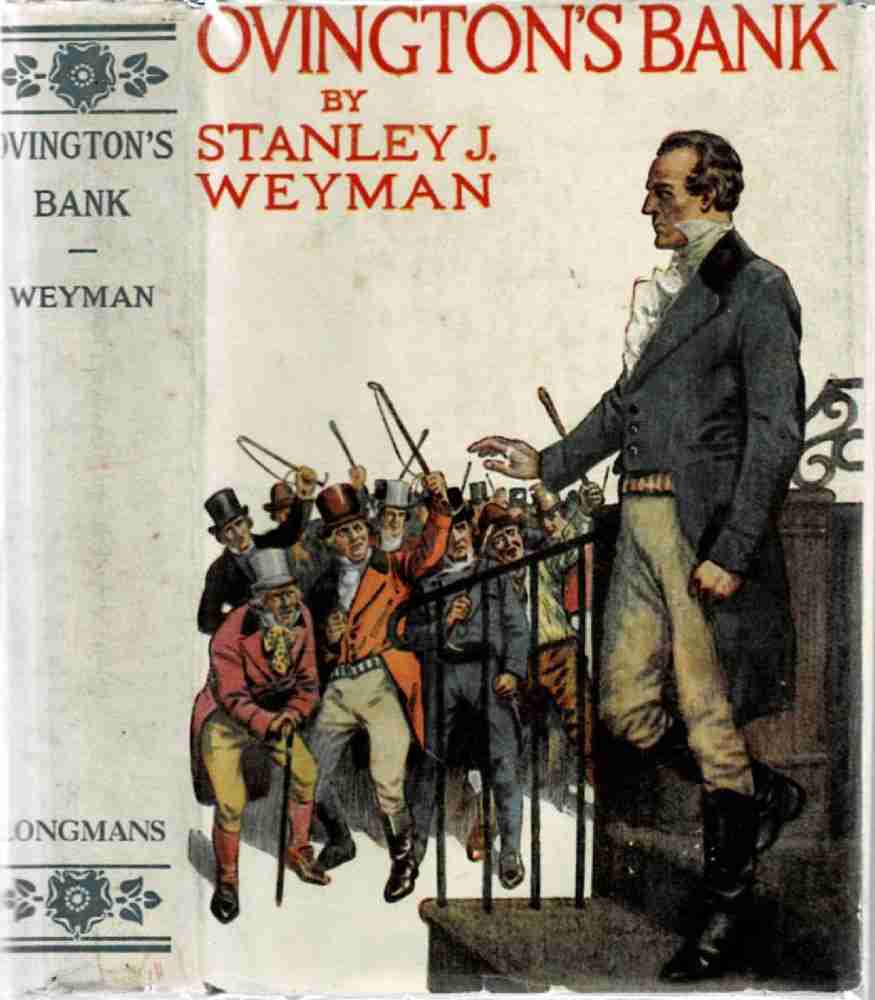
Ovington's Bank
About This Book
Set in an English county town, the narrative follows the lives of a provincial bank’s staff, their families, and the local gentry as market days, coach arrivals, and domestic visits reveal loyalties, ambitions, and unease. Told in episodic chapters, the story moves between the bank, inns, family houses, and surrounding countryside, portraying social rituals, rural commerce, and the strains of reputation and money. Interactions among neighbors, inheritances, and personal obligations gradually expose shifting fortunes and quiet tensions, while concise scenes blend humor, observation, and moral pressure to chart how community expectations shape individual choices.
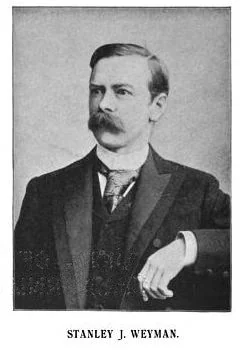
About the Author
More Books by This Author
6 picks
 "Susi": Historiallinen romaani Perttuliyön ajalta
by Stanley John Weyman
"Susi": Historiallinen romaani Perttuliyön ajalta
by Stanley John Weyman
 A Gentleman of France: Being the Memoirs of Gaston de Bonne Sieur de Marsac
by Stanley John Weyman
A Gentleman of France: Being the Memoirs of Gaston de Bonne Sieur de Marsac
by Stanley John Weyman
 A Little Wizard
by Stanley John Weyman
A Little Wizard
by Stanley John Weyman
 Chippinge Borough
by Stanley John Weyman
Chippinge Borough
by Stanley John Weyman
 Count Hannibal: A Romance of the Court of France
by Stanley John Weyman
Count Hannibal: A Romance of the Court of France
by Stanley John Weyman
 For the Cause
by Stanley John Weyman
For the Cause
by Stanley John Weyman