

About This Book
The author argues that the school's moral purpose is to shape conduct through social experience, making moral growth a product of participation in a cooperative school community, curricular choices, and teaching methods that tie subject matter to practical consequences. He distinguishes moral ideas that influence behavior from abstract notions about morality, examines how classroom organization and pedagogy cultivate habits of responsibility, and analyzes psychological processes by which instruction functions as moral training. Practical chapters show how course content and school social life can be arranged to promote cooperative habits, reflective judgment, and civic-minded dispositions.
About the Author
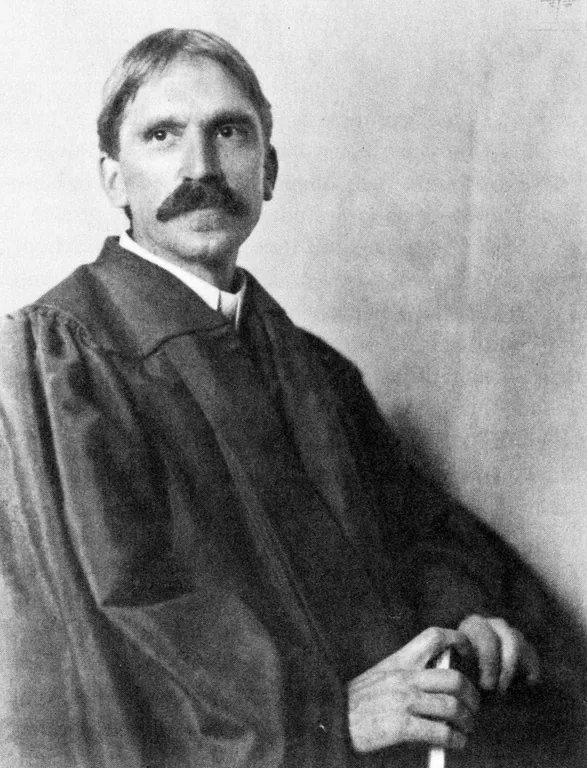
More Books by This Author
6 picks
 China, Japan and the U.S.A. / Present-Day Conditions in the Far East and Their Bearing on the Washington Conference
by John Dewey
China, Japan and the U.S.A. / Present-Day Conditions in the Far East and Their Bearing on the Washington Conference
by John Dewey
 Creative Intelligence: Essays in the Pragmatic Attitude
by John Dewey
Creative Intelligence: Essays in the Pragmatic Attitude
by John Dewey
 Democracy and Education: An Introduction to the Philosophy of Education
by John Dewey
Democracy and Education: An Introduction to the Philosophy of Education
by John Dewey
 Essays in Experimental Logic
by John Dewey
Essays in Experimental Logic
by John Dewey
 Ethics
by John Dewey
Ethics
by John Dewey
 German philosophy and politics
by John Dewey
German philosophy and politics
by John Dewey
You May Also Like
6 picks
 Higher Education and Business Standards
by Willard E. Hotchkiss
Higher Education and Business Standards
by Willard E. Hotchkiss
 The Art of Story-Telling, with nearly half a hundred stories
by Julia Darrow Cowles
The Art of Story-Telling, with nearly half a hundred stories
by Julia Darrow Cowles
 Learning to Be a Schoolmaster
by Thomas R. Cole
Learning to Be a Schoolmaster
by Thomas R. Cole
 Thoughts on Art and Life
by da Vinci Leonardo
Thoughts on Art and Life
by da Vinci Leonardo
 Four Phases of Morals: Socrates, Aristotle, Christianity, Utilitarianism
by John Stuart Blackie
Four Phases of Morals: Socrates, Aristotle, Christianity, Utilitarianism
by John Stuart Blackie
 Atheism in Pagan Antiquity
by A. B. Drachmann
Atheism in Pagan Antiquity
by A. B. Drachmann