
WeRead Powered by ReaderPub
Mam' Lyddy's Recognition / 1908 cover

Mam' Lyddy's Recognition / 1908

The narrative centers on Mam' Lyddy, a long-serving Black house servant whose fierce loyalty to the French family and insistence on their social superiority shape domestic life on the Château plantation. She watches over Pretty Betty, vets suitors, and lends crucial support to Cabell Graeme's courtship while maintaining prideful distance after emancipation. The story sketches household hierarchies, the unequal treatment of Mam' Lyddy's husband Caesar, and the way memory, devotion, and class attitudes persist amid changing legal status, producing both comic scrutiny and poignant moments as personal allegiances intersect with social expectation.

About This Book

The narrative centers on Mam' Lyddy, a long-serving Black house servant whose fierce loyalty to the French family and insistence on their social superiority shape domestic life on the Château plantation. She watches over Pretty Betty, vets suitors, and lends crucial support to Cabell Graeme's courtship while maintaining prideful distance after emancipation. The story sketches household hierarchies, the unequal treatment of Mam' Lyddy's husband Caesar, and the way memory, devotion, and class attitudes persist amid changing legal status, producing both comic scrutiny and poignant moments as personal allegiances intersect with social expectation.

About the Author
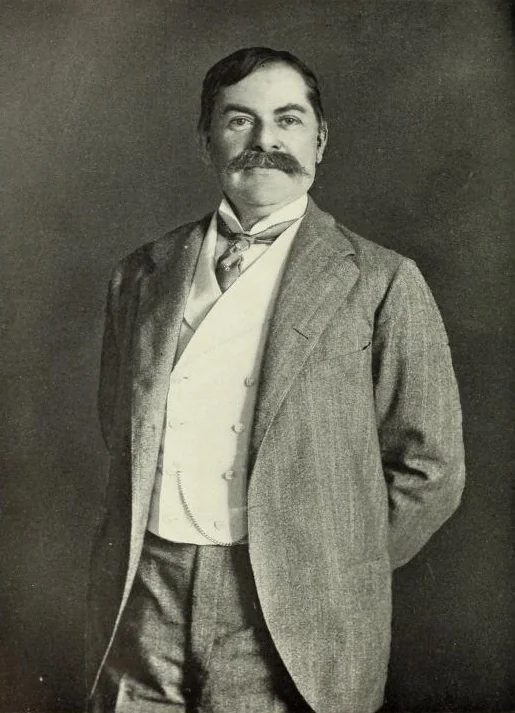
Page, Thomas Nelson portrait

Thomas Nelson Page

Thomas Nelson Page was an American author known for his works that often explore themes of Southern life and culture. His storytelling is characterized by a blend of humor and pathos, reflecting the complexities of the post-Civil War South. Among his notable works is "A Soldier Of The Empire," which showcases his ability to weave historical narratives with engaging characters. Page also wrote short stories and novels such as "Gordon Keith" and "John Marvel, Assistant," contributing significantly to the literary heritage of the American South. His writings provide valuable insights into the social dynamics and regional identity of his time.

More Books by This Author

You May Also Like