
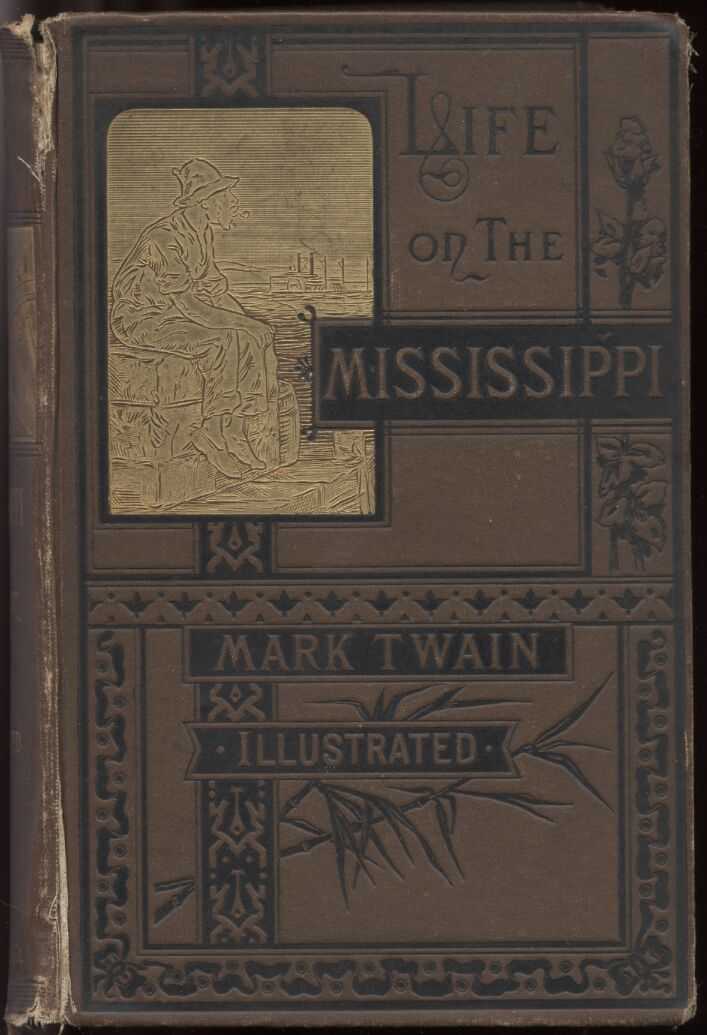
Life on the Mississippi, Part 2.
The narrative recounts the author's youthful apprenticeship on Mississippi steamboats, learning to navigate ever-shifting channels and recognize fleeting landmarks while mastering night navigation and pilot-house routines. Anecdotes illustrate practical instruction, professional etiquette, and the lampooning of overconfidence among crew. Descriptions blend technical detail with wry humor and lively portraits of river scenery, snags, and shoals. Episodes emphasize how memory, close observation, and rapid decision-making are required to read the water's deceptive shapes. The tone alternates between instructional clarity and sardonic reflection on the hazards and charms of life afloat.
About This Book
The narrative recounts the author's youthful apprenticeship on Mississippi steamboats, learning to navigate ever-shifting channels and recognize fleeting landmarks while mastering night navigation and pilot-house routines. Anecdotes illustrate practical instruction, professional etiquette, and the lampooning of overconfidence among crew. Descriptions blend technical detail with wry humor and lively portraits of river scenery, snags, and shoals. Episodes emphasize how memory, close observation, and rapid decision-making are required to read the water's deceptive shapes. The tone alternates between instructional clarity and sardonic reflection on the hazards and charms of life afloat.
About the Author
More Books by This Author
 1601: Conversation as it was by the Social Fireside in the Time of the Tudors
by Mark Twain
1601: Conversation as it was by the Social Fireside in the Time of the Tudors
by Mark Twain
 A Connecticut Yankee in King Arthur's Court
by Mark Twain
A Connecticut Yankee in King Arthur's Court
by Mark Twain
 A Connecticut Yankee in King Arthur's Court, Part 1.
by Mark Twain
A Connecticut Yankee in King Arthur's Court, Part 1.
by Mark Twain
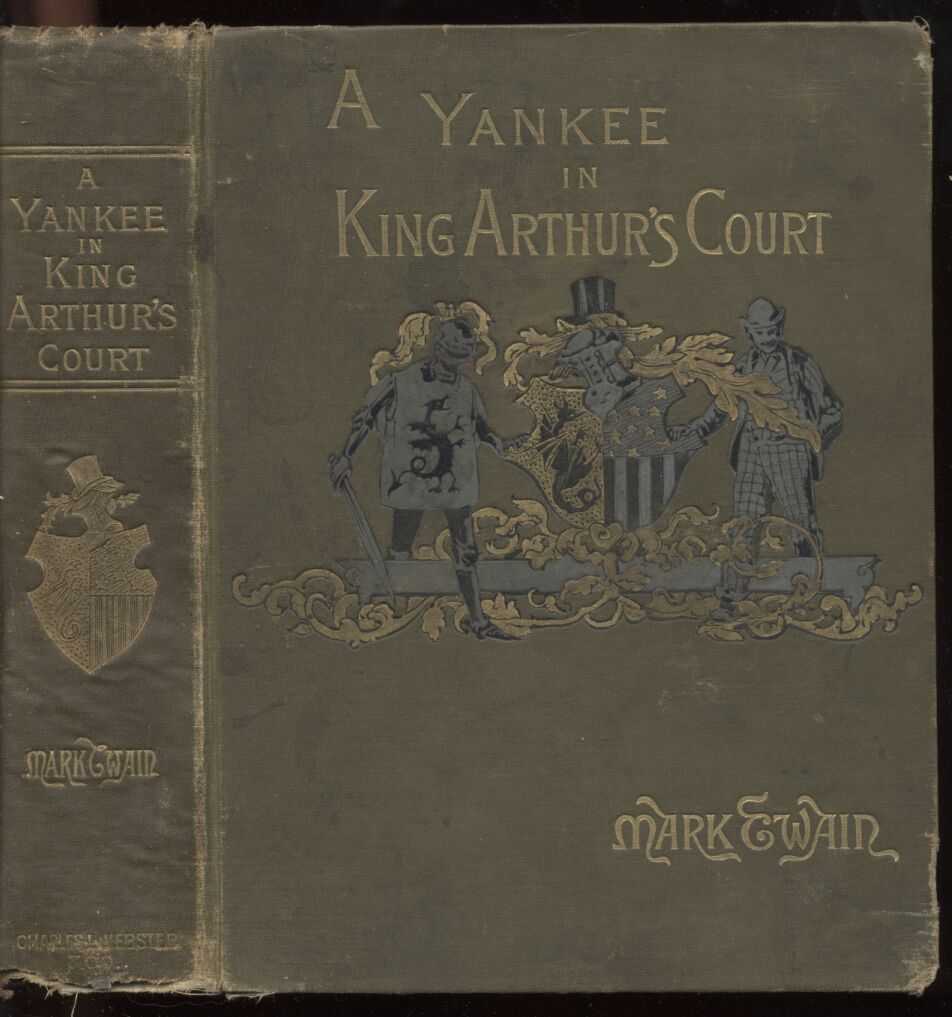 A Connecticut Yankee in King Arthur's Court, Part 2.
by Mark Twain
A Connecticut Yankee in King Arthur's Court, Part 2.
by Mark Twain
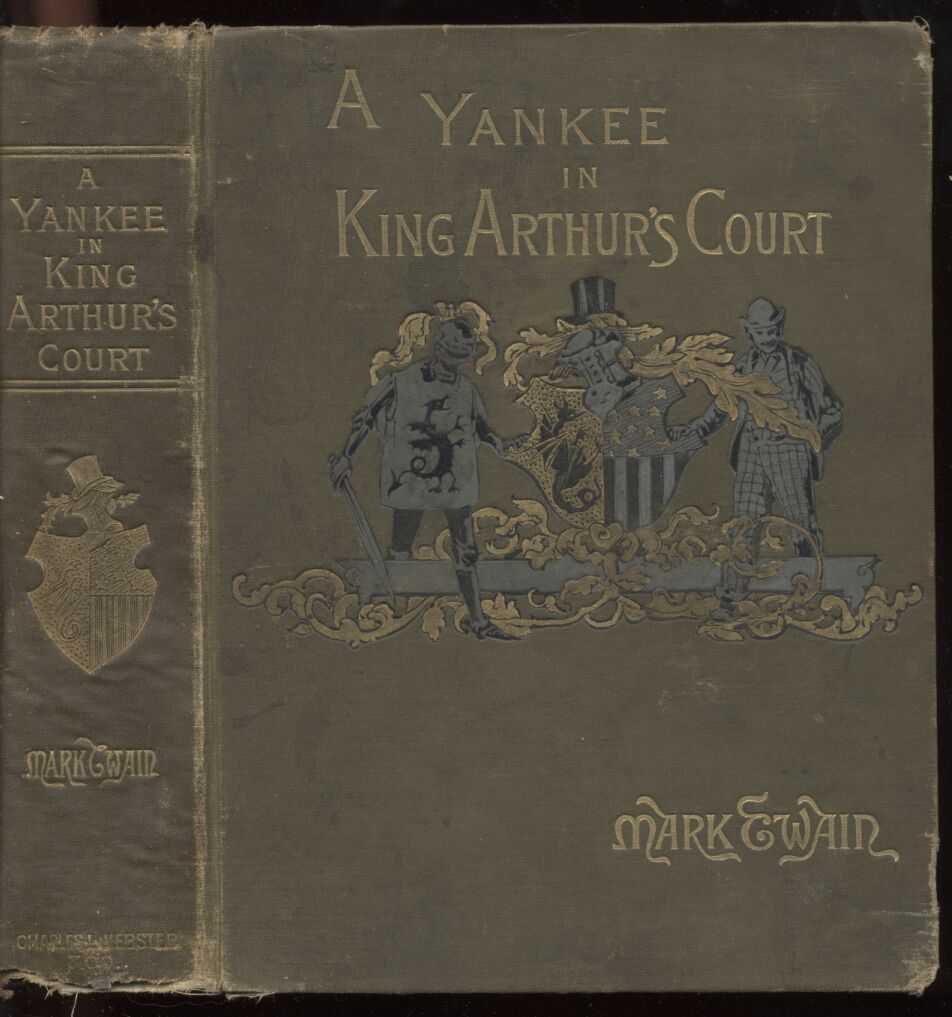 A Connecticut Yankee in King Arthur's Court, Part 3.
by Mark Twain
A Connecticut Yankee in King Arthur's Court, Part 3.
by Mark Twain
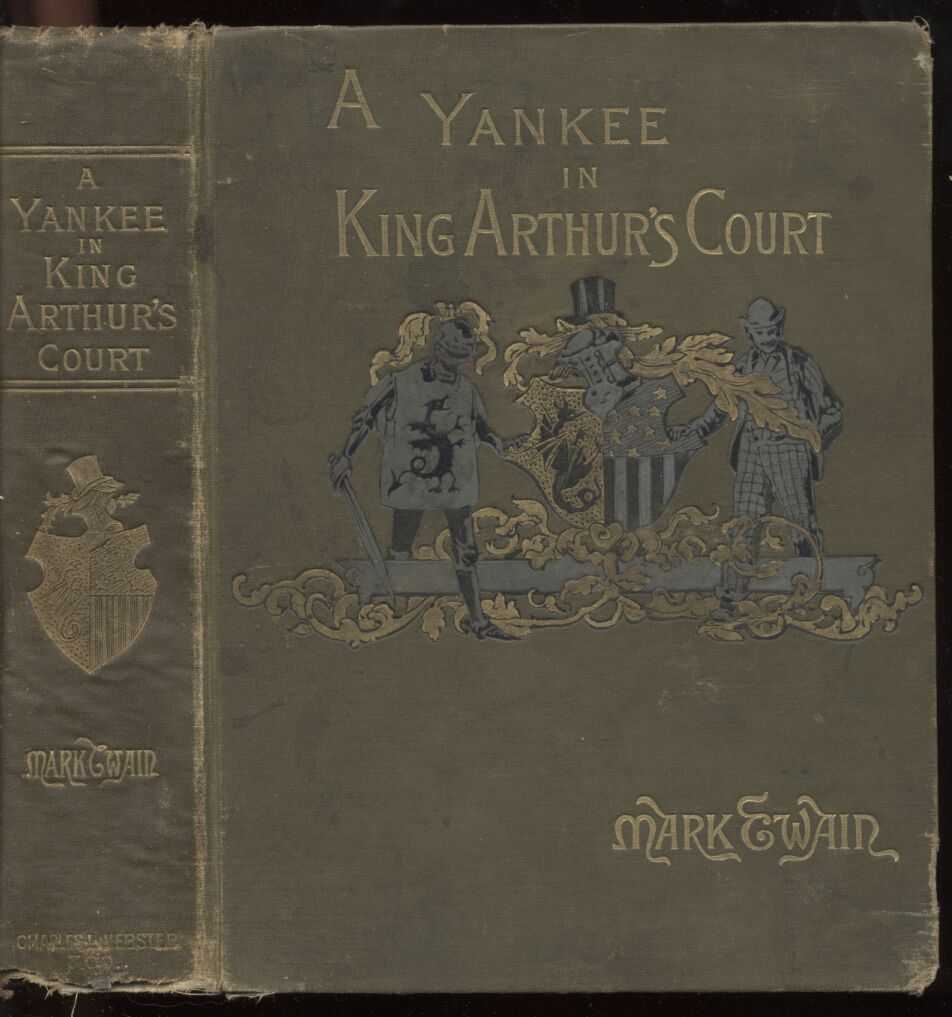 A Connecticut Yankee in King Arthur's Court, Part 4.
by Mark Twain
A Connecticut Yankee in King Arthur's Court, Part 4.
by Mark Twain
You May Also Like
 "... Mutta -- naivat tummaverisiä"
by Anita Loos
"... Mutta -- naivat tummaverisiä"
by Anita Loos
 "And That's How It Was, Officer"
by Ralph Sholto
"And That's How It Was, Officer"
by Ralph Sholto
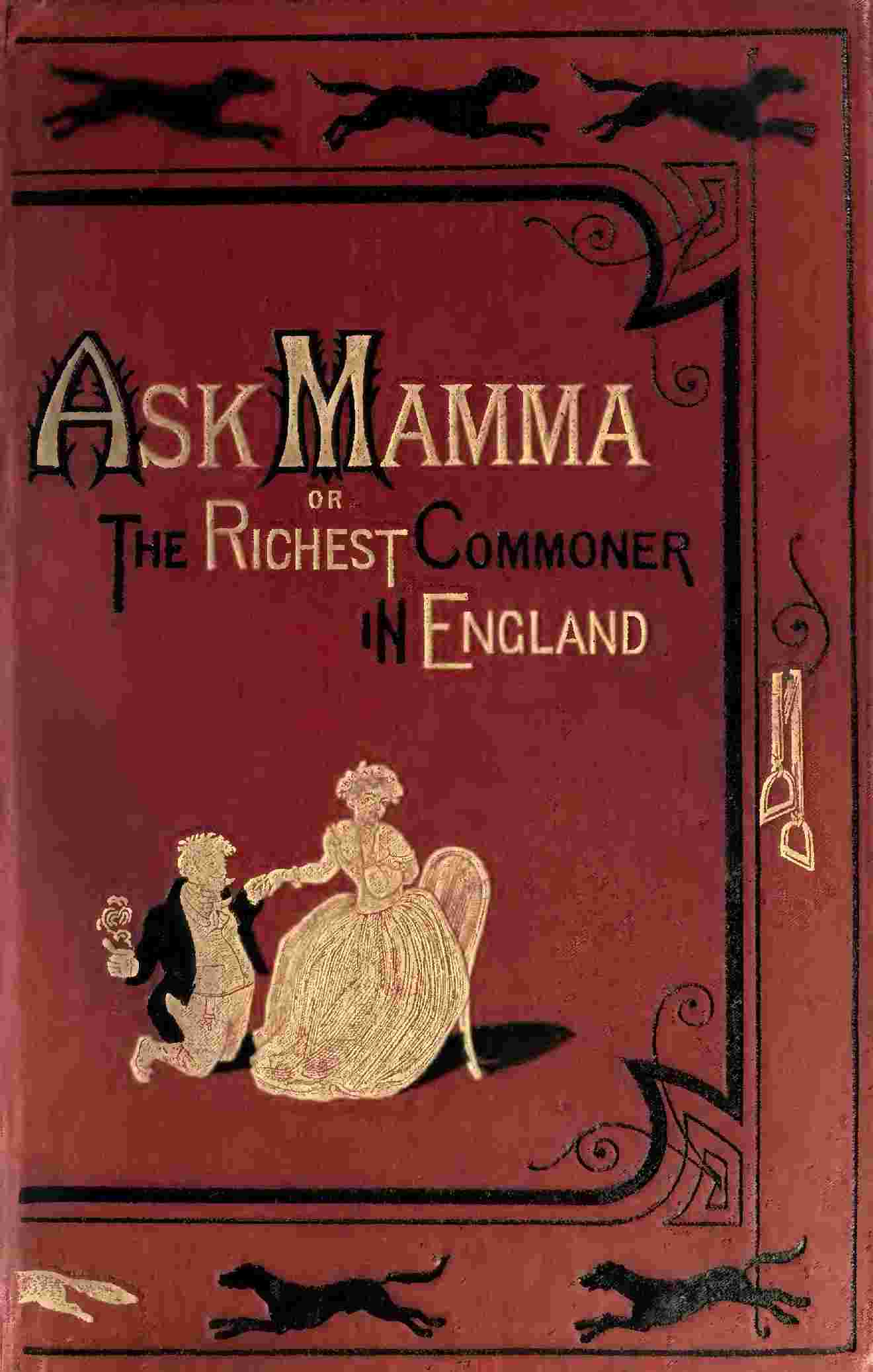 "Ask Mamma"; or, The Richest Commoner In England
by Robert Smith Surtees
"Ask Mamma"; or, The Richest Commoner In England
by Robert Smith Surtees
 "Bones": Being Further Adventures in Mr. Commissioner Sanders' Country
by Edgar Wallace
"Bones": Being Further Adventures in Mr. Commissioner Sanders' Country
by Edgar Wallace
 "Excelsior"
by Bret Harte
"Excelsior"
by Bret Harte
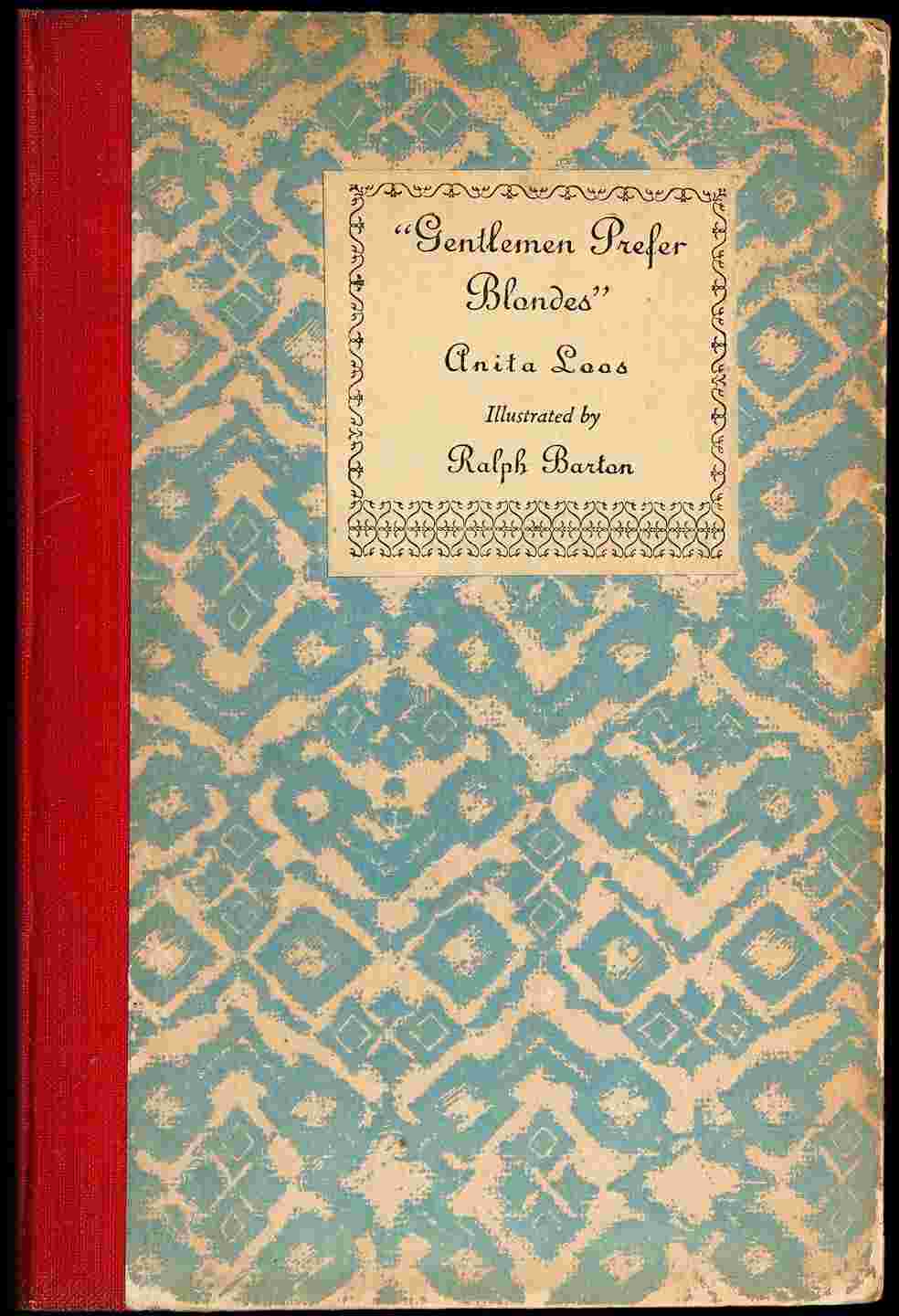 "Gentlemen prefer blondes"
by Anita Loos
"Gentlemen prefer blondes"
by Anita Loos