

About This Book
The work analyzes the conductor's function and technique, asserting that a conductor profoundly shapes how music is heard. It details required capacities — hearing, sight, score literacy, pulse control, instrumental knowledge and persuasive leadership — and explains practical duties in rehearsal and performance: correcting ensemble faults, choosing tempi with or without metronome markings, subdividing beats, and coordinating singers and orchestra. It contrasts the challenges of directing operatic versus symphonic repertoire, warns against mechanical or unsympathetic direction, and emphasizes the need to convey feeling so performers respond with unity and vitality.
About the Author
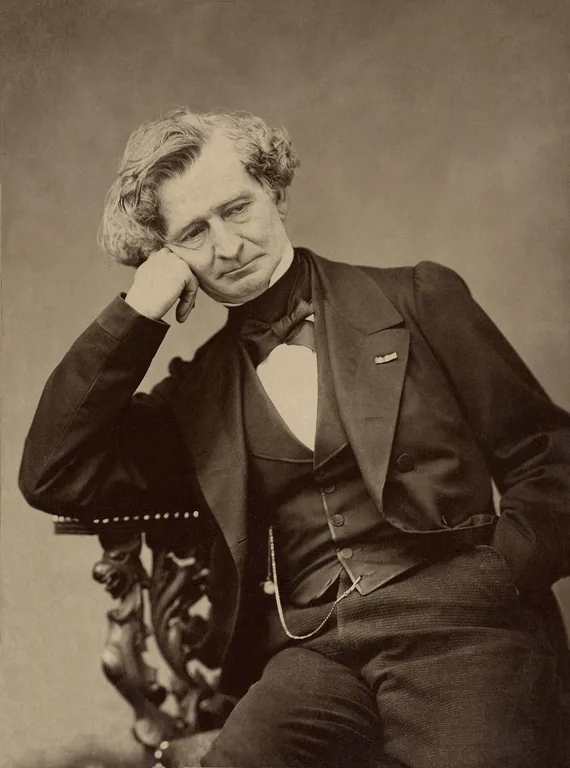
More Books by This Author
6 picks
 A travers chants: études musicales, adorations, boutades et critiques
by Hector Berlioz
A travers chants: études musicales, adorations, boutades et critiques
by Hector Berlioz
 Correspondance inédite de Hector Berlioz, 1819-1868
by Hector Berlioz
Correspondance inédite de Hector Berlioz, 1819-1868
by Hector Berlioz
 Les grotesques de la musique
by Hector Berlioz
Les grotesques de la musique
by Hector Berlioz
 Les musiciens et la musique
by Hector Berlioz
Les musiciens et la musique
by Hector Berlioz
 Les soirées de l'orchestre
by Hector Berlioz
Les soirées de l'orchestre
by Hector Berlioz
 Lettres intimes
by Hector Berlioz
Lettres intimes
by Hector Berlioz
You May Also Like
6 picks
 The Lost Pibroch, and other Sheiling Stories
by Neil Munro
The Lost Pibroch, and other Sheiling Stories
by Neil Munro
 The Art of Ballet
by Mark Edward Perugini
The Art of Ballet
by Mark Edward Perugini
 Robt. Schumann : The Story of the Boy Who Made Pictures in Music
by Thomas Tapper
Robt. Schumann : The Story of the Boy Who Made Pictures in Music
by Thomas Tapper
 Woman's Work in Music
by Arthur Elson
Woman's Work in Music
by Arthur Elson
 The Life of Johannes Brahms (Vol 2 of 2)
by Florence May
The Life of Johannes Brahms (Vol 2 of 2)
by Florence May
 Great opera stories
by Millicent Schwab Bender
Great opera stories
by Millicent Schwab Bender