
La cocarde rouge
About This Book
The narrative follows an aristocratic young man whose return to his family estate coincides with mounting revolutionary agitation, forcing him to confront competing loyalties between traditional privilege and calls for reform. Social rituals, courtly rivalries, and a tentative courtship intersect with political maneuvers such as formal protests, assemblies, and local insurrections. Encounters with agitators, duels, and episodes of mob violence propel characters through journeys between provincial towns, strained alliances, and personal crises. The account traces shifting sympathies, moral dilemmas, and the effects of public upheaval on private honor and intimate relationships.
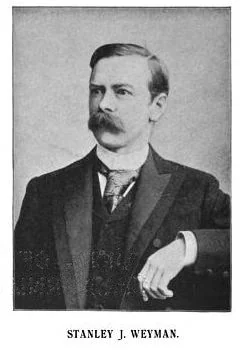
About the Author
More Books by This Author
6 picks
 "Susi": Historiallinen romaani Perttuliyön ajalta
by Stanley John Weyman
"Susi": Historiallinen romaani Perttuliyön ajalta
by Stanley John Weyman
 A Gentleman of France: Being the Memoirs of Gaston de Bonne Sieur de Marsac
by Stanley John Weyman
A Gentleman of France: Being the Memoirs of Gaston de Bonne Sieur de Marsac
by Stanley John Weyman
 A Little Wizard
by Stanley John Weyman
A Little Wizard
by Stanley John Weyman
 Chippinge Borough
by Stanley John Weyman
Chippinge Borough
by Stanley John Weyman
 Count Hannibal: A Romance of the Court of France
by Stanley John Weyman
Count Hannibal: A Romance of the Court of France
by Stanley John Weyman
 For the Cause
by Stanley John Weyman
For the Cause
by Stanley John Weyman