About This Book
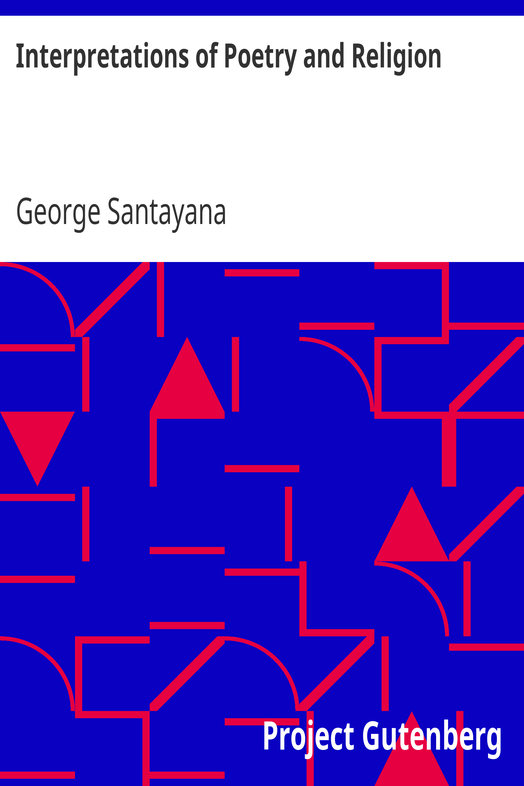
A series of essays argues that poetry and religion share an essential imaginative function, differing mainly in whether their images are applied to practical life or remain ideal. The author contends that treating religious symbols as factual corrupts their moral and aesthetic role, while reducing them to mere abstraction impoverishes their imaginative power. He defends the moral necessity of the poetic imagination, criticizes positivist and literalist approaches, and insists that facts gain significance only when transmuted into humane ideals. Close readings of classical and modern literature and myth—from ancient hymns and pagan dissolution to Christian dogma, Platonic love, Shakespearean sensibility, Emerson, and the elements of poetry—illustrate how imaginative interpretation animates moral and religious life.
About the Author
More Books by This Author
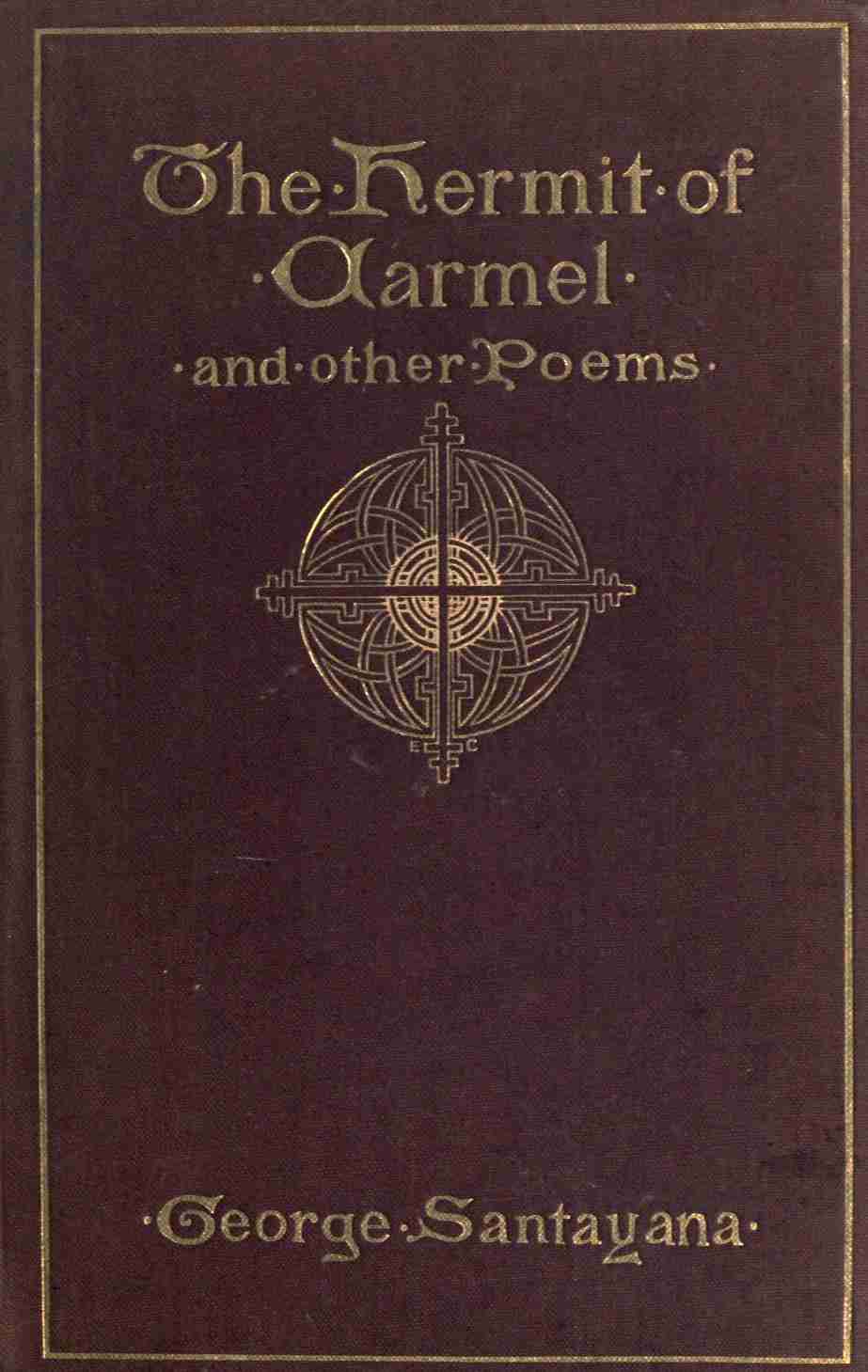 A Hermit of Carmel, and Other Poems
by George Santayana
A Hermit of Carmel, and Other Poems
by George Santayana
 Character and Opinion in the United States / With Reminiscences of William James and Josiah Royce and Academic Life in America
by George Santayana
Character and Opinion in the United States / With Reminiscences of William James and Josiah Royce and Academic Life in America
by George Santayana
 Egotism in German Philosophy
by George Santayana
Egotism in German Philosophy
by George Santayana
 Poems
by George Santayana
Poems
by George Santayana
 Scepticism and animal faith
by George Santayana
Scepticism and animal faith
by George Santayana
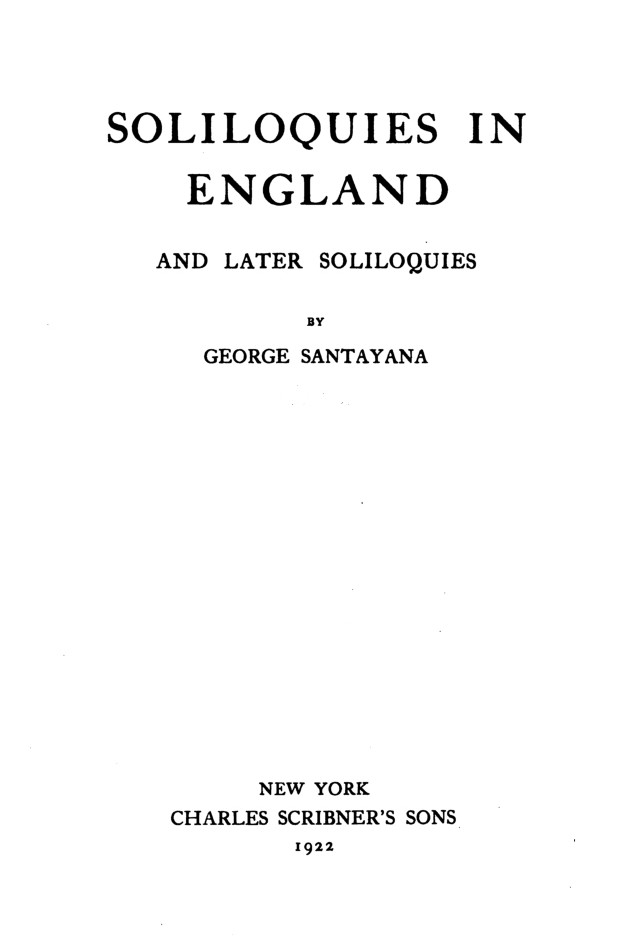 Soliloquies in England, and Later Soliloquies
by George Santayana
Soliloquies in England, and Later Soliloquies
by George Santayana
You May Also Like
 La mirabile visione: Abbozzo d'una storia della Divina Comedia
by Giovanni Pascoli
La mirabile visione: Abbozzo d'una storia della Divina Comedia
by Giovanni Pascoli
 Chats in the Book-Room
by Horace N. Pym
Chats in the Book-Room
by Horace N. Pym
 Modern Skepticism: A Journey Through the Land of Doubt and Back Again / A Life Story
by Joseph Barker
Modern Skepticism: A Journey Through the Land of Doubt and Back Again / A Life Story
by Joseph Barker
 Art Principles with Special Reference to Painting / Together with Notes on the Illusions Produced by the Painter
by Ernest Govett
Art Principles with Special Reference to Painting / Together with Notes on the Illusions Produced by the Painter
by Ernest Govett
 An Essay on Colophons, with Specimens and Translations
by Alfred W. Pollard
An Essay on Colophons, with Specimens and Translations
by Alfred W. Pollard
 A Body of Divinity, Vol. 2 (of 4) / Wherein the doctrines of the Christian religion are explained and defended, being the substance of several lectures on the Assembly's Larger Catechism
by Thomas Ridgley
A Body of Divinity, Vol. 2 (of 4) / Wherein the doctrines of the Christian religion are explained and defended, being the substance of several lectures on the Assembly's Larger Catechism
by Thomas Ridgley