
About This Book
A critical study traces a distinctive German philosophical current that privileges subjective selfhood and the will, arguing that transcendental methods and a Protestant intellectual heritage foster a persistent egotism in metaphysical thought. It surveys the development of that tendency through key thinkers, notes its manifestations in ethics and the idea of a superior will, and examines its rupture with Christian moral frameworks. The author critiques the tendency to glorify inwardness as intellectually and practically pernicious, warns that such self-centered metaphysics can encourage aggressive cultural or political attitudes, and urges clearer, less egotistical modes of reflection.
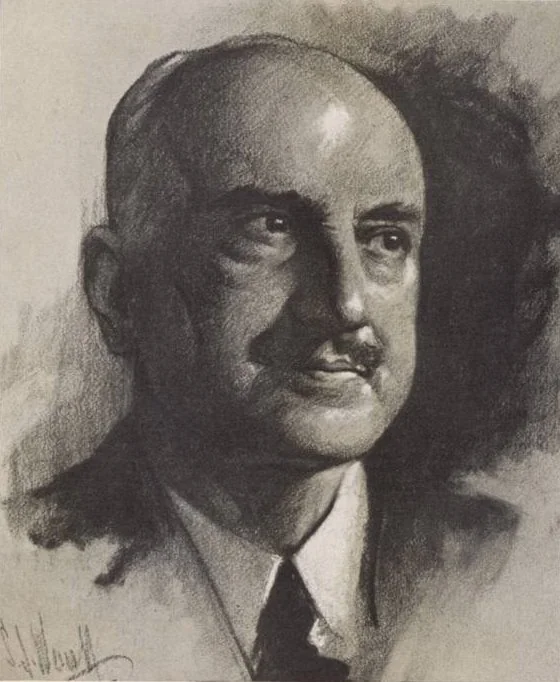
About the Author
More Books by This Author
6 picks
 A Hermit of Carmel, and Other Poems
by George Santayana
A Hermit of Carmel, and Other Poems
by George Santayana
 Character and Opinion in the United States / With Reminiscences of William James and Josiah Royce and Academic Life in America
by George Santayana
Character and Opinion in the United States / With Reminiscences of William James and Josiah Royce and Academic Life in America
by George Santayana
 Interpretations of Poetry and Religion
by George Santayana
Interpretations of Poetry and Religion
by George Santayana
 Poems
by George Santayana
Poems
by George Santayana
 Scepticism and animal faith
by George Santayana
Scepticism and animal faith
by George Santayana
 Soliloquies in England, and Later Soliloquies
by George Santayana
Soliloquies in England, and Later Soliloquies
by George Santayana
You May Also Like
6 picks
 Death and resurrection from the point of view of the cell-theory
by Gustaf Björklund
Death and resurrection from the point of view of the cell-theory
by Gustaf Björklund
 The Road to the Open
by Arthur Schnitzler
The Road to the Open
by Arthur Schnitzler
 All Things are Possible
by Lev Shestov
All Things are Possible
by Lev Shestov
![Two Dyaloges (c. 1549) / Wrytten in laten by the famous clerke, D. Erasm[us] of Roterodame, one called Polyphemus or the gospeller, the other dysposyng of thynges and names, translated in to Englyshe by Edmonde Becke. cover](/books/content/14500/OEBPS/2505839255930553770_titlepage.jpg) Two Dyaloges (c. 1549) / Wrytten in laten by the famous clerke, D. Erasm[us] of Roterodame, one called Polyphemus or the gospeller, the other dysposyng of thynges and names, translated in to Englyshe by Edmonde Becke.
by Desiderius Erasmus
Two Dyaloges (c. 1549) / Wrytten in laten by the famous clerke, D. Erasm[us] of Roterodame, one called Polyphemus or the gospeller, the other dysposyng of thynges and names, translated in to Englyshe by Edmonde Becke.
by Desiderius Erasmus
 Νόμοι και Επινομίς, Τόμος Γ
by Plato
Νόμοι και Επινομίς, Τόμος Γ
by Plato
 L'Anticléricalisme
by Émile Faguet
L'Anticléricalisme
by Émile Faguet