
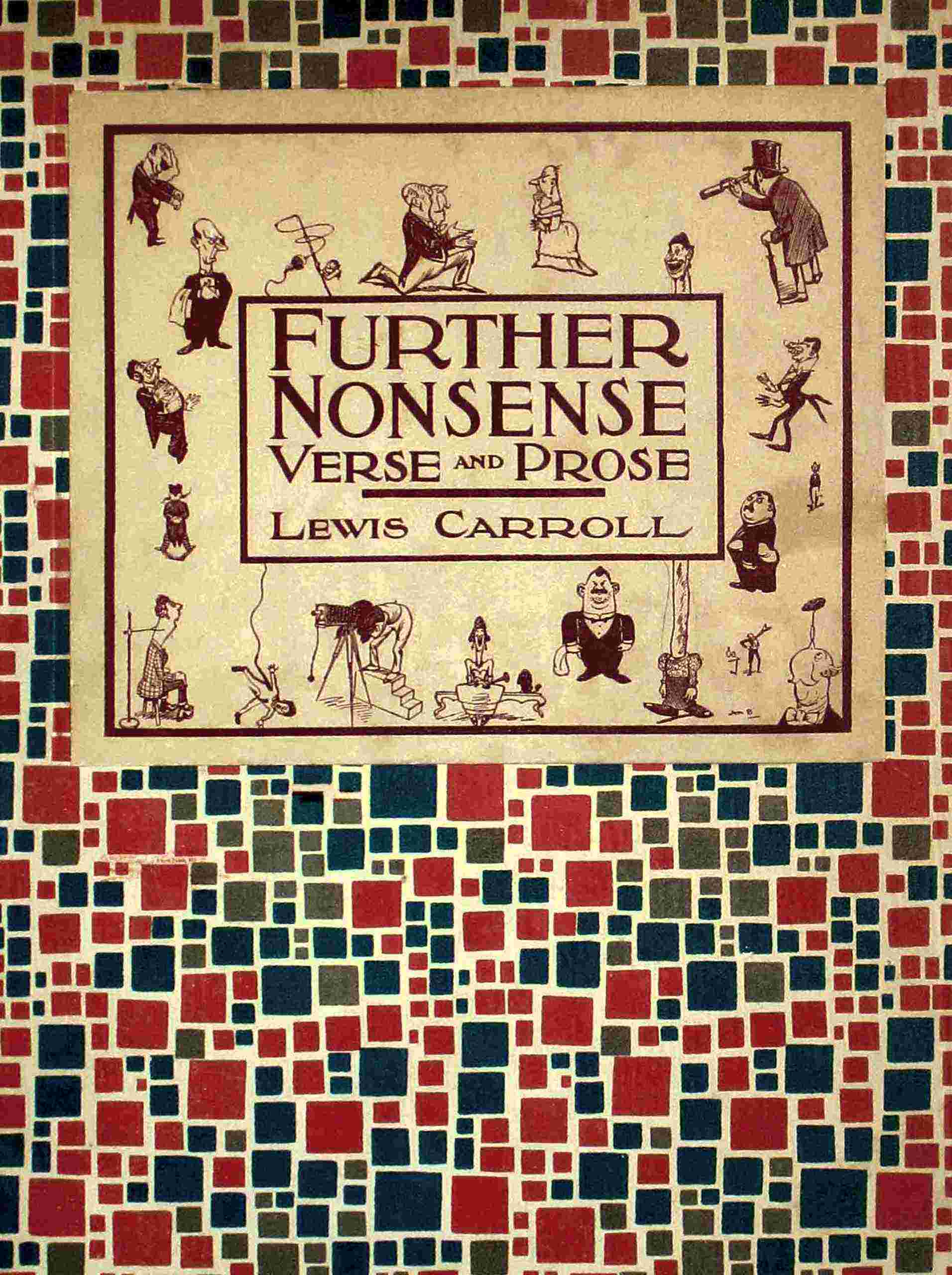
Further nonsense verse and prose
About This Book
A varied collection of short pieces that mixes nonsense verse, limericks, parodies, acrostics, playful correspondence, and brief comic prose. Poems range from brisk, absurd ditties to more measured, mildly melancholic lyrics, while prose items include mock-serious essays on manners, whimsical imaginings, and light mathematical or logical pastiches. The pieces rely on inventive wordplay, paradox, and satire of social convention, shifting between ear-catching rhythms and conversational wit. Arranged as a miscellany, the work emphasizes formal experimentation and a childlike playfulness tempered by occasional gentle reflection.
About the Author
More Books by This Author
6 picks
 A Tangled Tale
by Lewis Carroll
A Tangled Tale
by Lewis Carroll
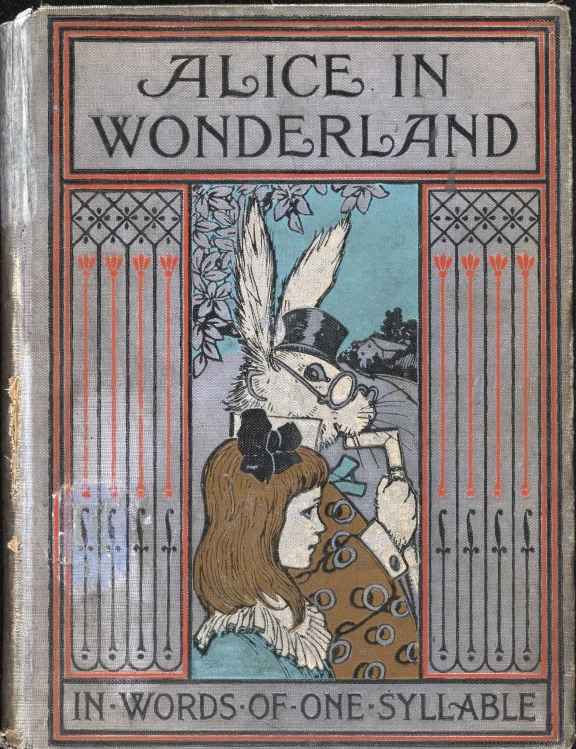 Alice in Wonderland, Retold in Words of One Syllable
by Lewis Carroll
Alice in Wonderland, Retold in Words of One Syllable
by Lewis Carroll
 Alice's Abenteuer im Wunderland
by Lewis Carroll
Alice's Abenteuer im Wunderland
by Lewis Carroll
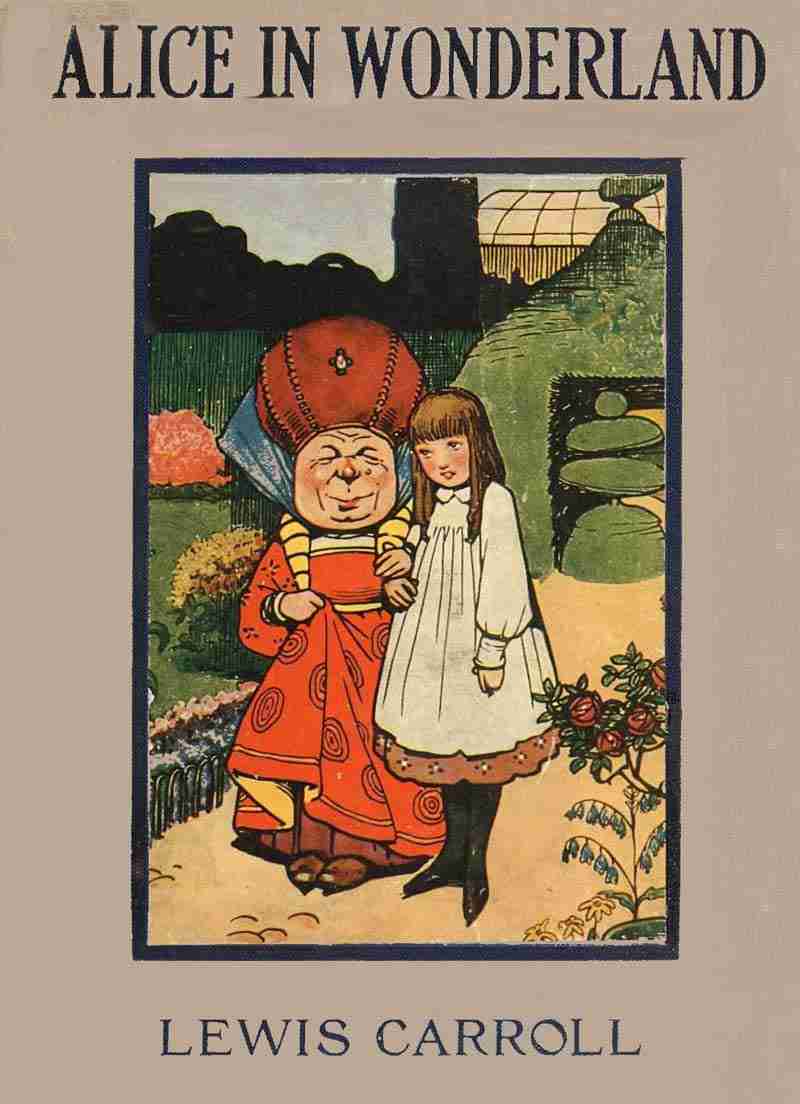 Alice's Adventures in Wonderland
by Lewis Carroll
Alice's Adventures in Wonderland
by Lewis Carroll
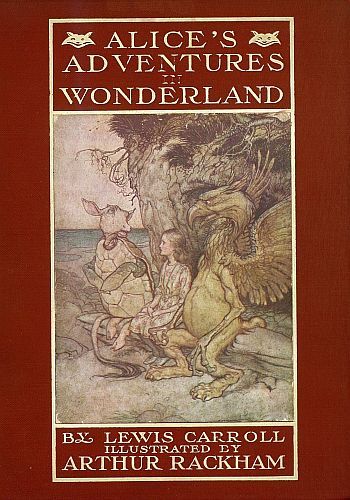 Alice's Adventures in Wonderland / Illustrated by Arthur Rackham. With a Proem by Austin Dobson
by Lewis Carroll
Alice's Adventures in Wonderland / Illustrated by Arthur Rackham. With a Proem by Austin Dobson
by Lewis Carroll
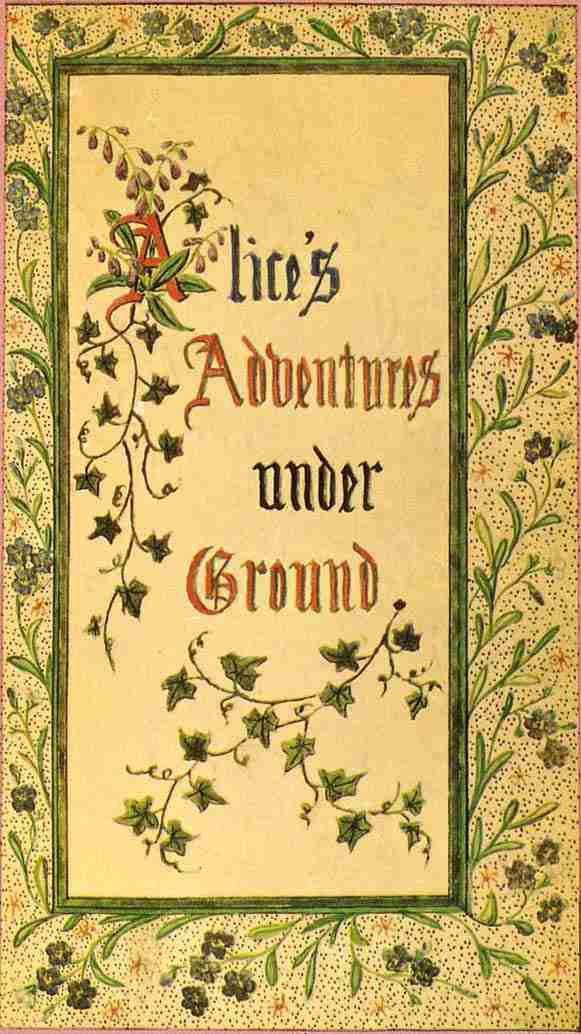 Alice's Adventures Under Ground / Being a facsimile of the original Ms. book afterwards developed into "Alice's Adventures in Wonderland"
by Lewis Carroll
Alice's Adventures Under Ground / Being a facsimile of the original Ms. book afterwards developed into "Alice's Adventures in Wonderland"
by Lewis Carroll