
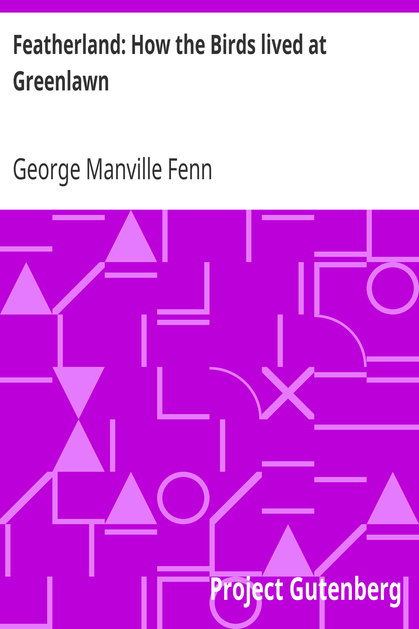
About This Book
The narrative follows the comings and goings of a lively bird community in a garden as spring arrives, depicting their breakfasts, courtships, nest-building, quarrels, and humorous misunderstandings. It mixes close natural observation with anthropomorphic detail, describing weather and seasonal change, the stirring of insects and mammals, and the sun and mist contesting the morning. Individual episodes focus on particular birds—such as a grumpy blackbird, a thrush, and courting robins—while broader scenes show communal feasting and domestic concerns. The book is structured as a series of short, whimsical vignettes that blend gentle humor with descriptive natural history.
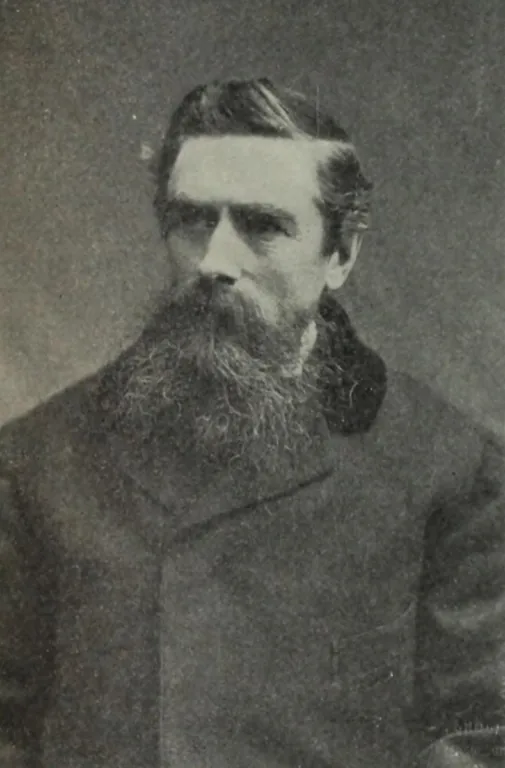
About the Author
More Books by This Author
6 picks






You May Also Like
6 picks
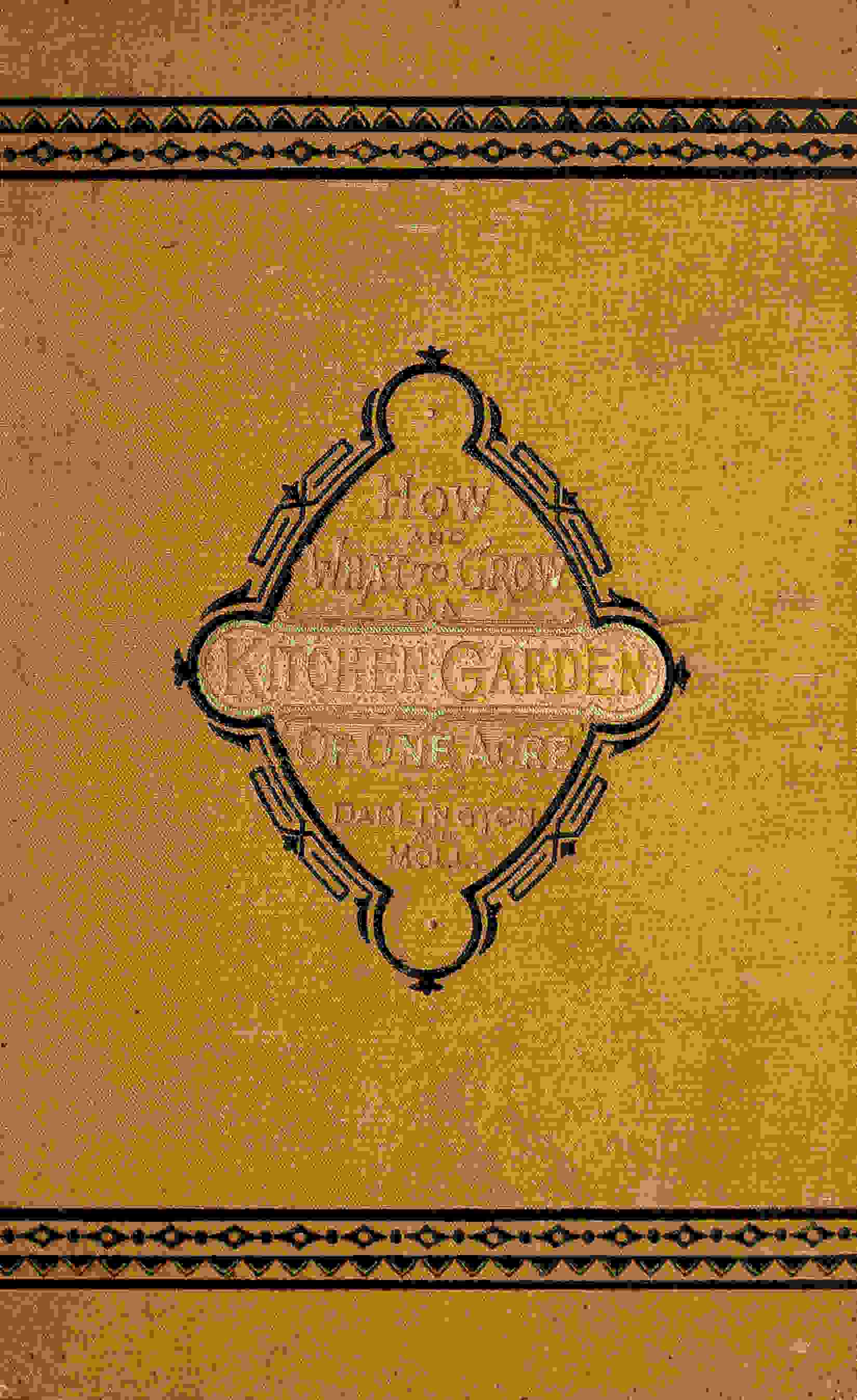 How and what to grow in a kitchen garden of one acre
by E. D. Darlington
How and what to grow in a kitchen garden of one acre
by E. D. Darlington
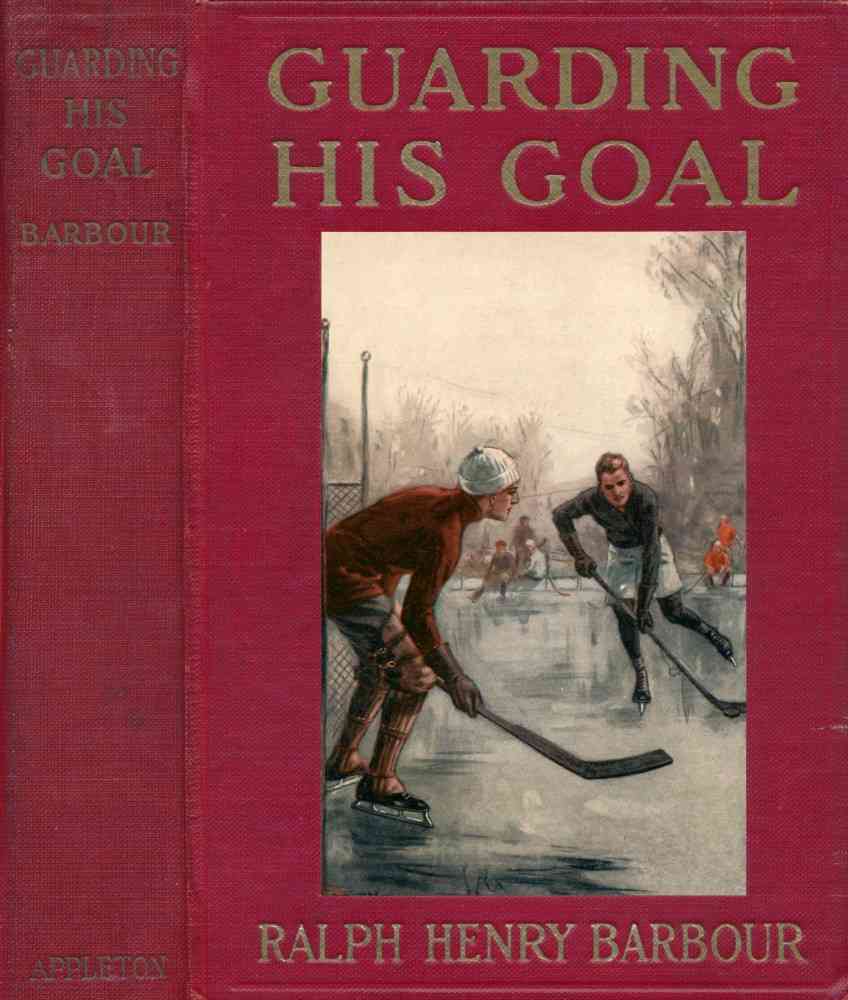 Guarding His Goal
by Ralph Henry Barbour
Guarding His Goal
by Ralph Henry Barbour
 A Primary Reader: Old-time Stories, Fairy Tales and Myths Retold by Children
by E. Louise Smythe
A Primary Reader: Old-time Stories, Fairy Tales and Myths Retold by Children
by E. Louise Smythe
 Theatrical and Circus Life / or, Secrets of the Stage, Green-Room and Sawdust Arena
by John J. Jennings
Theatrical and Circus Life / or, Secrets of the Stage, Green-Room and Sawdust Arena
by John J. Jennings
 Cowboy Life on the Sidetrack / Being an Extremely Humorous & Sarcastic Story of the Trials & Tribulations Endured by a Party of Stockmen Making a Shipment from the West to the East.
by Frank Benton
Cowboy Life on the Sidetrack / Being an Extremely Humorous & Sarcastic Story of the Trials & Tribulations Endured by a Party of Stockmen Making a Shipment from the West to the East.
by Frank Benton
 Round About a Great Estate
by Richard Jefferies
Round About a Great Estate
by Richard Jefferies