

About This Book
The narrative follows Jared Pellet, a struggling pianoforte tuner who runs a crowded household in a narrow London street and is contrasted with his prosperous brother, Richard, who regards him as a fool. Domestic scenes focus on Jared’s industrious home—his wife, many children, and his devoted daughter Patty—detailing the cramped rooms, workshop tasks, and small storefront. Episodes move between repair work and neighborhood life, showing practical resourcefulness, modest ambitions, and the daily pressures of poverty alongside moments of affection. Themes include class disparity, everyday resilience, and the moral value found in ordinary domestic routine.
About the Author
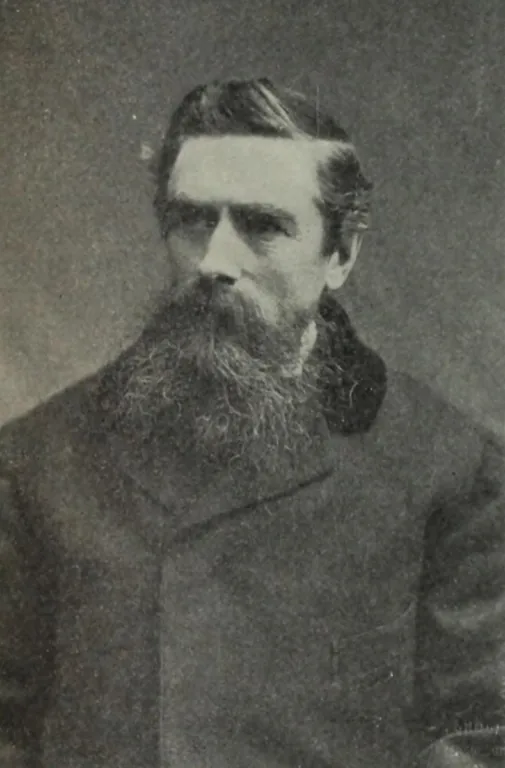
More Books by This Author
6 picks






You May Also Like
6 picks
 Dwell Deep; or, Hilda Thorn's Life Story
by Amy Le Feuvre
Dwell Deep; or, Hilda Thorn's Life Story
by Amy Le Feuvre
 The Greatest Plague of Life: or, the Adventures of a Lady in Search of a Good Servant.
by Augustus Mayhew
The Greatest Plague of Life: or, the Adventures of a Lady in Search of a Good Servant.
by Augustus Mayhew
 The Vanishing Man: A Detective Romance
by R. Austin Freeman
The Vanishing Man: A Detective Romance
by R. Austin Freeman
 Posthumous Works of the Author of A Vindication of the Rights of Woman
by Mary Wollstonecraft
Posthumous Works of the Author of A Vindication of the Rights of Woman
by Mary Wollstonecraft
 The Ivory Gate, a new edition
by Walter Besant
The Ivory Gate, a new edition
by Walter Besant
 Black Beauty
by Anna Sewell
Black Beauty
by Anna Sewell