
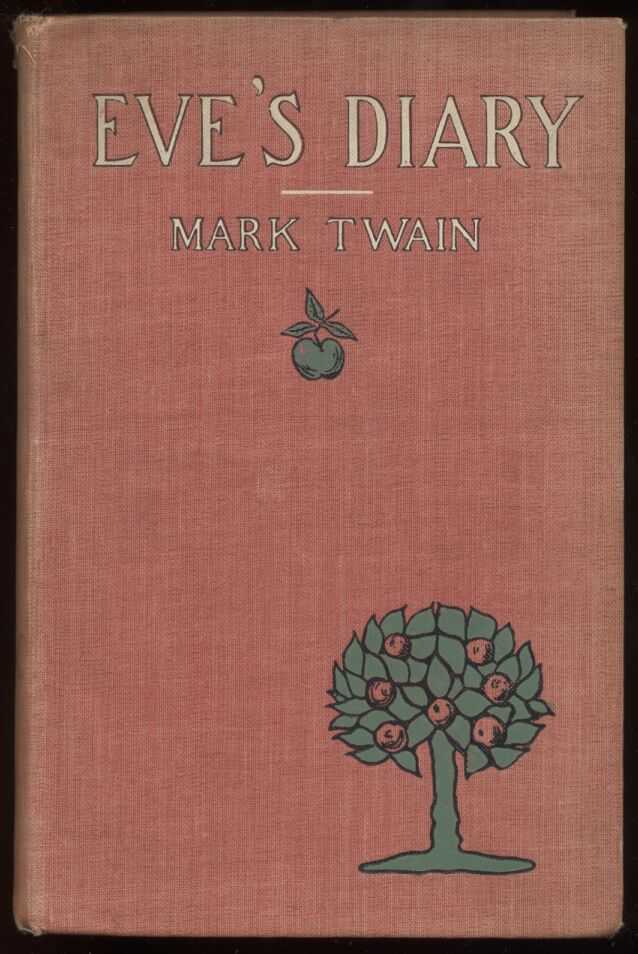
Eve's Diary, Part 2
First-person diary entries follow a young woman's daily observations as she tends an estate, seeks companionship from a taciturn man, and delights in the natural world. She invents names and maxims, experiments with new phenomena, and discovers fire, watching its beauty and danger while weighing usefulness against aesthetic pleasure. The narrator records moments of joy, loneliness, curiosity, and the unsettling new sensation of fear, alternating intimate introspection with playful descriptions of flowers, reflections, and small inventions, producing a blend of gentle humor, moral wondering, and sincere emotional insight.
About This Book
First-person diary entries follow a young woman's daily observations as she tends an estate, seeks companionship from a taciturn man, and delights in the natural world. She invents names and maxims, experiments with new phenomena, and discovers fire, watching its beauty and danger while weighing usefulness against aesthetic pleasure. The narrator records moments of joy, loneliness, curiosity, and the unsettling new sensation of fear, alternating intimate introspection with playful descriptions of flowers, reflections, and small inventions, producing a blend of gentle humor, moral wondering, and sincere emotional insight.
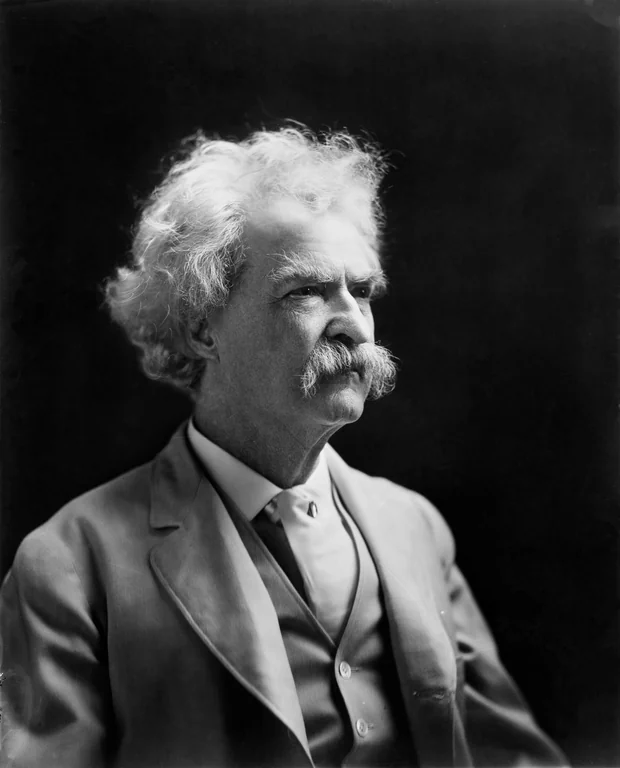
About the Author
More Books by This Author
 1601: Conversation as it was by the Social Fireside in the Time of the Tudors
by Mark Twain
1601: Conversation as it was by the Social Fireside in the Time of the Tudors
by Mark Twain
 A Connecticut Yankee in King Arthur's Court
by Mark Twain
A Connecticut Yankee in King Arthur's Court
by Mark Twain
 A Connecticut Yankee in King Arthur's Court, Part 1.
by Mark Twain
A Connecticut Yankee in King Arthur's Court, Part 1.
by Mark Twain
 A Connecticut Yankee in King Arthur's Court, Part 2.
by Mark Twain
A Connecticut Yankee in King Arthur's Court, Part 2.
by Mark Twain
 A Connecticut Yankee in King Arthur's Court, Part 3.
by Mark Twain
A Connecticut Yankee in King Arthur's Court, Part 3.
by Mark Twain
 A Connecticut Yankee in King Arthur's Court, Part 4.
by Mark Twain
A Connecticut Yankee in King Arthur's Court, Part 4.
by Mark Twain
You May Also Like
 "... Mutta -- naivat tummaverisiä"
by Anita Loos
"... Mutta -- naivat tummaverisiä"
by Anita Loos
 "And That's How It Was, Officer"
by Ralph Sholto
"And That's How It Was, Officer"
by Ralph Sholto
 "Ask Mamma"; or, The Richest Commoner In England
by Robert Smith Surtees
"Ask Mamma"; or, The Richest Commoner In England
by Robert Smith Surtees
 "Bones": Being Further Adventures in Mr. Commissioner Sanders' Country
by Edgar Wallace
"Bones": Being Further Adventures in Mr. Commissioner Sanders' Country
by Edgar Wallace
 "Excelsior"
by Bret Harte
"Excelsior"
by Bret Harte
 "Gentlemen prefer blondes"
by Anita Loos
"Gentlemen prefer blondes"
by Anita Loos