
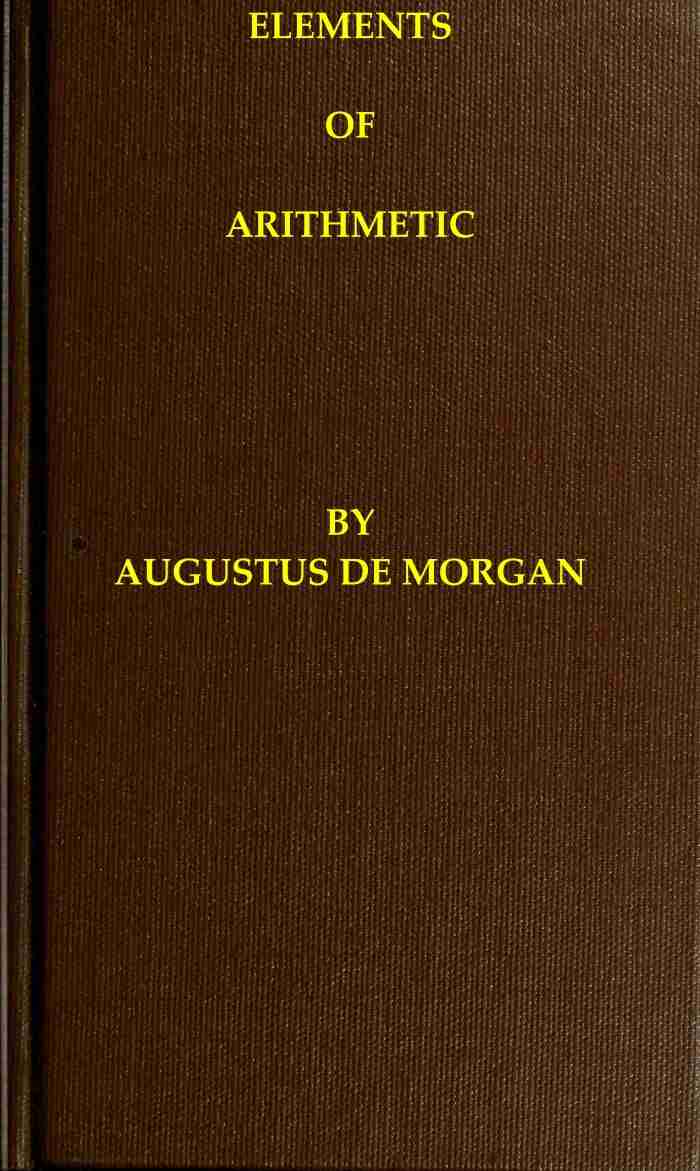
About This Book
The text presents a systematic introduction to arithmetic beginning with numeration and the principles behind counting, then develops operations—addition, subtraction, multiplication, division—followed by treatments of fractions, decimal fractions, square roots, proportion, and basic combinatorics. A second part applies arithmetic to weights and measures, practical rules of three, interest, and commerce. Multiple appendices supply computation techniques, verification methods, notation, decimal money, bookkeeping principles, number properties, combinations, Horner’s method, and tips for applying arithmetic to geometry. Emphasis is on reasoned demonstration and practical proficiency.
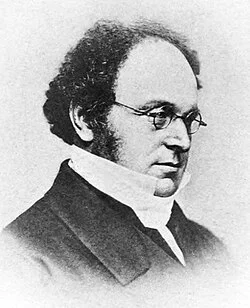
About the Author
More Books by This Author
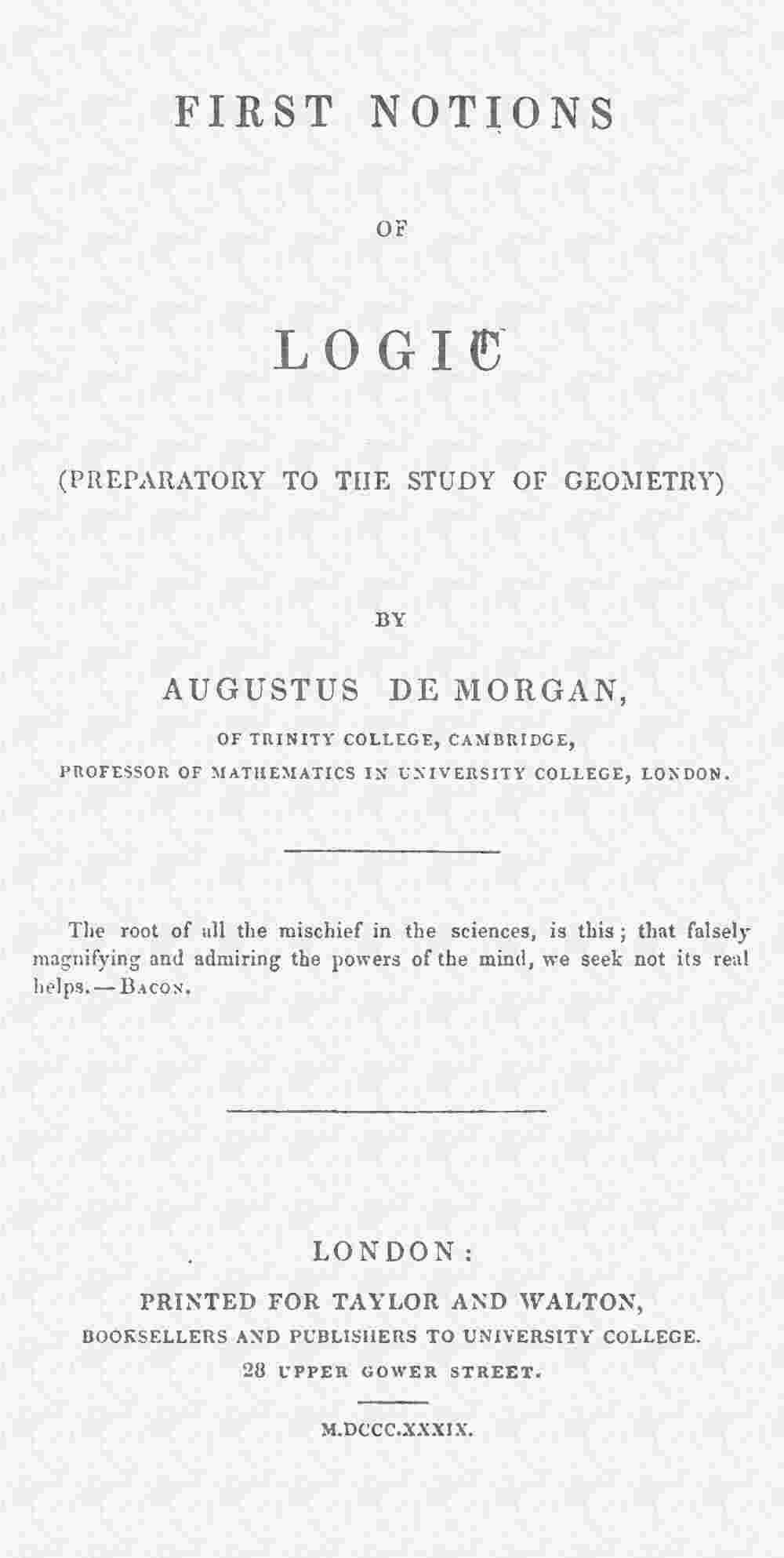
1 picks
You May Also Like
6 picks
 Word Study and English Grammar / A Primer of Information about Words, Their Relations and Their Uses
by Frederick W. Hamilton
Word Study and English Grammar / A Primer of Information about Words, Their Relations and Their Uses
by Frederick W. Hamilton
 Lecturas fáciles con ejercicios
by Lawrence A. Wilkins
Lecturas fáciles con ejercicios
by Lawrence A. Wilkins
 Semper der Jüngling
by Otto Ernst Schmidt
Semper der Jüngling
by Otto Ernst Schmidt
 Paul Appell: Biographie, Bibliographie Analytique des Écrits
by Ernest Lebon
Paul Appell: Biographie, Bibliographie Analytique des Écrits
by Ernest Lebon
 The Educational Writings of Richard Mulcaster
by Richard Mulcaster
The Educational Writings of Richard Mulcaster
by Richard Mulcaster
 A Bird's-Eye View of the Bible / Second Edition
by Frank Nelson Palmer
A Bird's-Eye View of the Bible / Second Edition
by Frank Nelson Palmer