
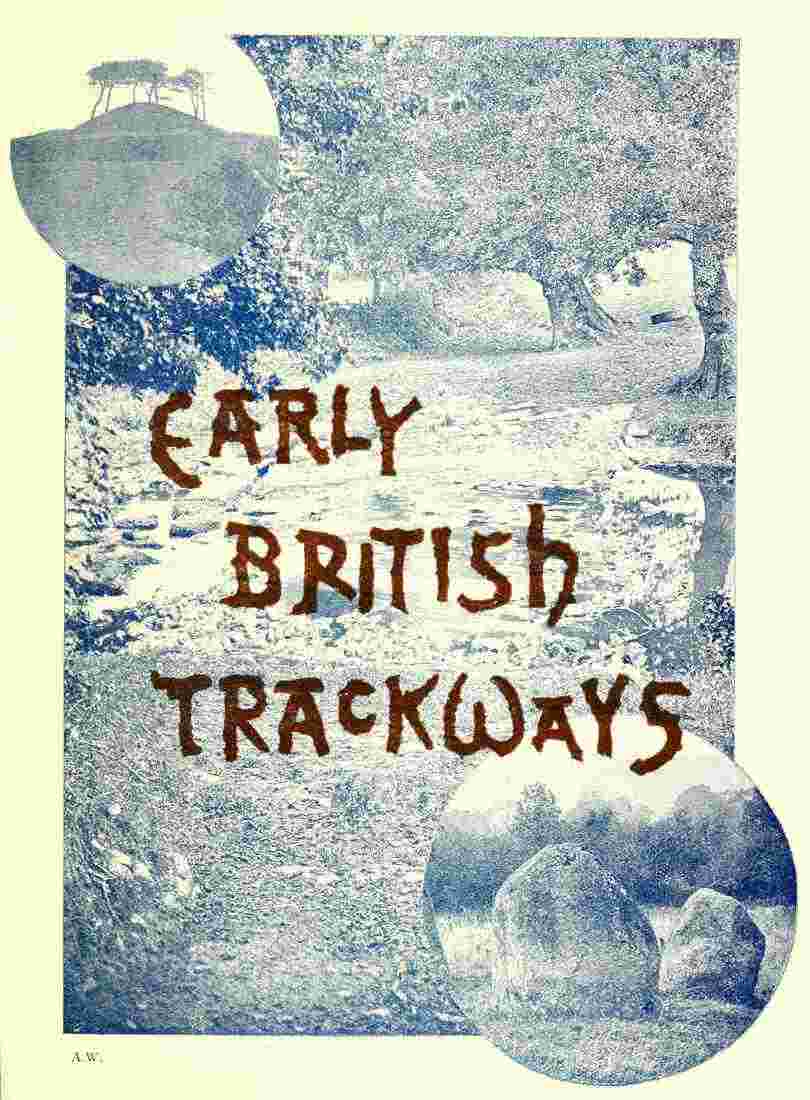
Early British trackways, moats, mounds, camps, and sites
Explore more books like this:
About This Book
The work proposes that prehistoric and early historic trackways were intentionally laid out as straight leys linking mounds, moats, camps, churches, castles and other landscape features. It outlines conclusions and supplies photographic and map-based proofs, illustrating sighting cuttings, causeways, mark-stones, and the transformation of stones into crosses while discussing the antiquity and individuality of these alignments. The text also examines trees, wells, Roman and traders’ roads, and place-name evidence, offers practical hints for field investigation, and presents numerous local examples, plates, and maps to demonstrate the survey and methods used.
About the Author

You May Also Like
6 picks
 The Men of the Merchant Service / Being the polity of the mercantile marine for 'longshore readers
by Frank Thomas Bullen
The Men of the Merchant Service / Being the polity of the mercantile marine for 'longshore readers
by Frank Thomas Bullen
 In the Days of Queen Elizabeth
by Eva March Tappan
In the Days of Queen Elizabeth
by Eva March Tappan
 Memoirs of Lady Fanshawe / Wife of Sir Richard Fanshawe, Bt., Ambassador from Charles II to the Courts of Portugal and Madrid.
by Ann Fanshawe
Memoirs of Lady Fanshawe / Wife of Sir Richard Fanshawe, Bt., Ambassador from Charles II to the Courts of Portugal and Madrid.
by Ann Fanshawe
 Chronicles of England, Scotland and Ireland (2 of 6): England (09 of 12) / Edward the First, Surnamed Longshanks, the Eldest Sonne of Henrie the Third
by Raphael Holinshed
Chronicles of England, Scotland and Ireland (2 of 6): England (09 of 12) / Edward the First, Surnamed Longshanks, the Eldest Sonne of Henrie the Third
by Raphael Holinshed
 Stonehenge and Other British Stone Monuments Astronomically Considered
by Sir Norman Lockyer
Stonehenge and Other British Stone Monuments Astronomically Considered
by Sir Norman Lockyer
 The Historical Growth of the English Parish Church
by A. Hamilton Thompson
The Historical Growth of the English Parish Church
by A. Hamilton Thompson