

About This Book
This study examines cases of homicidal acts committed by persons with mental illness, correlating types of delusion and states (persecution delusions, monomania, melancholic suicidal ideas, manic excitation, epileptic seizures, alcohol-related psychoses) with violent outcomes. It argues that the gravity of an assault often does not correspond to the apparent extent of intellectual disturbance and analyzes how intermittent crises, hallucinations, and sudden cerebral excitations can precipitate impulsive or prepared killings. Clinical and judicial examples illustrate differences between passive persecuted patients and those who become dangerous during acute exacerbations, with attention to conditions bearing on medico-legal responsibility.
About the Author

You May Also Like
6 picks
 The Hacker Crackdown: Law and Disorder on the Electronic Frontier
by Bruce Sterling
The Hacker Crackdown: Law and Disorder on the Electronic Frontier
by Bruce Sterling
 Practical Phrenology Simplified
by Theodore Foster
Practical Phrenology Simplified
by Theodore Foster
 Medical experts: Investigation of Insanity by Juries
by W. S. Thorne
Medical experts: Investigation of Insanity by Juries
by W. S. Thorne
 Anciennes loix des François, conservées dans les coutumes angloises, recueillies par Littleton, Vol. I
by Sir Thomas Littleton
Anciennes loix des François, conservées dans les coutumes angloises, recueillies par Littleton, Vol. I
by Sir Thomas Littleton
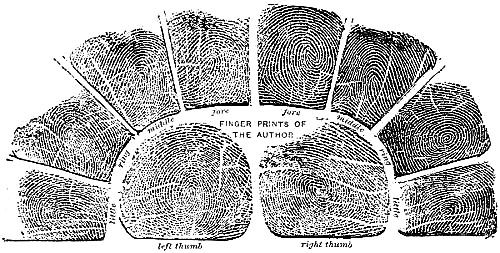 Finger prints
by Francis Galton
Finger prints
by Francis Galton
 The Origin of Finger-Printing
by William James Herschel
The Origin of Finger-Printing
by William James Herschel