
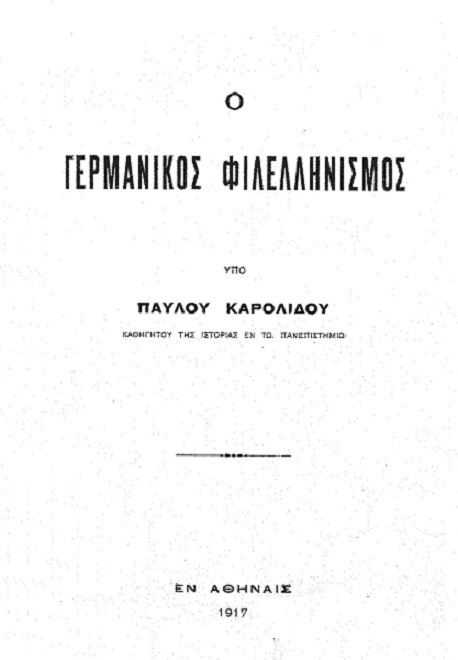
About This Book
A historical essay traces how German public enthusiasm and intellectual support for the Greek independence movement emerged as an early and distinct strand of European philhellenism, examines the contrast between popular sympathy and the actions of various governments, and analyzes the diplomatic and military interplay among Russia, Britain, France and Austria that shaped the conflict's outcome. It argues that popular moral force and volunteer aid combined with Russian political intervention to secure success, while other powers oscillated between obstruction and reluctant cooperation. The study assesses naval engagements and diplomatic maneuvers and stresses the ethical and national consequences of foreign involvement for the Greek cause.
About the Author

More Books by This Author
4 picks


You May Also Like
6 picks
 Ninon de l'Enclos and her century
by Mary C. Rowsell
Ninon de l'Enclos and her century
by Mary C. Rowsell
 The Diplomatists of Europe
by M. Capefigue
The Diplomatists of Europe
by M. Capefigue
 Chroniques de J. Froissart, tome 03/13
by Jean Froissart
Chroniques de J. Froissart, tome 03/13
by Jean Froissart
 Peace Theories and the Balkan War
by Norman Angell
Peace Theories and the Balkan War
by Norman Angell
 Insurrections et guerre des barricades dans les grandes villes / par le général de brigade Roguet
by comte Christophe-Michel Roguet
Insurrections et guerre des barricades dans les grandes villes / par le général de brigade Roguet
by comte Christophe-Michel Roguet
 Robert Helmont: Diary of a Recluse, 1870-1871
by Alphonse Daudet
Robert Helmont: Diary of a Recluse, 1870-1871
by Alphonse Daudet