About This Book
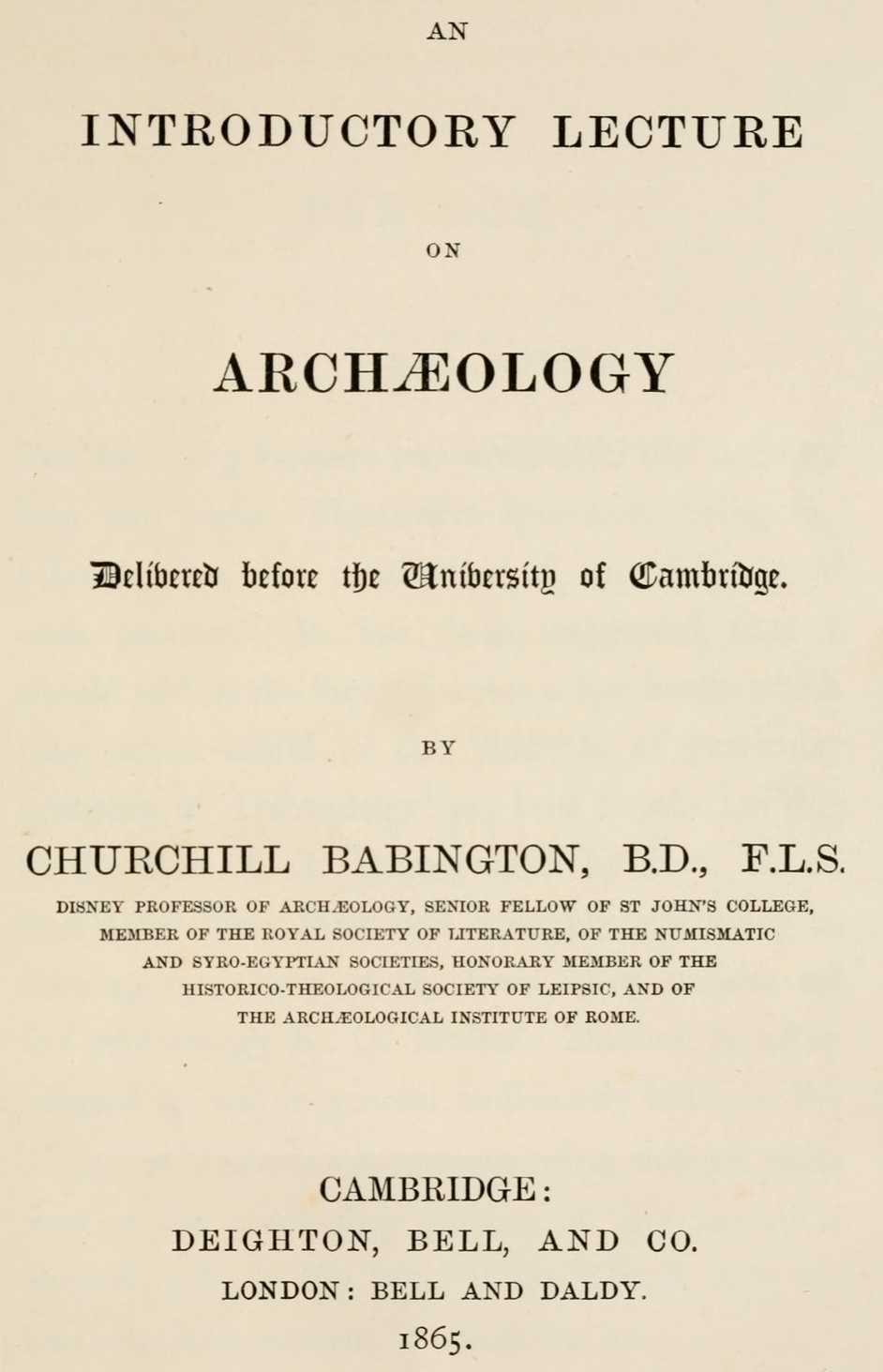
The author defines archaeology as the study of history through its contemporary monuments and outlines a broad field extending from primeval remains to classical and medieval survivals. He describes the range of material evidence—buildings, tombs, roads, coins, inscriptions, ceramics, metalwork, and everyday objects—and surveys surviving material from Near Eastern, Greek, Roman, Celtic, Byzantine, and medieval European contexts. He explains the professorship's comprehensive remit, outlines methods of collection, excavation, and epigraphic study, and lists desirable qualifications such as precise scholarship, knowledge of alphabets, an eye for art, and natural-history acquaintance, concluding with archaeology's pleasures and its mutual enrichment of literature and modern art.
About the Author

You May Also Like
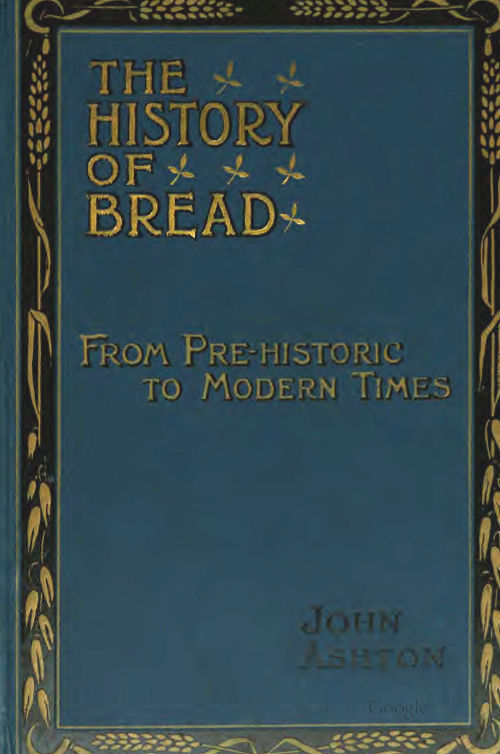 The History of Bread: From Pre-historic to Modern Times
by John Ashton
The History of Bread: From Pre-historic to Modern Times
by John Ashton
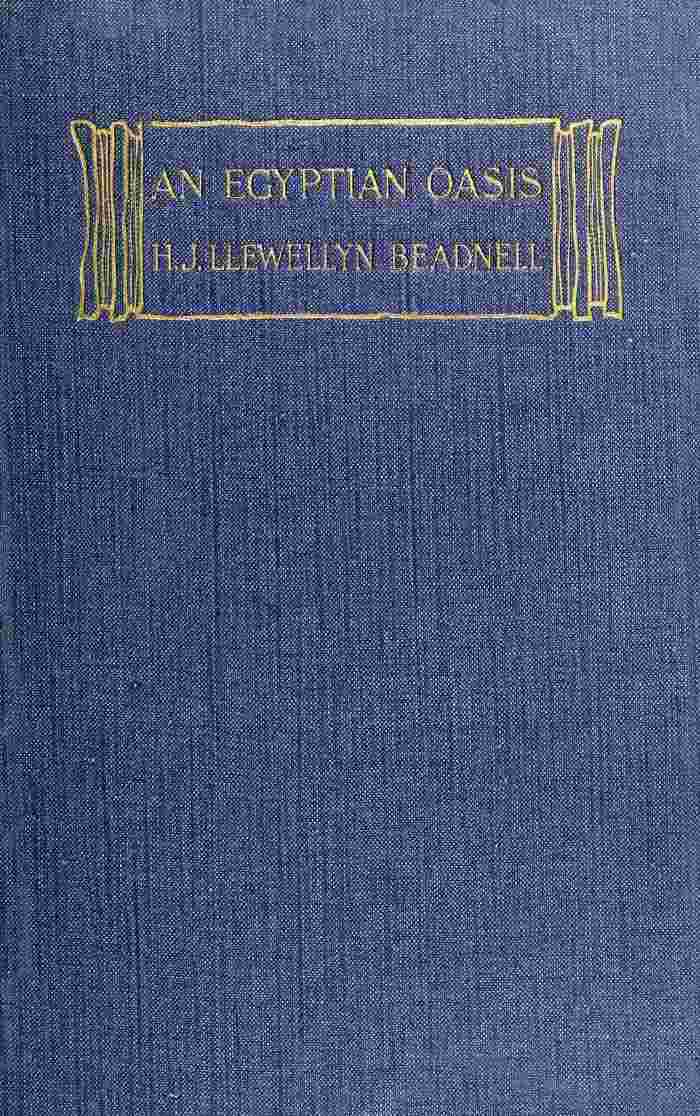 An Egyptian oasis
by H. J. L. Beadnell
An Egyptian oasis
by H. J. L. Beadnell
 The Sun Dance of the Blackfoot Indians
by Clark Wissler
The Sun Dance of the Blackfoot Indians
by Clark Wissler
 Sign Language Among North American Indians Compared With That Among Other Peoples And Deaf-Mutes / First Annual Report of the Bureau of Ethnology to the Secretary of the Smithsonian Institution, 1879-1880, Government Printing Office, Washington, 1881, pages 263-552
by Garrick Mallery
Sign Language Among North American Indians Compared With That Among Other Peoples And Deaf-Mutes / First Annual Report of the Bureau of Ethnology to the Secretary of the Smithsonian Institution, 1879-1880, Government Printing Office, Washington, 1881, pages 263-552
by Garrick Mallery
 The Key to the Family Deed Chest: How to Decipher and Study Old Documents / Being a Guide to the Reading of Ancient Manuscripts
by Emma Elizabeth Thoyts
The Key to the Family Deed Chest: How to Decipher and Study Old Documents / Being a Guide to the Reading of Ancient Manuscripts
by Emma Elizabeth Thoyts
 Het Eiland Vlieland en Zijne Bewoners
by Francis Allan
Het Eiland Vlieland en Zijne Bewoners
by Francis Allan