
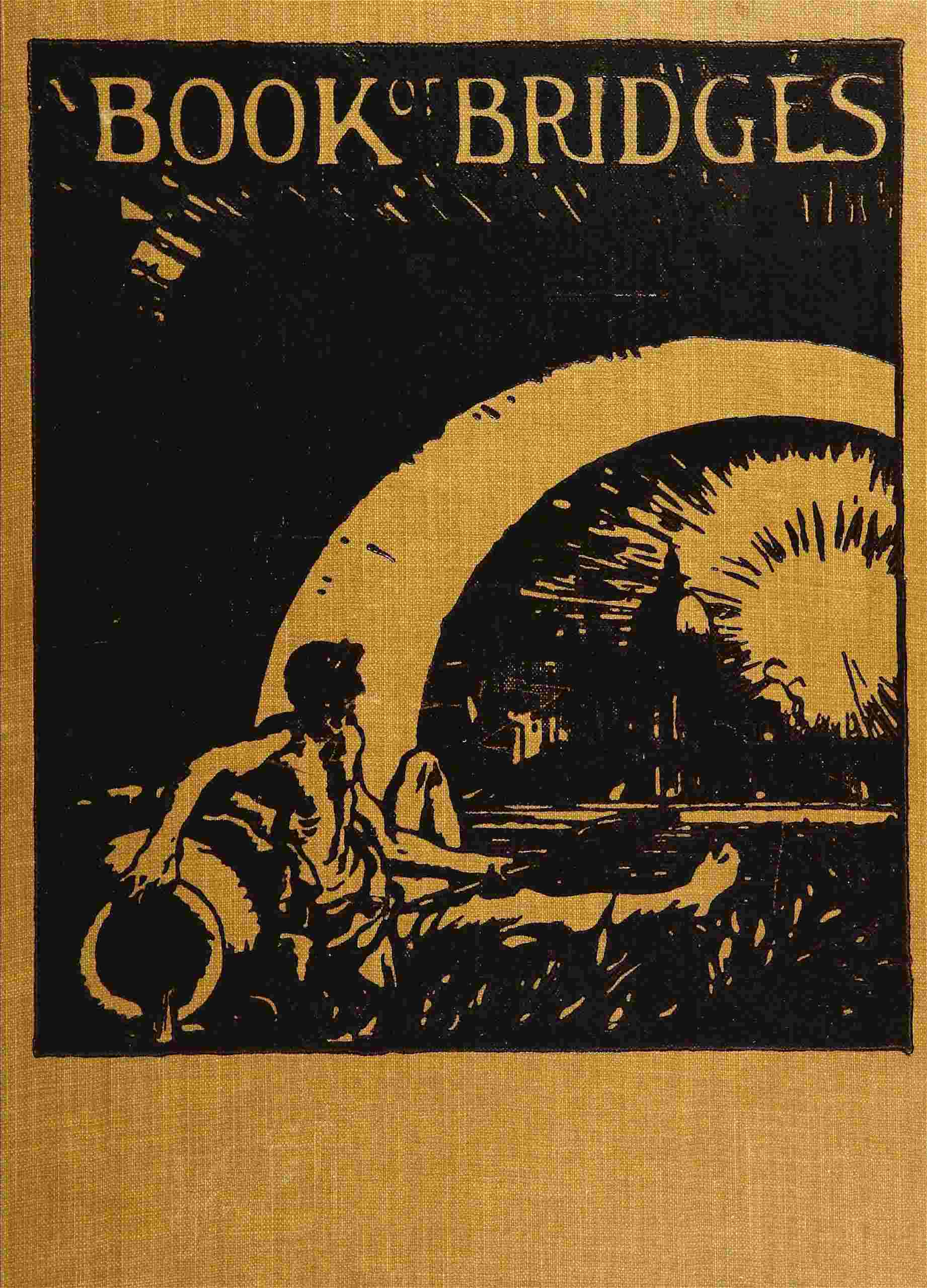
About This Book
This work offers a compact survey of bridges, mixing historical narrative, technical description, and visual illustration to chart their evolution from primitive timber crossings and natural-arch inspirations through Roman engineering, medieval fortified bridges, and later unfortified and Renaissance types. It examines regional varieties including Chinese gabled forms, discusses materials and construction methods, and highlights the relationship between bridges, roads, social needs, and military strategy. Organized into topical chapters and appendices, the text pairs analytical commentary with plates and drawings that depict notable structures and typologies across Europe and beyond.
About the Author

You May Also Like
6 picks
 Artificial Light: Its Influence upon Civilization
by Matthew Luckiesh
Artificial Light: Its Influence upon Civilization
by Matthew Luckiesh
 A Reading Book in Irish History
by P. W. Joyce
A Reading Book in Irish History
by P. W. Joyce
 Country Life in Canada Fifty Years Ago / Personal recollections and reminiscences of a sexagenarian
by Canniff Haight
Country Life in Canada Fifty Years Ago / Personal recollections and reminiscences of a sexagenarian
by Canniff Haight
 King's Cutters and Smugglers 1700-1855
by E. Keble Chatterton
King's Cutters and Smugglers 1700-1855
by E. Keble Chatterton
 The Best Portraits in Engraving
by Charles Sumner
The Best Portraits in Engraving
by Charles Sumner
 The Conquest of Canada, Vol. 2
by George Warburton
The Conquest of Canada, Vol. 2
by George Warburton