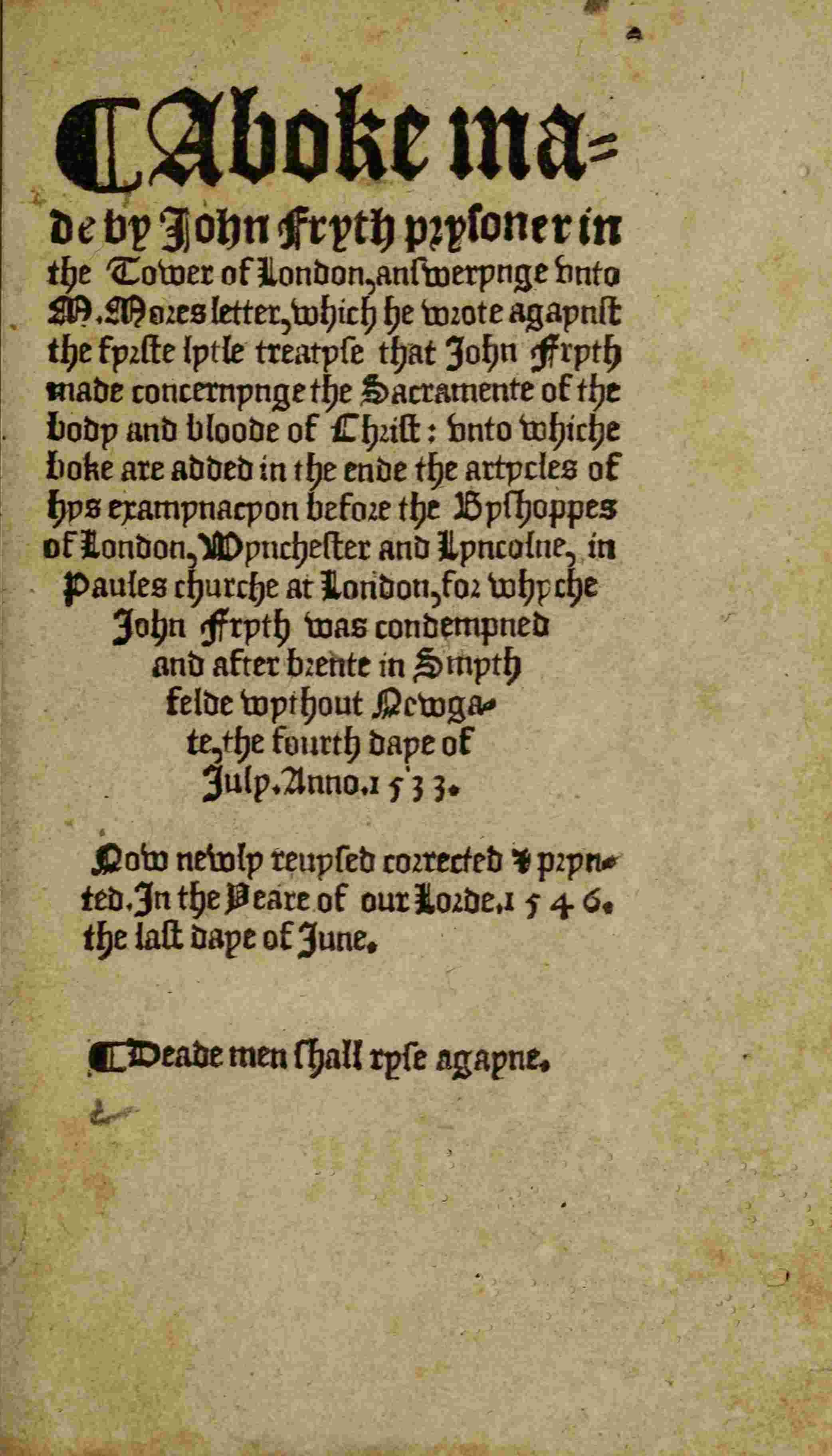
A boke made by John Fryth, prysoner in the Tower of London / answerynge unto M. Mores letter, which he wrote agaynst the fyrste lytle treatyse that John Fryth made, concernynge the sacramente of the body and bloude of Christ
Explore more books like this:
About This Book
The author, writing from imprisonment, replies to a critic's refutation of his earlier small treatise on the sacrament, defending that belief in the sacrament as Christ's natural body present in the bread and wine is not necessary for salvation. He argues for reading scriptural phrases non-literally when context warrants, distinguishes spiritual reception by faith from carnal eating, examines theological objections, and offers scriptural and patristic support. The volume concludes with records of the author's examination by bishops and the charges that led to his condemnation.
About the Author
You May Also Like
6 picks
 Heroes of Modern Europe
by Alice Birkhead
Heroes of Modern Europe
by Alice Birkhead
 George Borrow / A Sermon Preached in Norwich Cathedral on July 6, 1913
by H. C. Beeching
George Borrow / A Sermon Preached in Norwich Cathedral on July 6, 1913
by H. C. Beeching
 Entretien d'un père avec ses enfants
by Denis Diderot
Entretien d'un père avec ses enfants
by Denis Diderot
 Essays of Schopenhauer
by Arthur Schopenhauer
Essays of Schopenhauer
by Arthur Schopenhauer
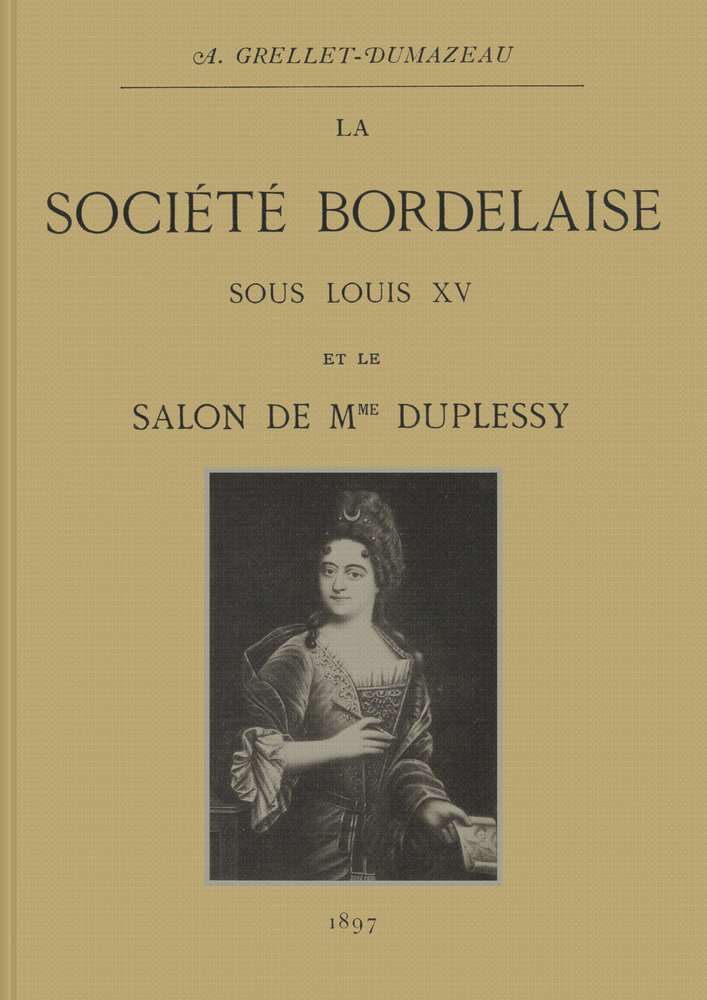 La société bordelaise sous Louis XV et le salon de Mme Duplessy
by André Grellet-Dumazeau
La société bordelaise sous Louis XV et le salon de Mme Duplessy
by André Grellet-Dumazeau
 The Great Controversy Between Christ and Satan
by Ellen Gould Harmon White
The Great Controversy Between Christ and Satan
by Ellen Gould Harmon White