
About This Book
A compact alphabetic lexicon records slang, cant, bawdy expressions, university and maritime jargon, thieves' cant, and other colloquialisms, offering concise definitions, contextual notes, and occasional humorous glosses. Entries range from single words to phrases and idioms, often indicating social setting or specialized usage. A prefatory note explains the aims and scope, and editorial additions expand or modernize vocabulary to reflect contemporary speech and subcultural registers.
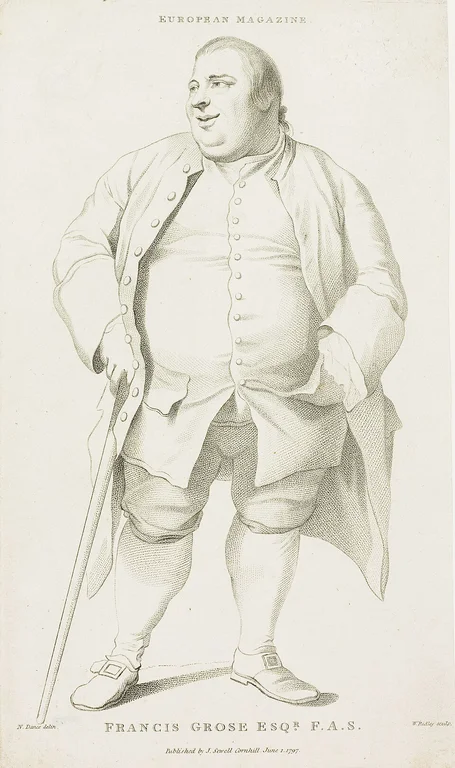
About the Author
You May Also Like
6 picks
 The Life and Work of William Tindale
by William Barrett Cooper
The Life and Work of William Tindale
by William Barrett Cooper
 Love affairs of the Courts of Europe
by Thornton Hall
Love affairs of the Courts of Europe
by Thornton Hall
 Observations grammaticales sur quelques articles du Dictionnaire du mauvais langage
by Guy-Marie Deplace
Observations grammaticales sur quelques articles du Dictionnaire du mauvais langage
by Guy-Marie Deplace
 Selections from the Table Talk of Martin Luther
by Martin Luther
Selections from the Table Talk of Martin Luther
by Martin Luther
 German Culture Past and Present
by Ernest Belfort Bax
German Culture Past and Present
by Ernest Belfort Bax
 Alphabetical Vocabularies of the Clallum and Lummi
by George Gibbs
Alphabetical Vocabularies of the Clallum and Lummi
by George Gibbs