

About This Book
The author urges American readers to reconsider the standing of Black citizens by surveying their historical position, wartime service, and economic contributions, especially as industrial workers and farm laborers. Chapters analyze lynching, educational efforts, and religious and philanthropic leadership exemplified by Joanna P. Moore, while critiquing common fallacies used to justify discrimination. Statistical and anecdotal evidence is used to document migration, labor patterns, and barriers posed by unions and segregation. The work closes by outlining potential progress, appealing for moral responsibility, and calling for fairer legal, educational, and social opportunities.
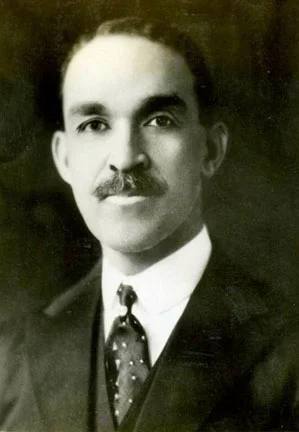
About the Author
More Books by This Author
3 picks
 A Social History of the American Negro / Being a History of the Negro Problem in the United States. Including A History and Study of the Republic of Liberia
by Benjamin Griffith Brawley
A Social History of the American Negro / Being a History of the Negro Problem in the United States. Including A History and Study of the Republic of Liberia
by Benjamin Griffith Brawley
 The Negro in Literature and Art in the United States
by Benjamin Griffith Brawley
The Negro in Literature and Art in the United States
by Benjamin Griffith Brawley
 Women of Achievement / Written for the Fireside Schools
by Benjamin Griffith Brawley
Women of Achievement / Written for the Fireside Schools
by Benjamin Griffith Brawley
You May Also Like
6 picks
 Plymouth memories of an octogenarian
by William T. Davis
Plymouth memories of an octogenarian
by William T. Davis
 A Discourse for the Time, delivered January 4, 1852 in the First Congregational Unitarian Church
by William Henry Furness
A Discourse for the Time, delivered January 4, 1852 in the First Congregational Unitarian Church
by William Henry Furness
 Old Ticonderoga, a Picture of the Past / (From: "The Snow Image and Other Twice-Told Tales")
by Nathaniel Hawthorne
Old Ticonderoga, a Picture of the Past / (From: "The Snow Image and Other Twice-Told Tales")
by Nathaniel Hawthorne
 The Stephens Family: A Genealogy of the Descendants of Joshua Stevens
by Bascom Asbury Cecil Stephens
The Stephens Family: A Genealogy of the Descendants of Joshua Stevens
by Bascom Asbury Cecil Stephens
 A Philadelphia Lawyer in the London Courts
by Thomas Leaming
A Philadelphia Lawyer in the London Courts
by Thomas Leaming
 Harriet, the Moses of Her People
by Sarah H. Bradford
Harriet, the Moses of Her People
by Sarah H. Bradford