

About This Book
The address argues that expanding higher education for young women brings intellectual, social, and practical benefits: colleges provide disciplined knowledge and deep study in particular fields while cultivating health, happiness, friendships, and habits of self-control. It urges specialized training that enables women to render expert, remunerated service rather than amateur pursuits, and it cautions that college best serves those prepared and eager for serious study rather than the indifferent or infirm. The speaker highlights colleges as centers of cultural resources and youthful stimulus where work becomes a form of play and where character, interests, and public-mindedness are strengthened alongside academic learning.
About the Author

You May Also Like
6 picks
 Scientific Essays and Lectures
by Charles Kingsley
Scientific Essays and Lectures
by Charles Kingsley
 Cabezas: Pensadores y Artistas, Políticos / Obras Completas Vol. XXII
by Rubén Darío
Cabezas: Pensadores y Artistas, Políticos / Obras Completas Vol. XXII
by Rubén Darío
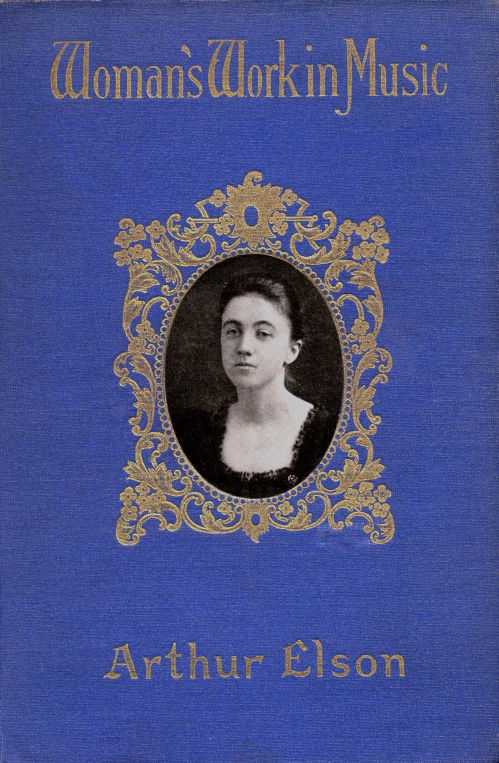 Woman's Work in Music
by Arthur Elson
Woman's Work in Music
by Arthur Elson
 The Puzzle of Dickens's Last Plot
by Andrew Lang
The Puzzle of Dickens's Last Plot
by Andrew Lang
 Working With the Working Woman
by Cornelia Stratton Parker
Working With the Working Woman
by Cornelia Stratton Parker
 The Double Garden
by Maurice Maeterlinck
The Double Garden
by Maurice Maeterlinck