
About This Book
The narrative follows a young girl whose parents' divorce and self-interested remarriages leave her shuffled among guardians and household retainers. Told largely from the child's limited but observant perspective, episodes of custody disputes, flirtations, and social maneuvering reveal adult selfishness and moral ambiguity. She learns to translate grown-up language and etiquette into practical survival, forming attachments to a few steady figures while absorbing lessons about power, affection, and social hypocrisy. The book charts her slow emotional education and the ambiguous effects of being raised by a succession of disappointed, performative adults.
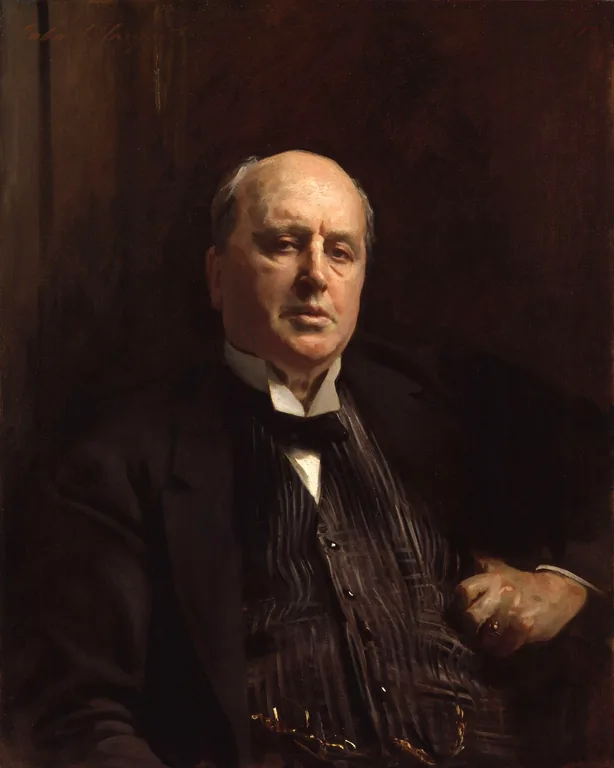
About the Author
More Books by This Author
6 picks




You May Also Like
6 picks
 Just David
by Eleanor H. Porter
Just David
by Eleanor H. Porter
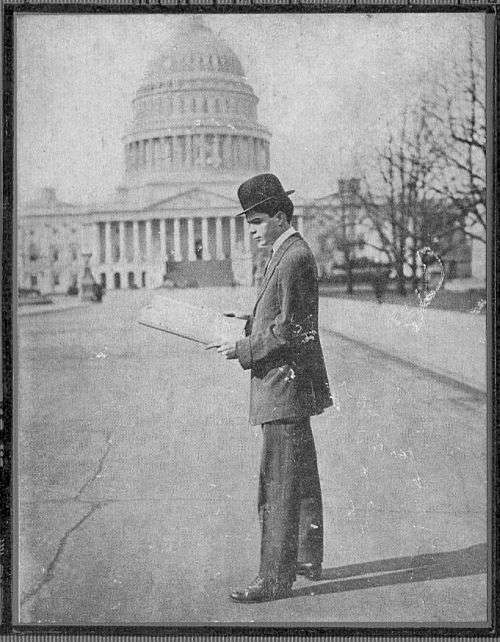 The Boy With the U.S. Census
by Francis Rolt-Wheeler
The Boy With the U.S. Census
by Francis Rolt-Wheeler
 The Lion's Whelp: A Story of Cromwell's Time
by Amelia E. Barr
The Lion's Whelp: A Story of Cromwell's Time
by Amelia E. Barr
 The Letters of Horace Walpole, Earl of Orford — Volume 4
by Horace Walpole
The Letters of Horace Walpole, Earl of Orford — Volume 4
by Horace Walpole
 Travels and Adventures of Little Baron Trump and His Wonderful Dog Bulger
by Ingersoll Lockwood
Travels and Adventures of Little Baron Trump and His Wonderful Dog Bulger
by Ingersoll Lockwood
 The Outdoor Chums on a Houseboat; Or, The Rivals of the Mississippi
by Quincy Allen
The Outdoor Chums on a Houseboat; Or, The Rivals of the Mississippi
by Quincy Allen