

About This Book
The essay celebrates walking as a practice that restores contact with nature and preserves individual freedom, defining sauntering as a receptive, quasi‑sacred mode of movement. It contrasts wildness with narrow civilized routines, argues that true walking requires leisure and moral readiness to detach from social obligations, and frames walkers as a distinct, contemplative order. Walking functions as intellectual and spiritual work rather than mere exercise, promoting health, imagination, and resistance to sedentary conformity. Interwoven reflections question settled habits, describe how landscape reshapes thought, and insist that preserving wildness is essential for a balanced inner and social life.
About the Author

More Books by This Author
6 picks
 A Plea for Captain John Brown / Read to the citizens of Concord, Massachusetts on Sunday evening, October thirtieth, eighteen fifty-nine
by Henry David Thoreau
A Plea for Captain John Brown / Read to the citizens of Concord, Massachusetts on Sunday evening, October thirtieth, eighteen fifty-nine
by Henry David Thoreau
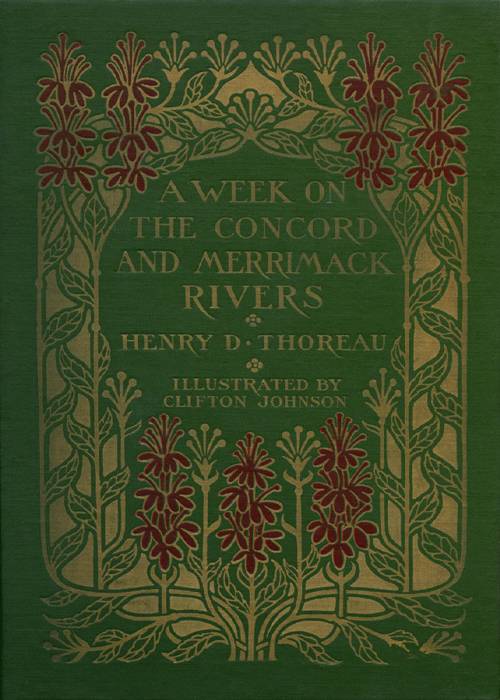 A Week on the Concord and Merrimack Rivers
by Henry David Thoreau
A Week on the Concord and Merrimack Rivers
by Henry David Thoreau
 A Yankee in Canada, with Anti-slavery and reform papers.
by Henry David Thoreau
A Yankee in Canada, with Anti-slavery and reform papers.
by Henry David Thoreau
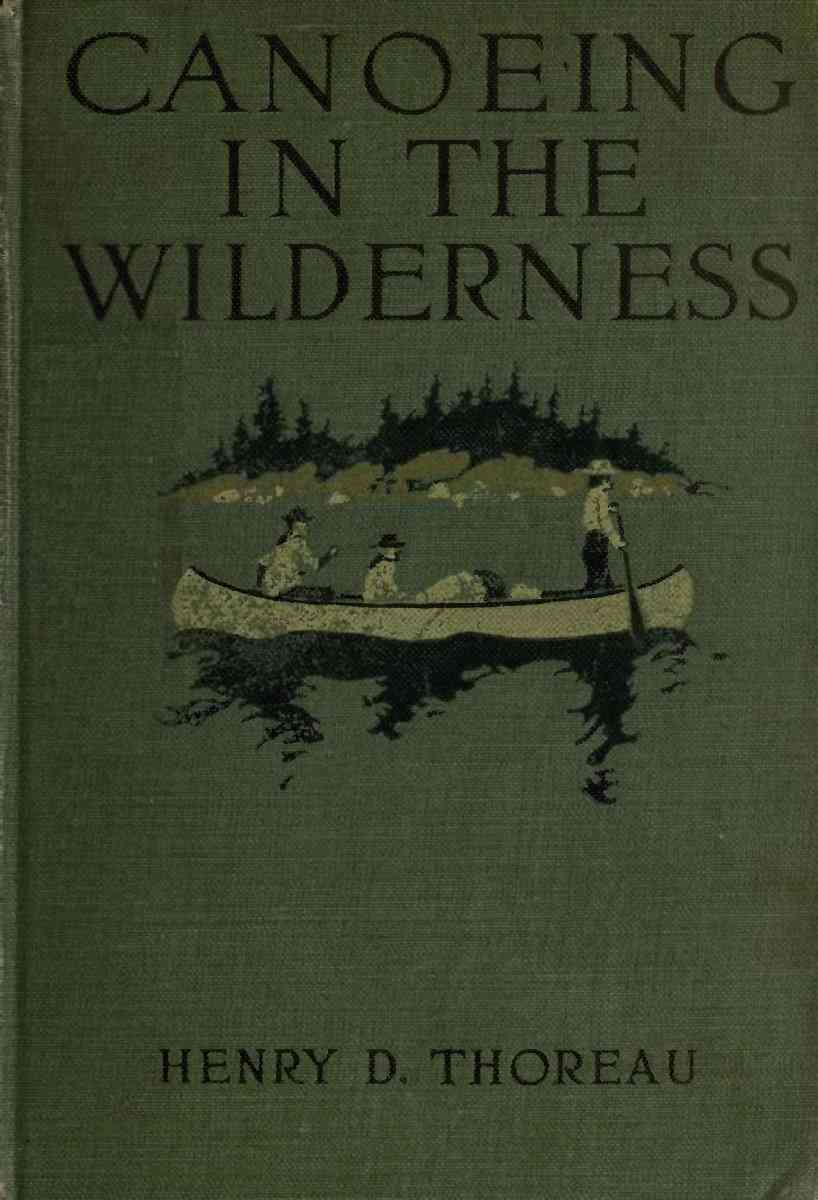 Canoeing in the wilderness
by Henry David Thoreau
Canoeing in the wilderness
by Henry David Thoreau
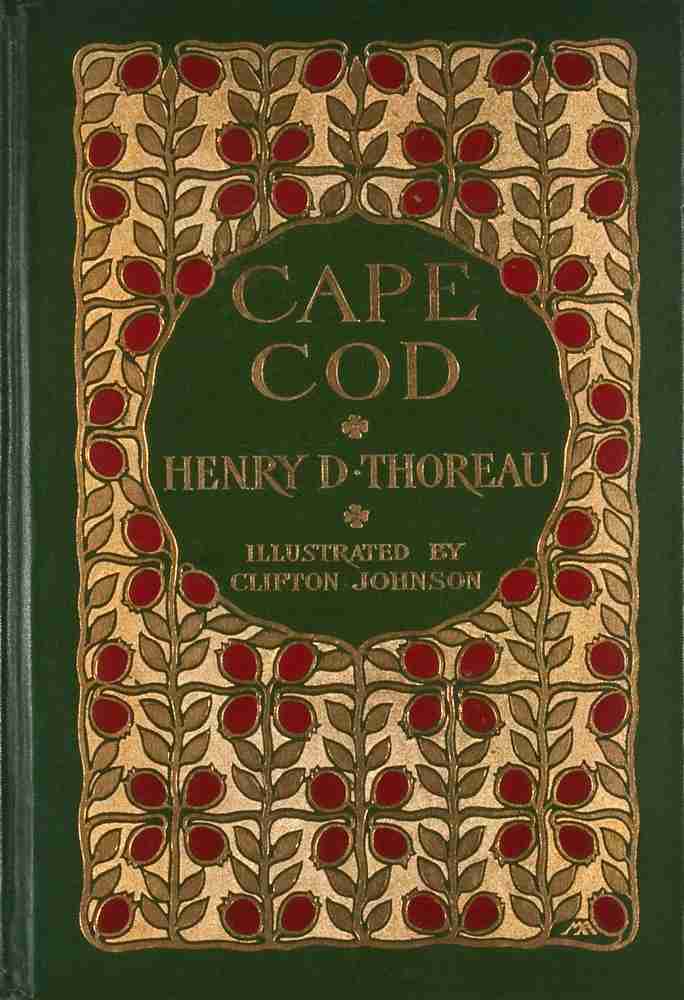 Cape Cod
by Henry David Thoreau
Cape Cod
by Henry David Thoreau
 Excursions
by Henry David Thoreau
Excursions
by Henry David Thoreau
You May Also Like
6 picks
 The Geologic Story of Palo Duro Canyon
by William Henry Matthews
The Geologic Story of Palo Duro Canyon
by William Henry Matthews
 The Young Man and the World
by Albert J. Beveridge
The Young Man and the World
by Albert J. Beveridge
 Sermons on the Card, and Other Discourses
by Hugh Latimer
Sermons on the Card, and Other Discourses
by Hugh Latimer
 Celebration in Baltimore of the Triumph of Liberty in France
by William Wirt
Celebration in Baltimore of the Triumph of Liberty in France
by William Wirt
 Guatemala, the country of the future
by Charles M. Pepper
Guatemala, the country of the future
by Charles M. Pepper
 History as literature, and other essays
by Theodore Roosevelt
History as literature, and other essays
by Theodore Roosevelt