
Transylvanian Superstitions / From: The Nineteenth Century (Vol. 18), London, July-December 1885, pp. 130-150
Explore more books like this:
About This Book
A survey of regional folk belief traces three main sources: native imaginative responses to rugged landscape, traditions imported by long-settled colonists, and practices of itinerant fortune-tellers. The account catalogs spirits, witches, dragons, and place-named devils linked to caves, forests, and lakes, and explains calendars and hours deemed perilous. Particular weekdays and festivals carry prohibitions on tasks like spinning, baking, or washing, while protective rituals and superstitious diagnostics — for example hearth-leaf divination at New Year or planting a fork to repel a midnight dragon — govern daily life and agriculture.
About the Author

More Books by This Author
1 picks

You May Also Like
6 picks
 Tuscan folk-lore and sketches, together with some other papers
by Isabella Mary Anderton
Tuscan folk-lore and sketches, together with some other papers
by Isabella Mary Anderton
 Aw-Aw-Tam Indian Nights: Being the Myths and Legends of the Pimas of Arizona
by J. Wm. Lloyd
Aw-Aw-Tam Indian Nights: Being the Myths and Legends of the Pimas of Arizona
by J. Wm. Lloyd
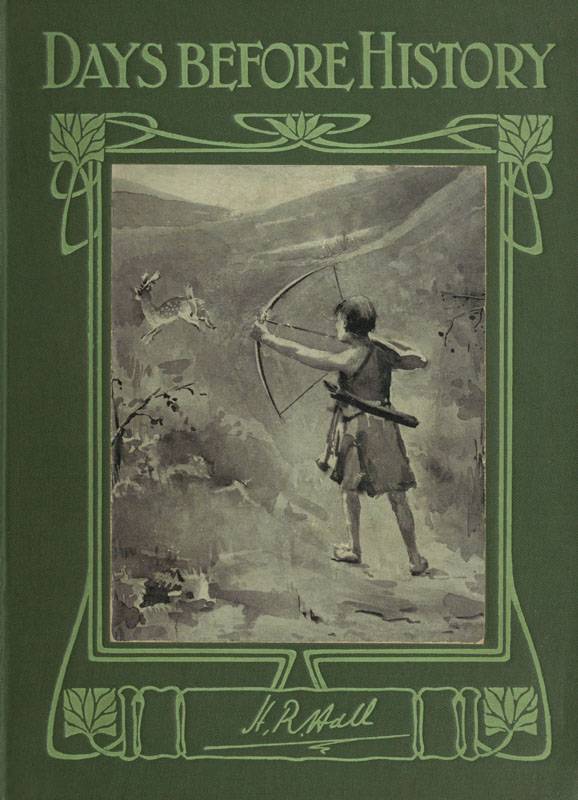 Days Before history
by H. R. Hall
Days Before history
by H. R. Hall
 Where the World is Quiet
by Henry Kuttner
Where the World is Quiet
by Henry Kuttner
 I simboli
by Guglielmo Ferrero
I simboli
by Guglielmo Ferrero
 In Indian Tents / Stories Told by Penobscot, Passamaquoddy and Micmac Indians to Abby L. Alger
by Abby Langdon Alger
In Indian Tents / Stories Told by Penobscot, Passamaquoddy and Micmac Indians to Abby L. Alger
by Abby Langdon Alger