

About This Book
A collection of linked short stories that examines conscience, culpability, and passion through a sequence of intimate incidents. Characters face secrecy, bereavement, and the slow erosion of moral resolve, often set against stark natural backdrops such as storm-swept coasts and shadowed domestic interiors. The narratives blend atmospheric description with psychological observation, showing how small deceptions and unspoken desires accumulate into profound personal change. Recurring motifs of burial, memory, and the sea underscore questions of redemption and fate, and most tales conclude on ambiguous moral consequences rather than tidy resolutions.
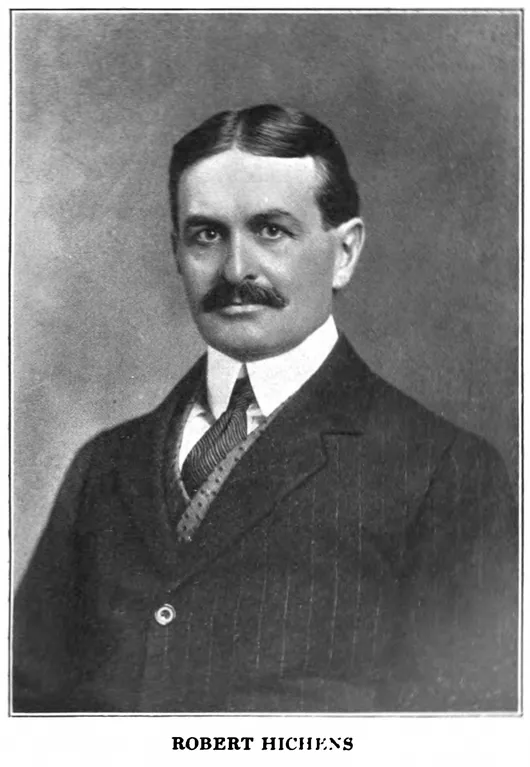
About the Author
More Books by This Author
6 picks





You May Also Like
6 picks
 L'ami Fritz
by Erckmann-Chatrian
L'ami Fritz
by Erckmann-Chatrian
 The Errand Boy; Or, How Phil Brent Won Success
by Jr. Horatio Alger
The Errand Boy; Or, How Phil Brent Won Success
by Jr. Horatio Alger
 At Last: A Novel
by Marion Harland
At Last: A Novel
by Marion Harland
 El caballero encantado (cuento real... inverosímil)
by Benito Pérez Galdós
El caballero encantado (cuento real... inverosímil)
by Benito Pérez Galdós
 The Doll and Her Friends / or Memoirs of the Lady Seraphina
by Julia Charlotte Maitland
The Doll and Her Friends / or Memoirs of the Lady Seraphina
by Julia Charlotte Maitland
 The Hand of Ethelberta: A Comedy in Chapters
by Thomas Hardy
The Hand of Ethelberta: A Comedy in Chapters
by Thomas Hardy