
About This Book
A series of argumentative essays examines the moral paradox of modern war, contrasting expanding ideals of universal obligation with the continued social acceptance of organised mass killing. It argues that state boundaries, diplomacy, and inherited manners institutionalise armed conflict even as public conscience broadens. Economic chapters analyse armament interests, wartime trade dynamics, and how profits concentrate with large capital and employers while national loss and civilian hardship increase. The work critiques imperialism and capitalism as engines of aggression, surveys cultural and propagandistic justifications, and proposes socialist and political reforms as means to reshape moral and economic relations toward wider human solidarity.
About the Author

You May Also Like
 A Beginner's History of Philosophy, Vol. 2: Modern Philosophy
by Herbert Ernest Cushman
A Beginner's History of Philosophy, Vol. 2: Modern Philosophy
by Herbert Ernest Cushman
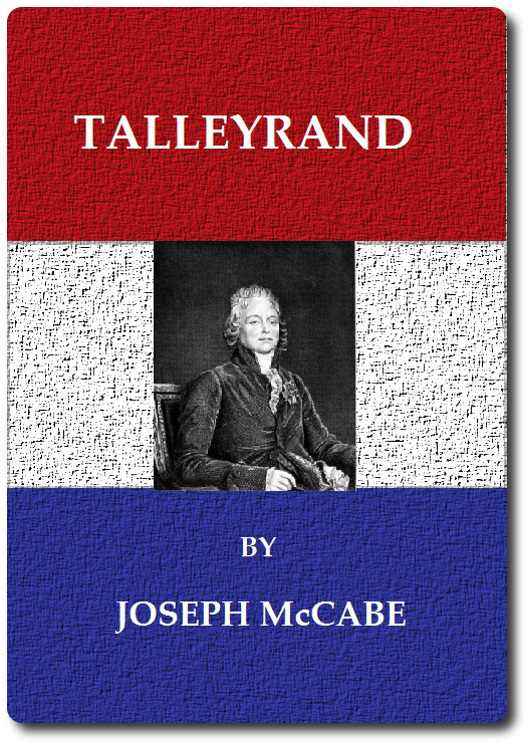 Talleyrand: A Biographical Study
by Joseph McCabe
Talleyrand: A Biographical Study
by Joseph McCabe
 Haydn
by John F. Runciman
Haydn
by John F. Runciman
 Verdun to the Vosges: Impressions of the War on the Fortress Frontier of France
by Gerald Campbell
Verdun to the Vosges: Impressions of the War on the Fortress Frontier of France
by Gerald Campbell
 A Yankee in the Trenches
by Robert Derby Holmes
A Yankee in the Trenches
by Robert Derby Holmes
 The German Secret Service in America 1914-1918
by John Price Jones
The German Secret Service in America 1914-1918
by John Price Jones