
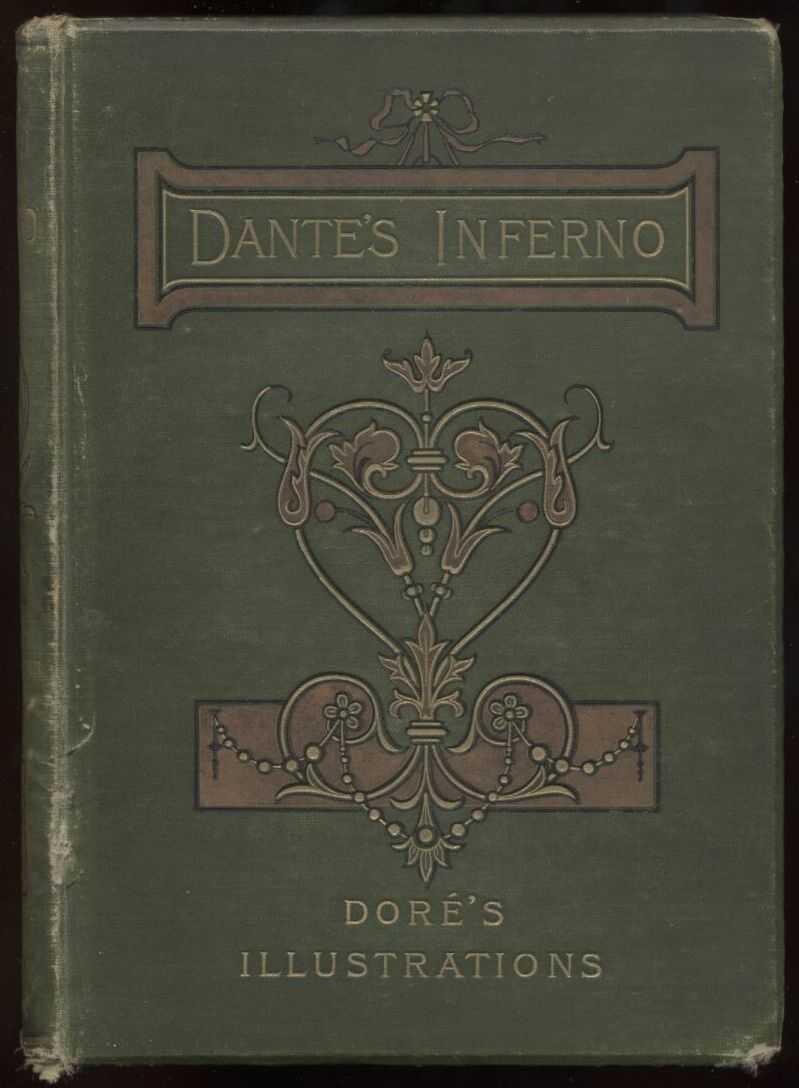
The vision of hell. / By Dante Alighieri. / Translated by Rev. Henry Francis Cary, M.A. / and illustrated with the seventy-five designs of Gustave Doré.
The poem follows a pilgrim who, guided by a revered classical poet, descends through successive circles of the afterlife to behold punishments tailored to particular sins. Along the route he confronts allegorical beasts, speaks with tormented souls and witnesses vivid tableaux of mythic and historical figures; a sequence of cantos arranges crimes and retribution to illuminate a moral architecture in which divine justice and contrapasso govern suffering. The journey frames themes of sin, moral responsibility, repentance, and the soul’s progress toward eventual purification.
About This Book
The poem follows a pilgrim who, guided by a revered classical poet, descends through successive circles of the afterlife to behold punishments tailored to particular sins. Along the route he confronts allegorical beasts, speaks with tormented souls and witnesses vivid tableaux of mythic and historical figures; a sequence of cantos arranges crimes and retribution to illuminate a moral architecture in which divine justice and contrapasso govern suffering. The journey frames themes of sin, moral responsibility, repentance, and the soul’s progress toward eventual purification.
About the Author
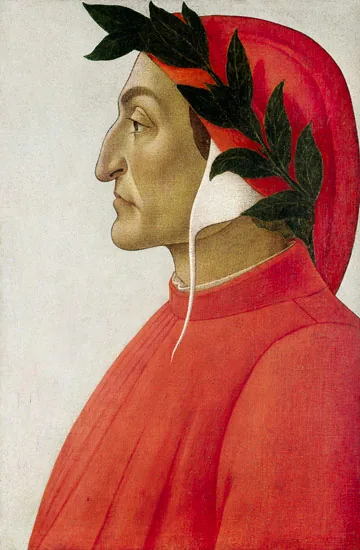
More Books by This Author
 Dante's Hel / In proza overgebracht en met een inleiding voorzien
by Dante Alighieri
Dante's Hel / In proza overgebracht en met een inleiding voorzien
by Dante Alighieri
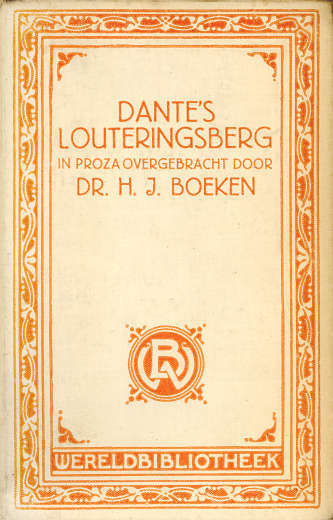 Dante's Louteringsberg / in proza overgebracht
by Dante Alighieri
Dante's Louteringsberg / in proza overgebracht
by Dante Alighieri
 Die Göttliche Komödie
by Dante Alighieri
Die Göttliche Komödie
by Dante Alighieri
 Divina Commedia di Dante: Inferno
by Dante Alighieri
Divina Commedia di Dante: Inferno
by Dante Alighieri
 Divina Commedia di Dante: Paradiso
by Dante Alighieri
Divina Commedia di Dante: Paradiso
by Dante Alighieri
 Divina Commedia di Dante: Purgatorio
by Dante Alighieri
Divina Commedia di Dante: Purgatorio
by Dante Alighieri
You May Also Like
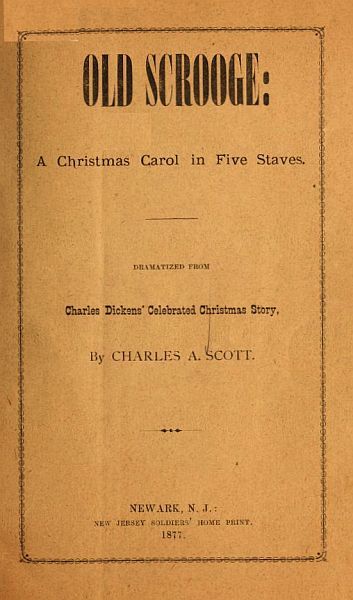 "Old Scrooge": A Christmas Carol in Five Staves. / Dramatized from Charles Dickens' Celebrated Christmas Story.
by Charles Augustus Scott
"Old Scrooge": A Christmas Carol in Five Staves. / Dramatized from Charles Dickens' Celebrated Christmas Story.
by Charles Augustus Scott
 20.000 Mijlen onder Zee: Oostelijk Halfrond
by Jules Verne
20.000 Mijlen onder Zee: Oostelijk Halfrond
by Jules Verne
 20.000 Mijlen onder Zee: Westelijk Halfrond
by Jules Verne
20.000 Mijlen onder Zee: Westelijk Halfrond
by Jules Verne
 A Child's Garden of Verses
by Robert Louis Stevenson
A Child's Garden of Verses
by Robert Louis Stevenson
 A Child's Garden of Verses
by Robert Louis Stevenson
A Child's Garden of Verses
by Robert Louis Stevenson
 A Child's Garden of Verses
by Robert Louis Stevenson
A Child's Garden of Verses
by Robert Louis Stevenson