
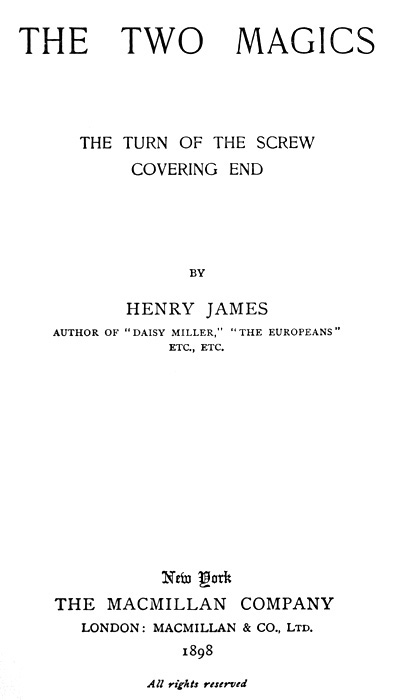
About This Book
The narrator presents a found manuscript in which a young woman recounts her time caring for two children at an isolated estate, where she and the youngsters begin to see unsettling apparitions. The tale unfolds as a framed oral report that builds atmosphere through suggestion and withheld detail, leaving uncertain whether the disturbances are genuinely supernatural or the product of fear, obsession, or fragile perception. Recurring themes include the vulnerability of innocence, the burden of responsibility, and the slipperiness of memory and testimony, all rendered in precise, suspenseful psychological observation.
About the Author
More Books by This Author
6 picks





You May Also Like
6 picks
 The Plunderers: A Novel
by Edwin Lefevre
The Plunderers: A Novel
by Edwin Lefevre
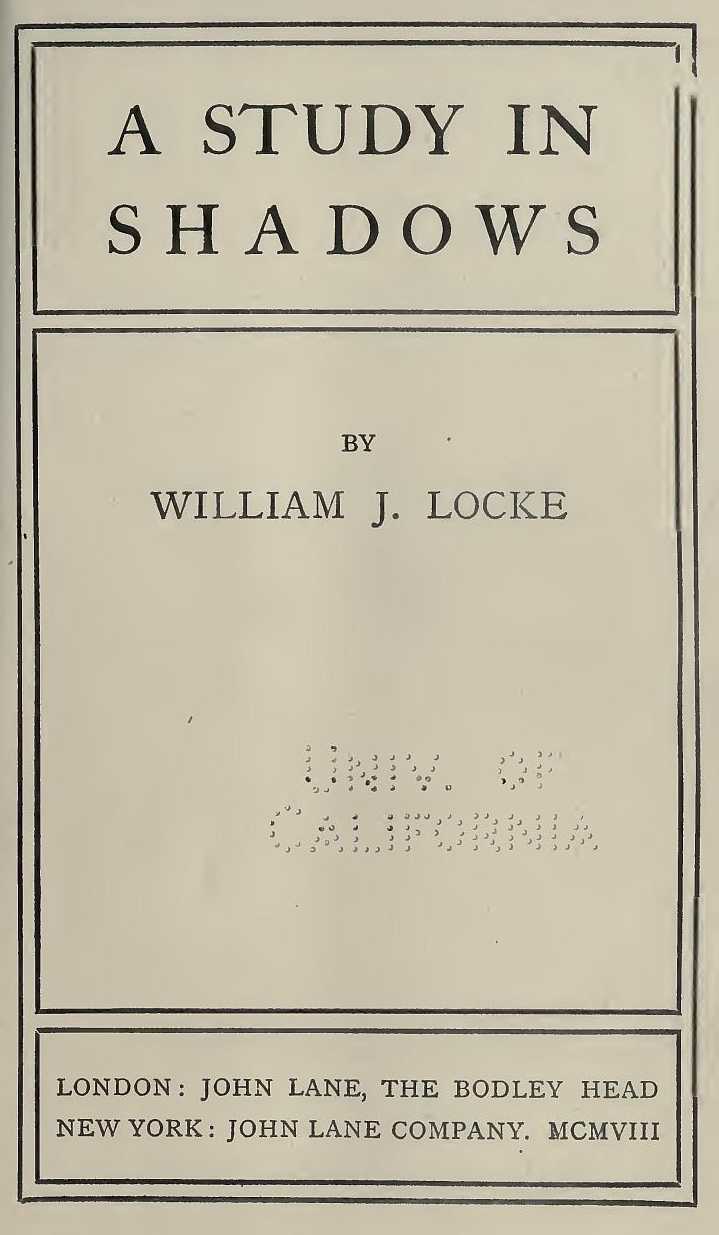 A Study In Shadows
by William John Locke
A Study In Shadows
by William John Locke
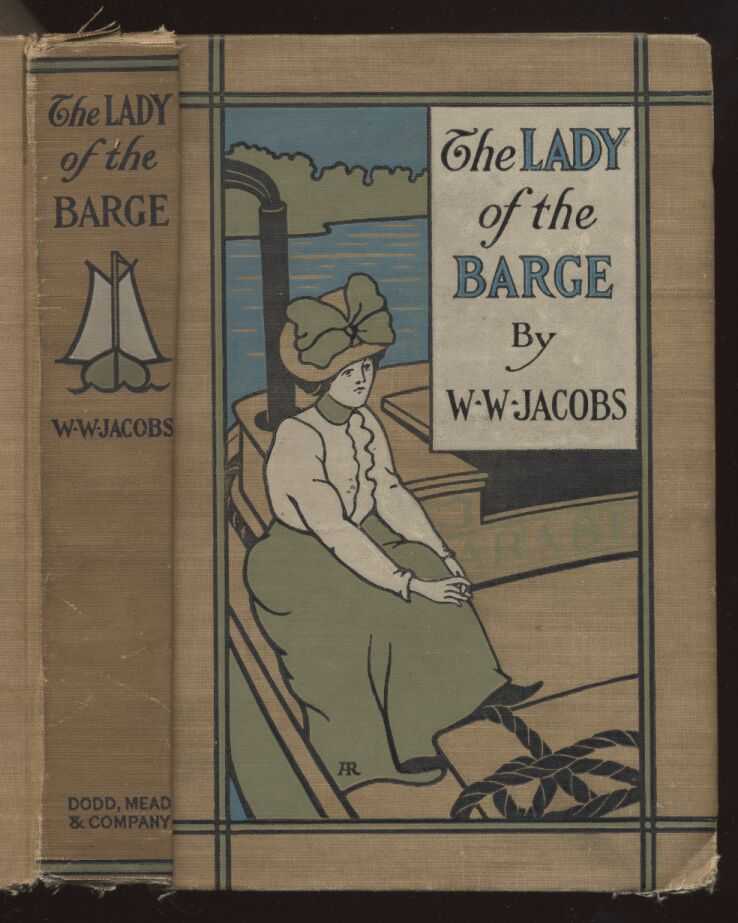 The Well / The Lady of the Barge and Others, Part 4.
by W. W. Jacobs
The Well / The Lady of the Barge and Others, Part 4.
by W. W. Jacobs
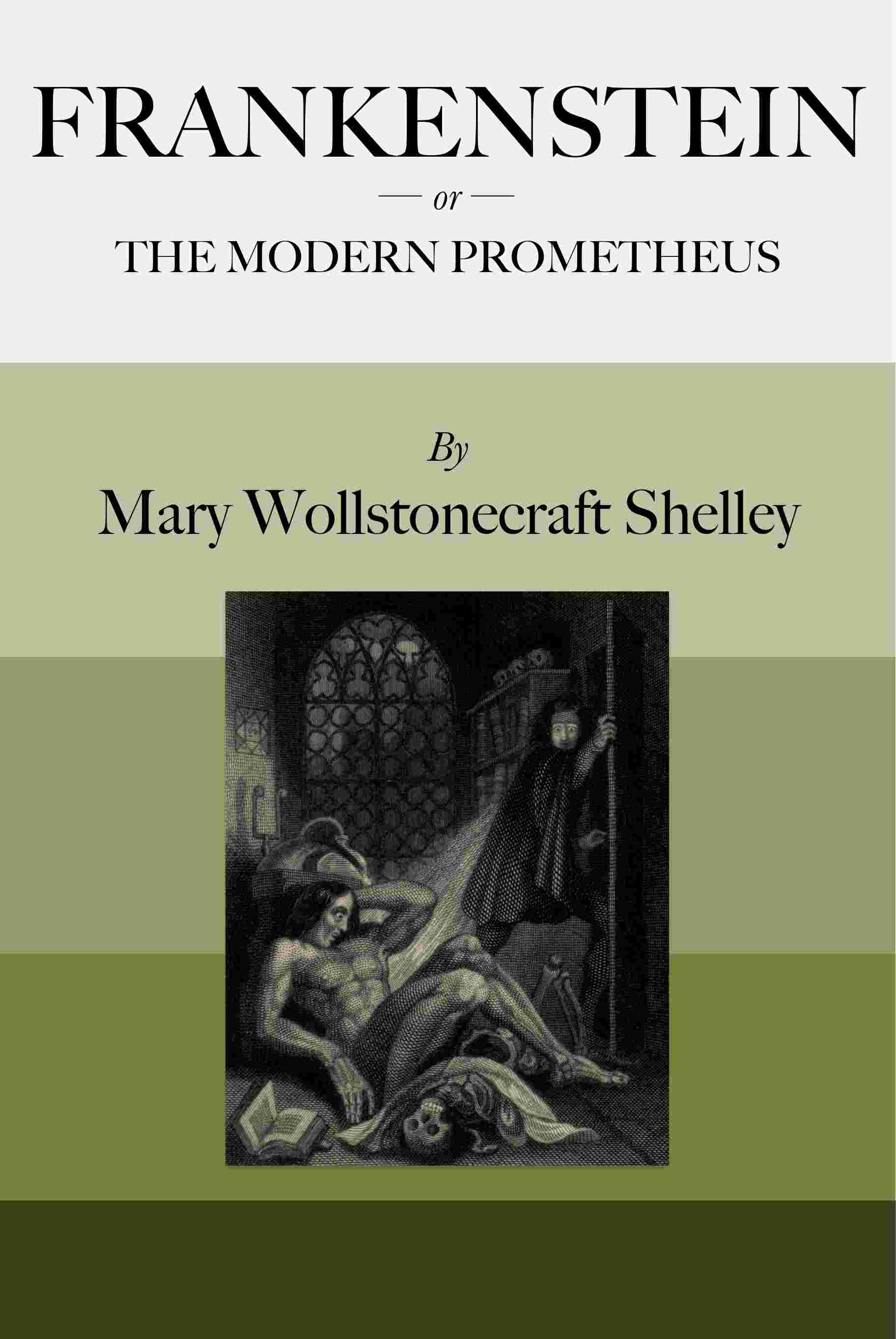 Frankenstein; Or, The Modern Prometheus
by Mary Wollstonecraft Shelley
Frankenstein; Or, The Modern Prometheus
by Mary Wollstonecraft Shelley
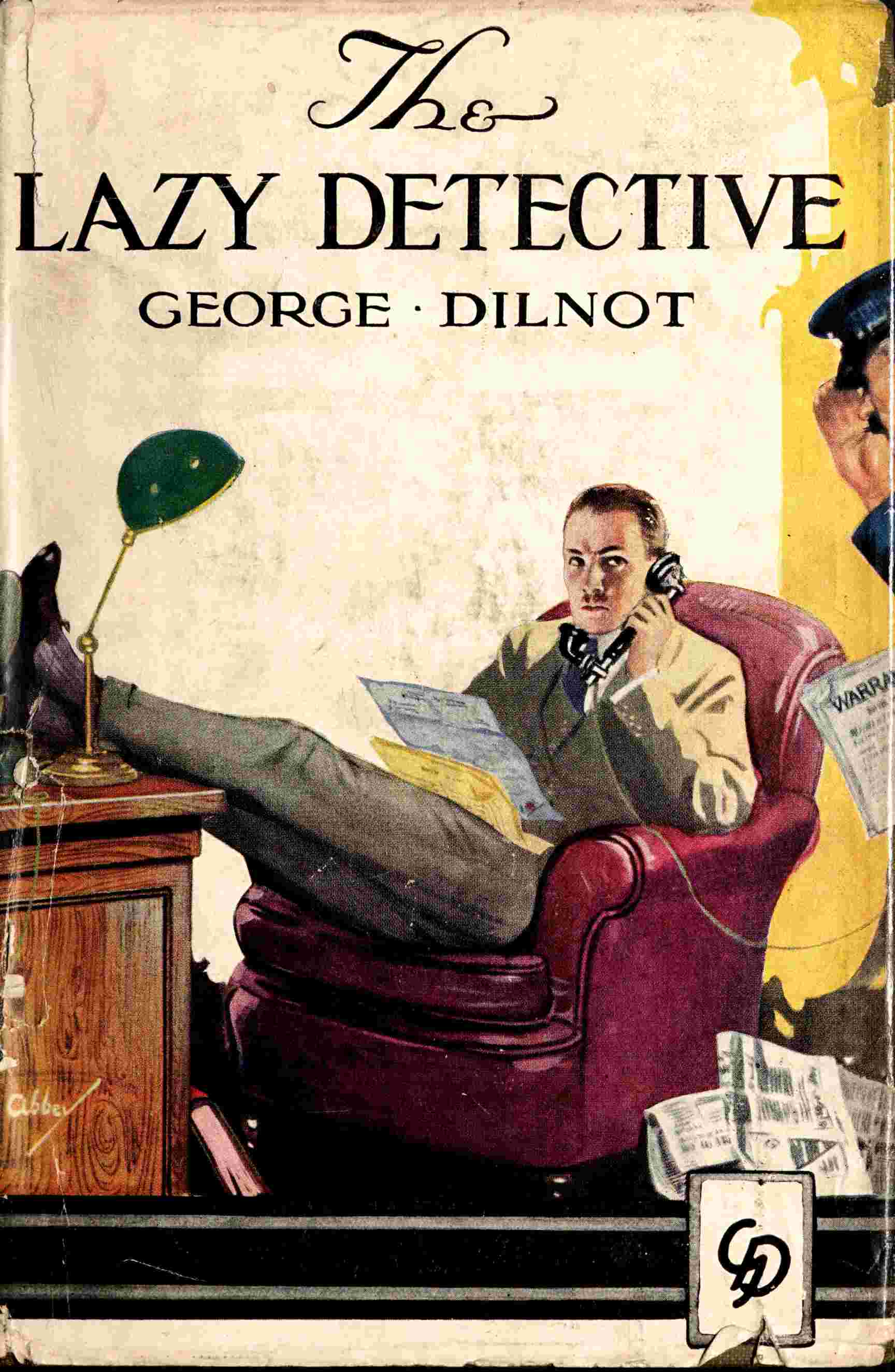 The lazy detective
by George Dilnot
The lazy detective
by George Dilnot
 Nor Iron Bars a Cage....
by Randall Garrett
Nor Iron Bars a Cage....
by Randall Garrett