

About This Book
An analysis of how social prestige is produced and maintained through nonproductive display, arguing that privileged groups secure respect by avoiding industrial labor and by visibly expending wealth through conspicuous leisure and consumption. The author examines pecuniary emulation across dress, taste, education, religion, and ceremonial life, showing how monetary motives shape aesthetic standards and perpetuate archaic traits such as ritualized prowess, belief in luck, and devout observances. Chapters trace the influence of a pecuniary standard on industry and conservatism, the function of fashion and higher learning as status signals, and the cultural mechanisms that conserve class privilege.
About the Author
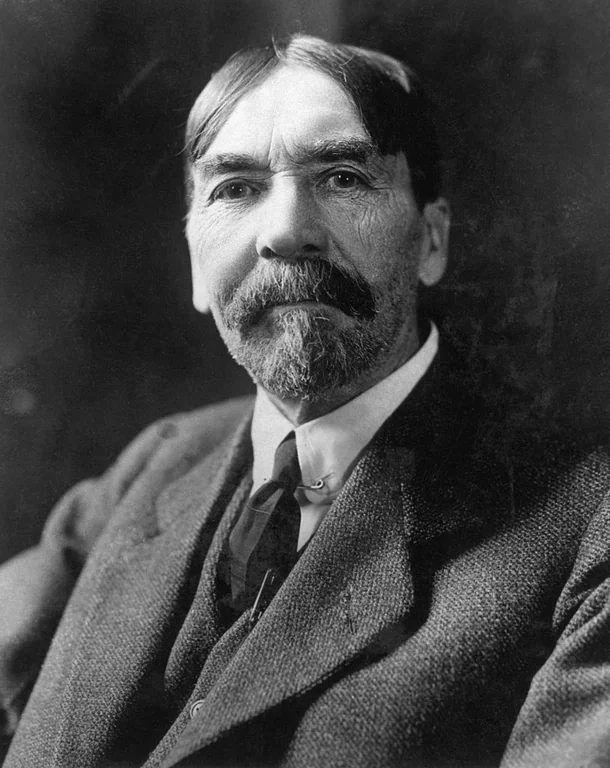
More Books by This Author
3 picks


You May Also Like
6 picks
 Social Transformations of the Victorian Age: A Survey of Court and Country
by T. H. S. Escott
Social Transformations of the Victorian Age: A Survey of Court and Country
by T. H. S. Escott
 East London
by Walter Besant
East London
by Walter Besant
 Protection and Communism
by Frédéric Bastiat
Protection and Communism
by Frédéric Bastiat
 Social process
by Charles Horton Cooley
Social process
by Charles Horton Cooley
 La transformación de las razas en América
by Agustín Alvarez
La transformación de las razas en América
by Agustín Alvarez
 The Biology, Physiology and Sociology of Reproduction / Also Sexual Hygiene with Special Reference to the Male
by Winfield Scott Hall
The Biology, Physiology and Sociology of Reproduction / Also Sexual Hygiene with Special Reference to the Male
by Winfield Scott Hall