
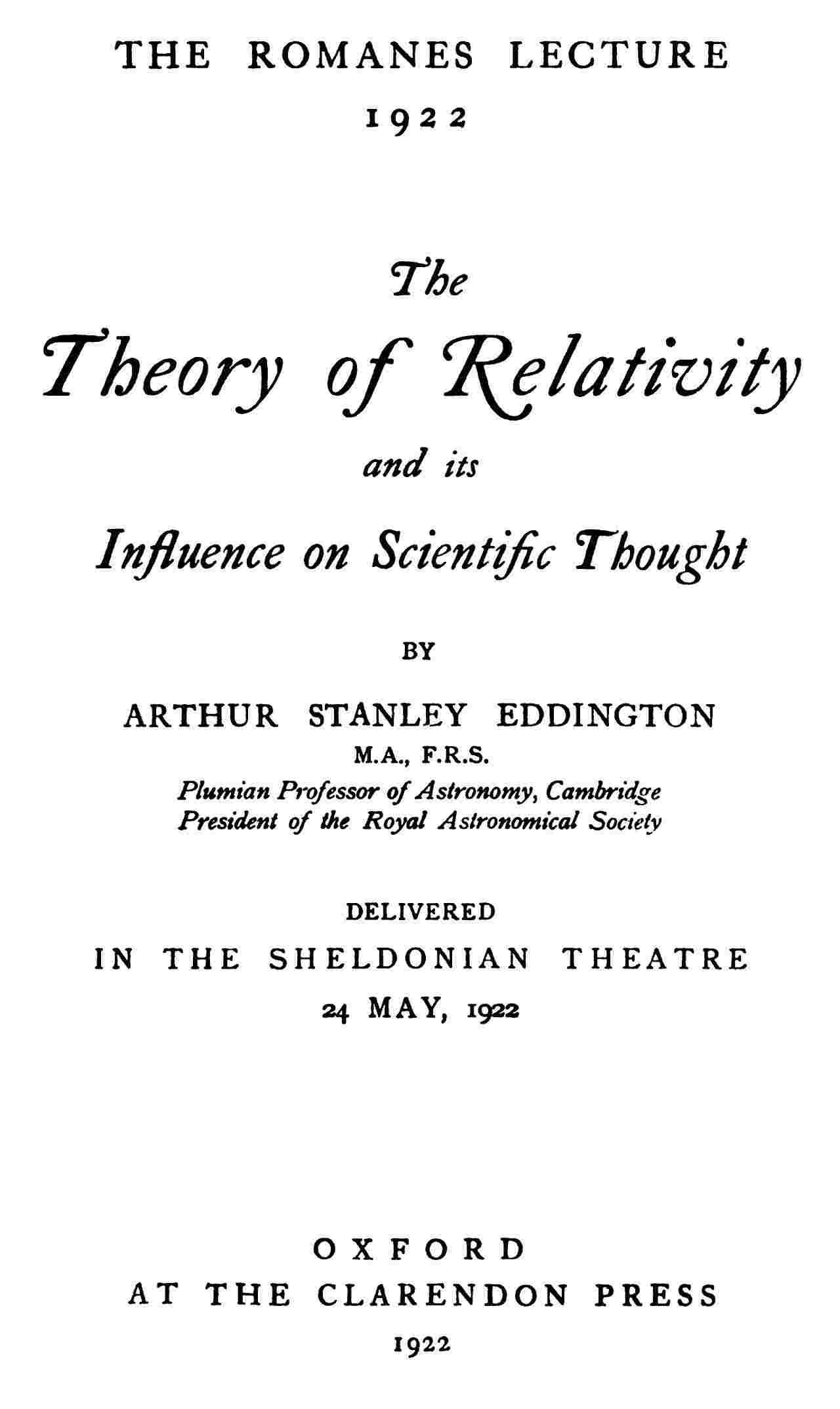
The theory of relativity and its influence on scientific thought
Explore more books like this:
About This Book
The text presents a clear, accessible account of Einstein's theory of relativity and its consequences for scientific thought, arguing that many problems arise from a terrestrial point of view and showing how adopting different frames of space and time removes apparent complexities. It uses the shift from Ptolemaic to Copernican perspective as an analogy, explains the equivalence of multiple space-time frames, discusses empirical tests such as the Michelson-Morley experiment, and considers how relativity reshapes measurement, observation, and the role of the observer in formulating physical laws.
About the Author

More Books by This Author
2 picks
You May Also Like
6 picks
 Het Nut der Mechanistische Methode in de Geneeskunde
by Herman Boerhaave
Het Nut der Mechanistische Methode in de Geneeskunde
by Herman Boerhaave
 Light and Colour Theories, and their relation to light and colour standardization
by Joseph W. Lovibond
Light and Colour Theories, and their relation to light and colour standardization
by Joseph W. Lovibond
 Fragments of Science: A Series of Detached Essays, Addresses, and Reviews. V. 1-2
by John Tyndall
Fragments of Science: A Series of Detached Essays, Addresses, and Reviews. V. 1-2
by John Tyndall
 New Theories in Astronomy
by William Stirling
New Theories in Astronomy
by William Stirling
 Out of Russia
by Crittenden Marriott
Out of Russia
by Crittenden Marriott
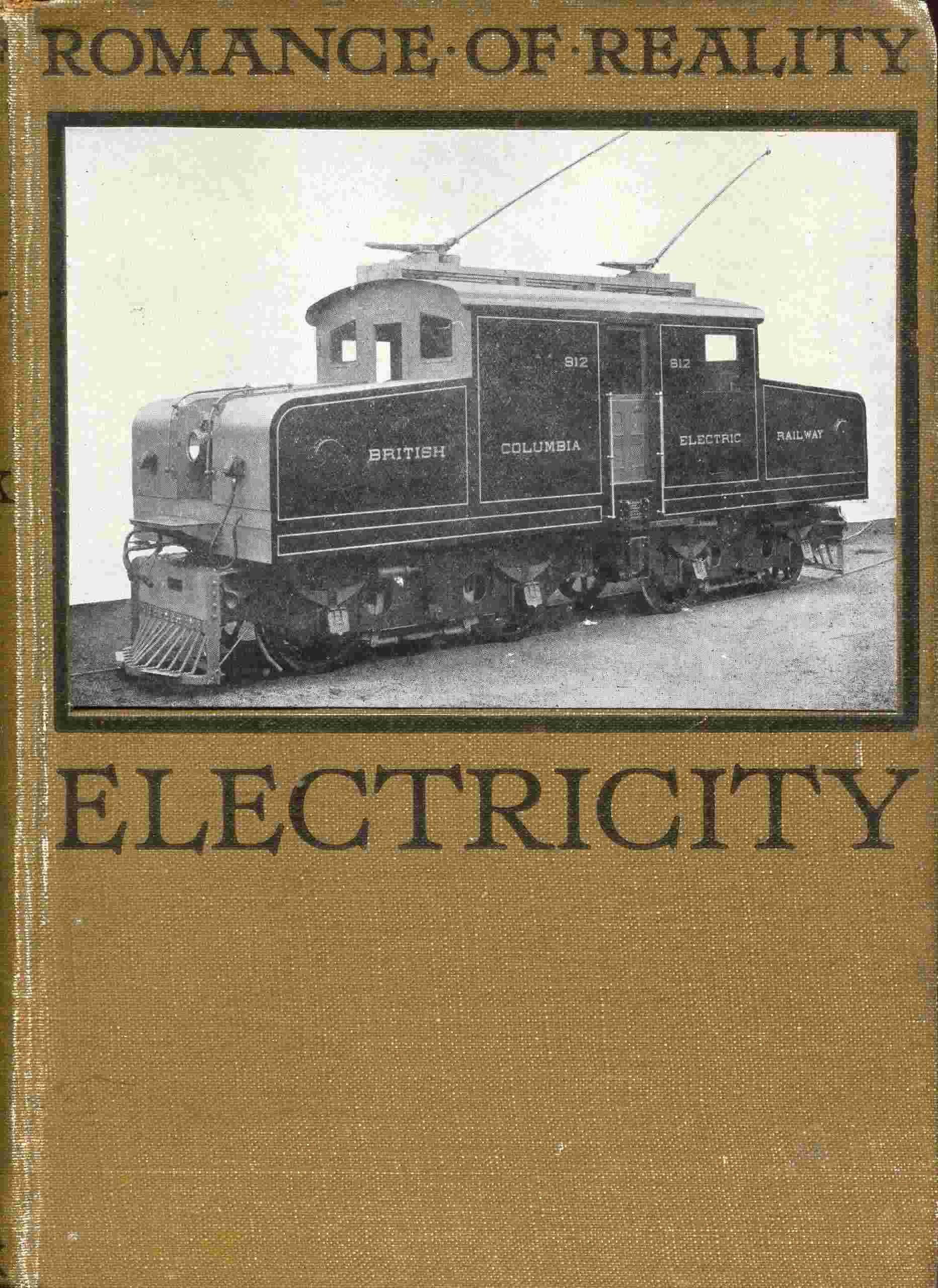 Electricity
by W. H. McCormick
Electricity
by W. H. McCormick