
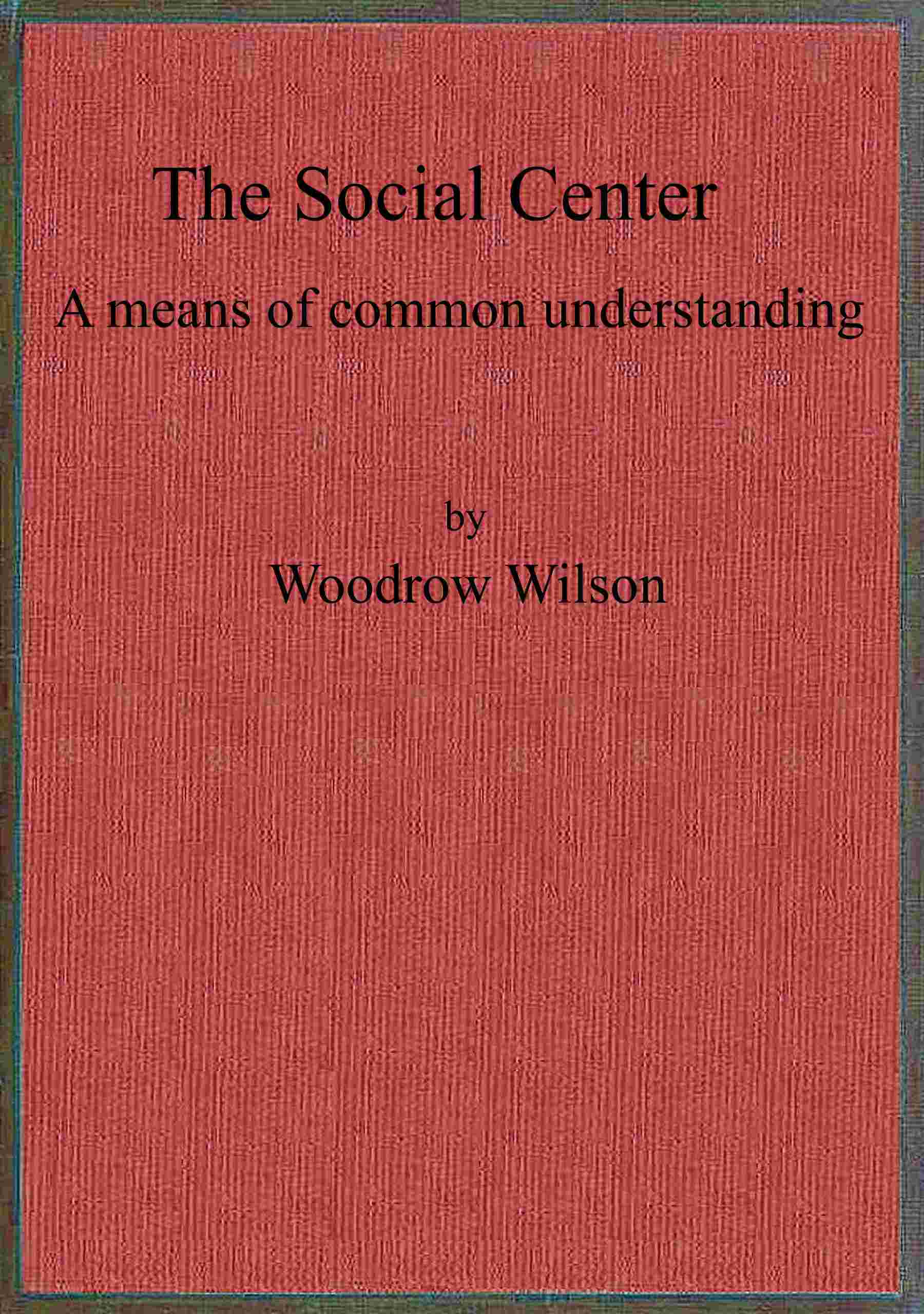
About This Book
The address argues that schoolhouses should function as civic centers by opening after hours for social, educational, and political gatherings, enabling neighbors to meet, exchange information, and coordinate common life. It frames the initiative as a means of spontaneous community development that reduces social segregation and residential isolation, fosters direct communication, and exposes local political abuses to public scrutiny. The speaker stresses that shared public spaces create bonds of sympathy and cooperation, likens civic integration to healthy bodily functioning, and highlights the practical value of repurposing existing school buildings for meetings, recreation, and communal discussion.
About the Author
More Books by This Author
6 picks




You May Also Like
6 picks
 The Writing of News / A Handbook with Chapters on Newspaper Correspondence and Copy Reading
by Charles G. Ross
The Writing of News / A Handbook with Chapters on Newspaper Correspondence and Copy Reading
by Charles G. Ross
 What the White Race May Learn from the Indian
by George Wharton James
What the White Race May Learn from the Indian
by George Wharton James
 Civilisation: Its Cause and Cure; and Other Essays
by Edward Carpenter
Civilisation: Its Cause and Cure; and Other Essays
by Edward Carpenter
 L'Afrique aux Noirs
by Paul Otlet
L'Afrique aux Noirs
by Paul Otlet
 The Kallikak Family: A Study in the Heredity of Feeble-Mindedness
by Henry Herbert Goddard
The Kallikak Family: A Study in the Heredity of Feeble-Mindedness
by Henry Herbert Goddard
 The Roman Question
by Edmond About
The Roman Question
by Edmond About