

About This Book
The essay argues that literature grows with social complexity and becomes both a marker and a cause of cultural progress, nourishing sensibility and intellectual habit while connecting past and present. It treats literature's double face as noble vocation and commercial trade, noting the proliferation of incompetent aspirants motivated by vanity or livelihood. The author stresses that mere cleverness cannot substitute for sincerity, moral qualities, and special aptitudes; success requires directing native powers toward forms for which they are suited. He proposes that literature rests on psychological laws and method, and that understanding those governing principles aids talented writers by guiding effort and preventing wasted labour.
About the Author
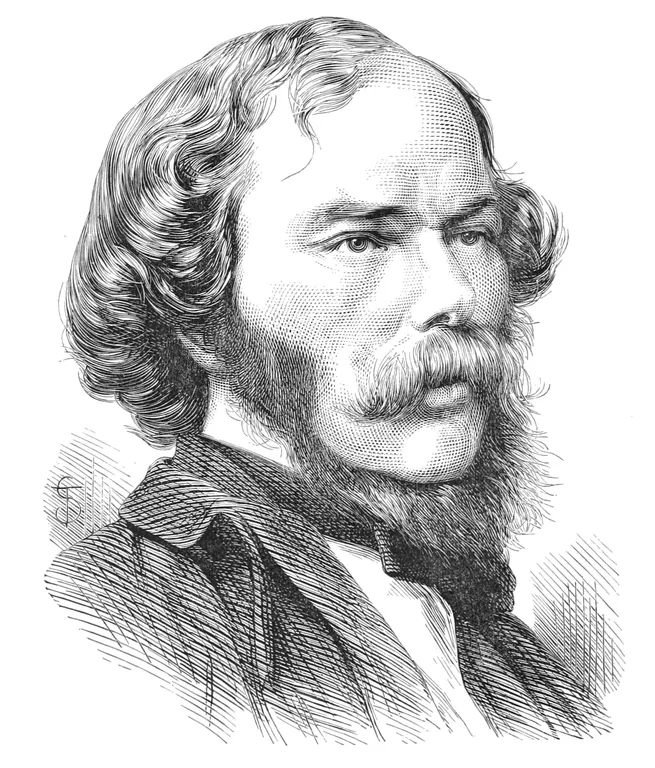
More Books by This Author
1 picks
You May Also Like
6 picks
 Wagner's "Tristan und Isolde": An Essay on the Wagnerian Drama
by George Ainslie Hight
Wagner's "Tristan und Isolde": An Essay on the Wagnerian Drama
by George Ainslie Hight
 In a Canadian Canoe; The Nine Muses Minus One, and Other Stories
by Barry Pain
In a Canadian Canoe; The Nine Muses Minus One, and Other Stories
by Barry Pain
 An Answer to a scurrilous pamphlet, lately printed, intituled, A letter from Monsieur de Cros, to the Lord ----
by William Temple
An Answer to a scurrilous pamphlet, lately printed, intituled, A letter from Monsieur de Cros, to the Lord ----
by William Temple
 Speech of Mr. Cushing, of Massachusetts, on the Right of Petition, / as Connected with Petitions for the Abolition of Slavery and the Slave Trade / in the District of Columbia. In The House Of Representatives, January 25, 1836.
by Caleb Cushing
Speech of Mr. Cushing, of Massachusetts, on the Right of Petition, / as Connected with Petitions for the Abolition of Slavery and the Slave Trade / in the District of Columbia. In The House Of Representatives, January 25, 1836.
by Caleb Cushing
 Essays on Paul Bourget
by Mark Twain
Essays on Paul Bourget
by Mark Twain
 Studies of the Greek Poets (Vol 2 of 2)
by John Addington Symonds
Studies of the Greek Poets (Vol 2 of 2)
by John Addington Symonds