
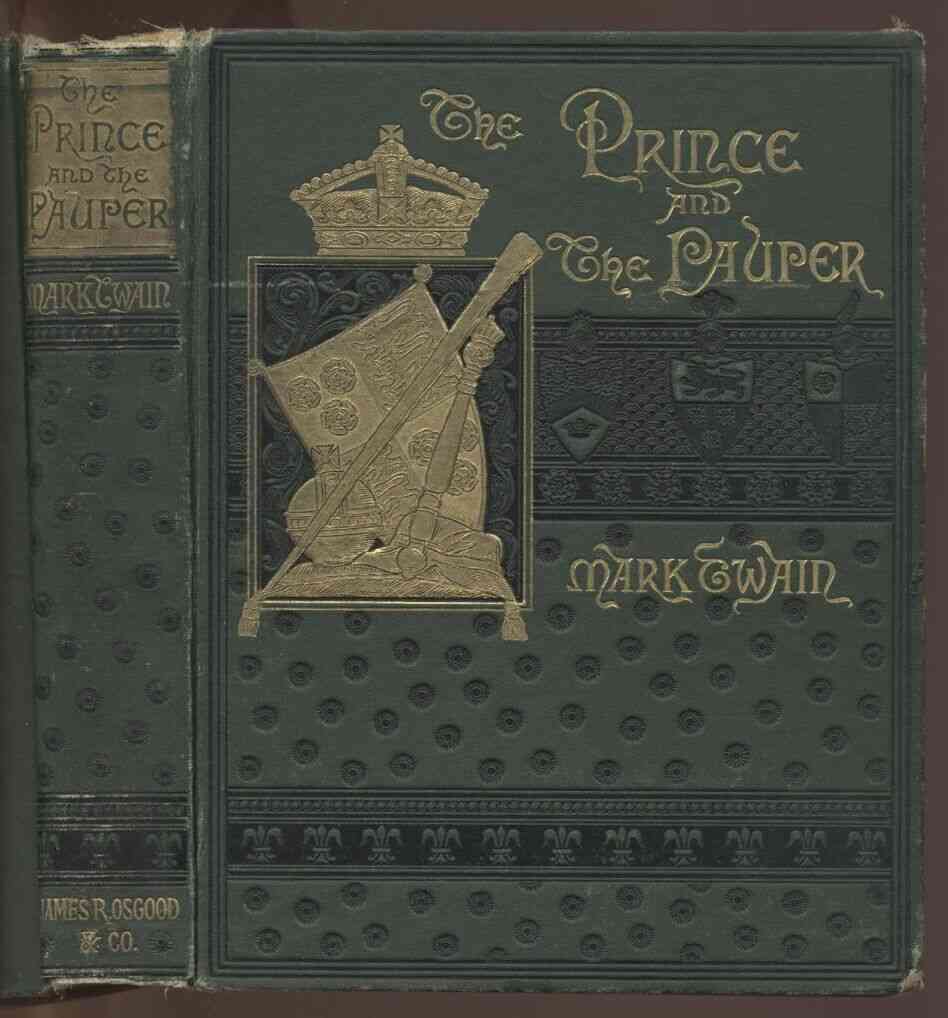
The Prince and the Pauper, Part 5.
The narrative alternates between a street boy unexpectedly seated as monarch, who finds ceremonial pomp tedious and burdensome despite small private comforts, and the loyal man who pursues the missing royal through town and countryside, following scattered clues into a ruined farm. The displaced youth endures neglect and rough company, sleeps on straw while mourning his absent father, and faces mockery from a disguised tormentor and an accomplice. The episodes emphasize confusion of identity, the strain of imposed social roles, and the stark contrast between outward pageantry and underlying vulnerability.
About This Book
The narrative alternates between a street boy unexpectedly seated as monarch, who finds ceremonial pomp tedious and burdensome despite small private comforts, and the loyal man who pursues the missing royal through town and countryside, following scattered clues into a ruined farm. The displaced youth endures neglect and rough company, sleeps on straw while mourning his absent father, and faces mockery from a disguised tormentor and an accomplice. The episodes emphasize confusion of identity, the strain of imposed social roles, and the stark contrast between outward pageantry and underlying vulnerability.
About the Author
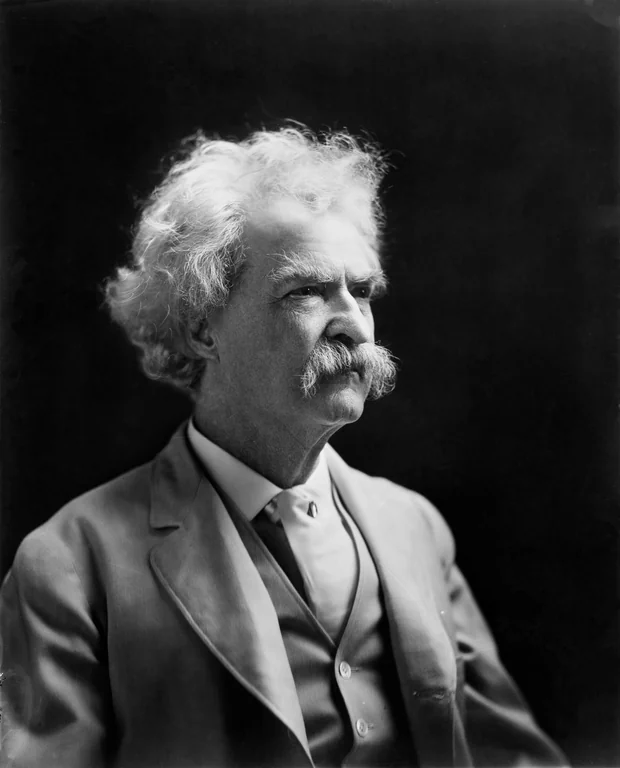
More Books by This Author
 1601: Conversation as it was by the Social Fireside in the Time of the Tudors
by Mark Twain
1601: Conversation as it was by the Social Fireside in the Time of the Tudors
by Mark Twain
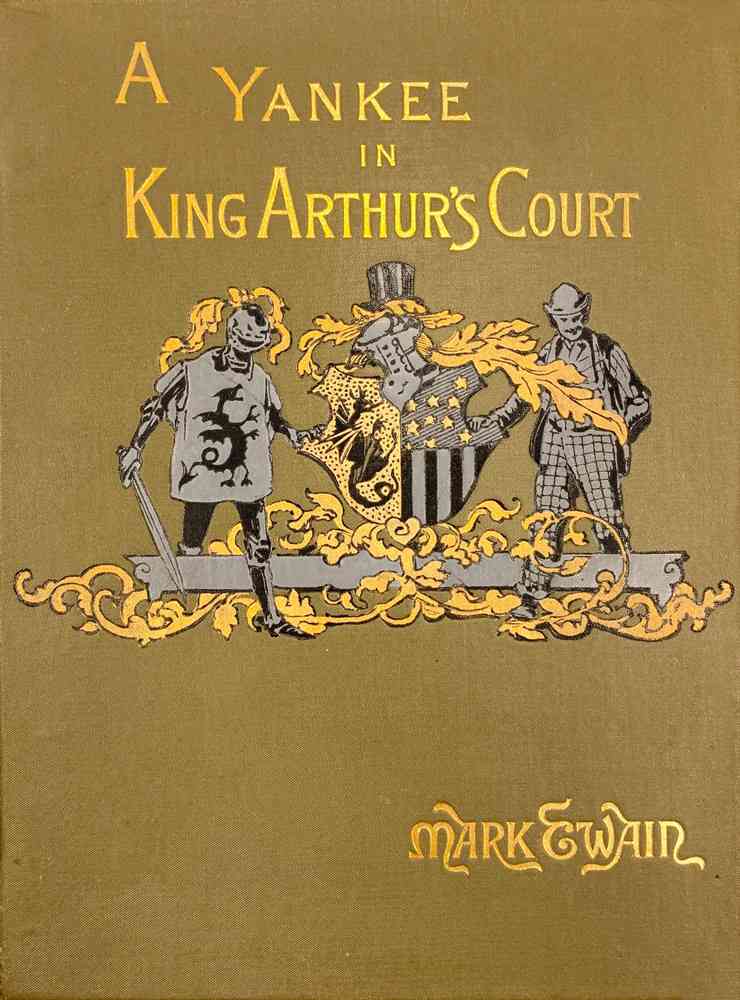 A Connecticut Yankee in King Arthur's Court
by Mark Twain
A Connecticut Yankee in King Arthur's Court
by Mark Twain
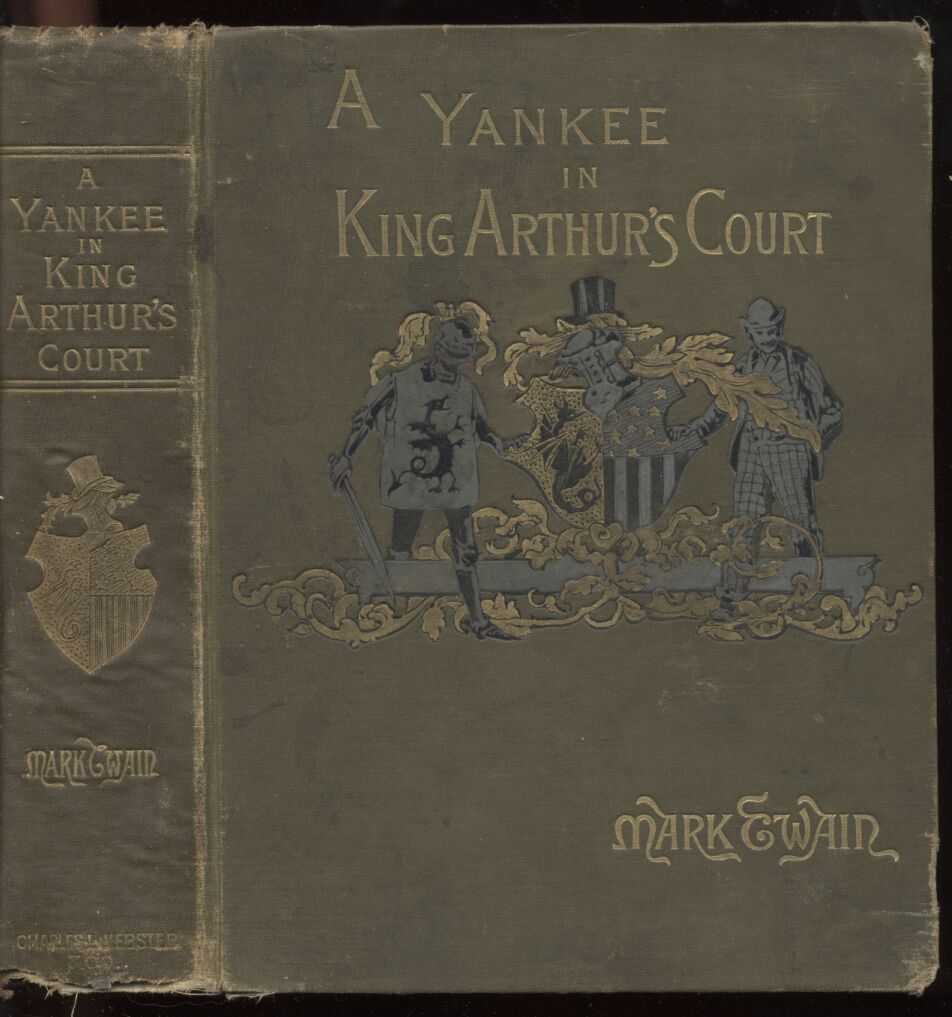 A Connecticut Yankee in King Arthur's Court, Part 1.
by Mark Twain
A Connecticut Yankee in King Arthur's Court, Part 1.
by Mark Twain
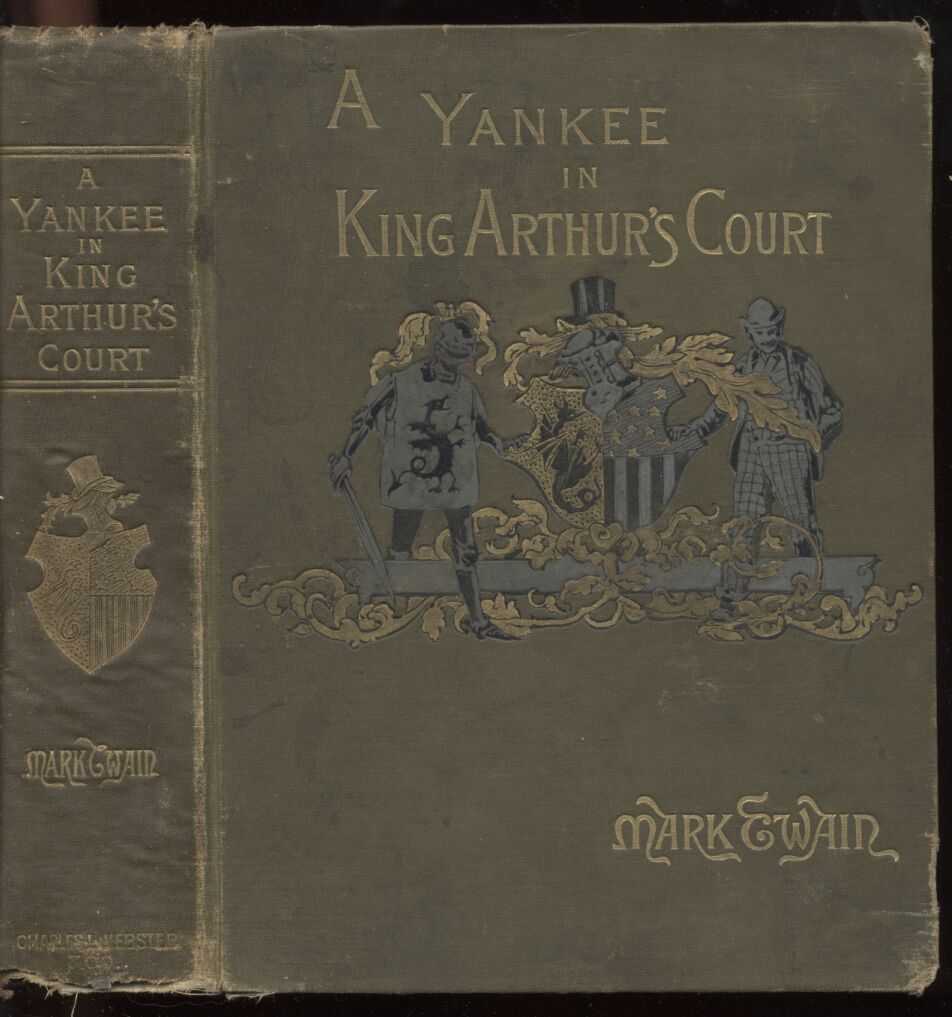 A Connecticut Yankee in King Arthur's Court, Part 2.
by Mark Twain
A Connecticut Yankee in King Arthur's Court, Part 2.
by Mark Twain
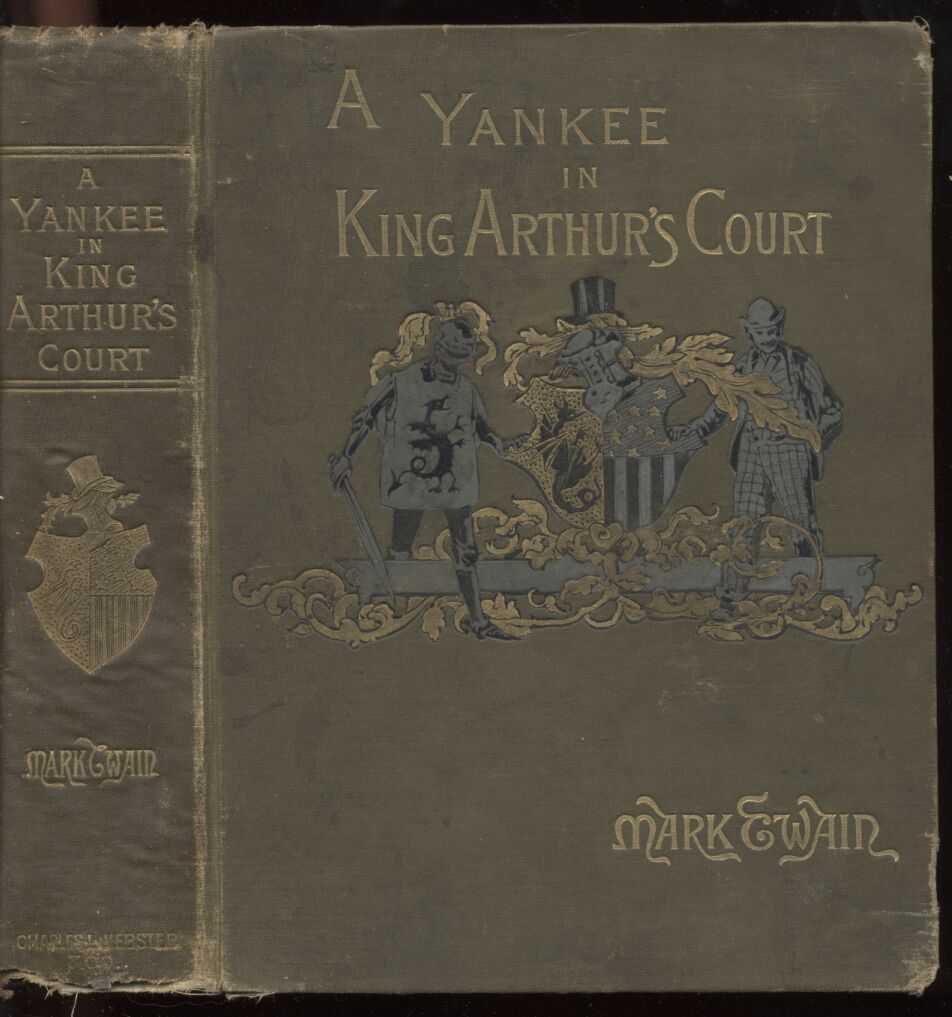 A Connecticut Yankee in King Arthur's Court, Part 3.
by Mark Twain
A Connecticut Yankee in King Arthur's Court, Part 3.
by Mark Twain
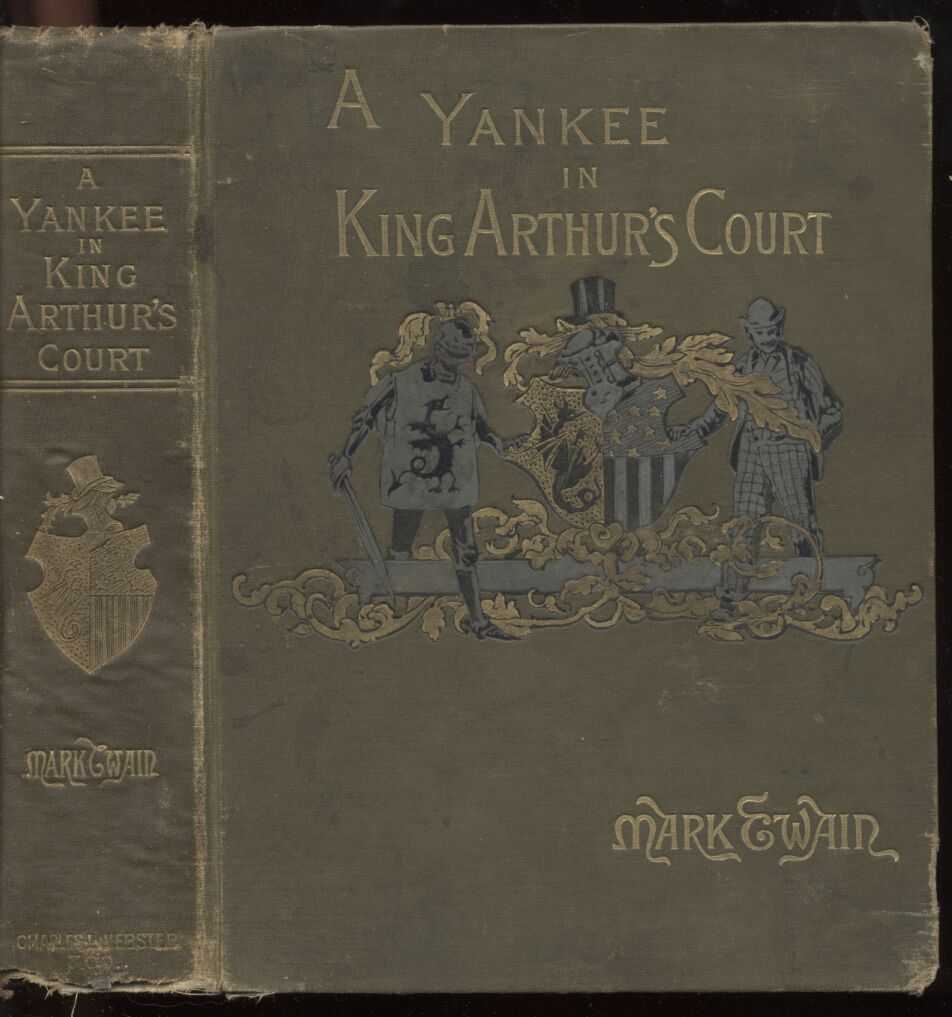 A Connecticut Yankee in King Arthur's Court, Part 4.
by Mark Twain
A Connecticut Yankee in King Arthur's Court, Part 4.
by Mark Twain