
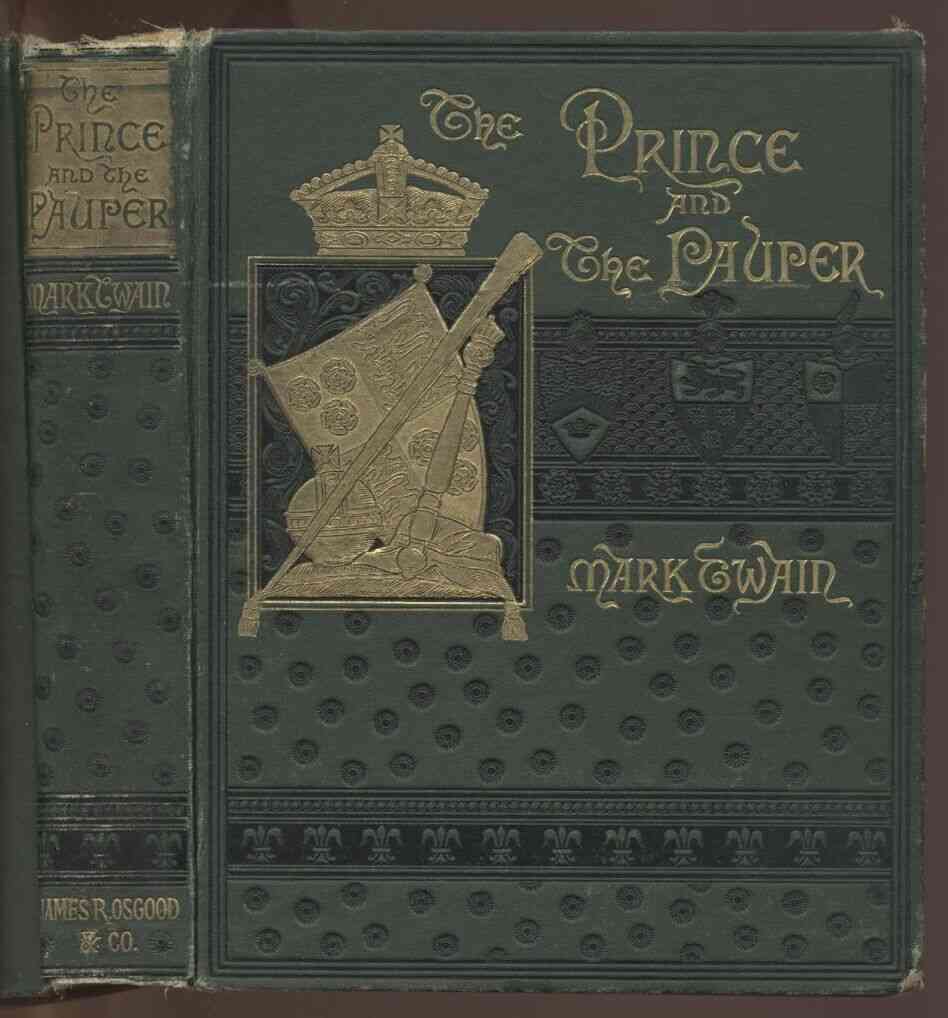
The Prince and the Pauper, Part 4.
Two boys, one born to privilege and the other raised in squalor, unknowingly trade places and are thrust into each other's worlds. The narrative follows their separate journeys: the privileged boy confronts urban hardship and street life, while the other navigates courtly ceremony and political responsibility. Episodes of mistaken identity, narrow escapes, and compassionate allies highlight contrasts between social classes and expose legal and moral hypocrisies. The prose alternates lively adventure with ironic social critique, showing how experience reshapes sympathy and judgment. Scattered side characters and episodic scenes converge toward a restoration that underscores themes of justice, identity, and human dignity.
About This Book
Two boys, one born to privilege and the other raised in squalor, unknowingly trade places and are thrust into each other's worlds. The narrative follows their separate journeys: the privileged boy confronts urban hardship and street life, while the other navigates courtly ceremony and political responsibility. Episodes of mistaken identity, narrow escapes, and compassionate allies highlight contrasts between social classes and expose legal and moral hypocrisies. The prose alternates lively adventure with ironic social critique, showing how experience reshapes sympathy and judgment. Scattered side characters and episodic scenes converge toward a restoration that underscores themes of justice, identity, and human dignity.
About the Author
More Books by This Author
 1601: Conversation as it was by the Social Fireside in the Time of the Tudors
by Mark Twain
1601: Conversation as it was by the Social Fireside in the Time of the Tudors
by Mark Twain
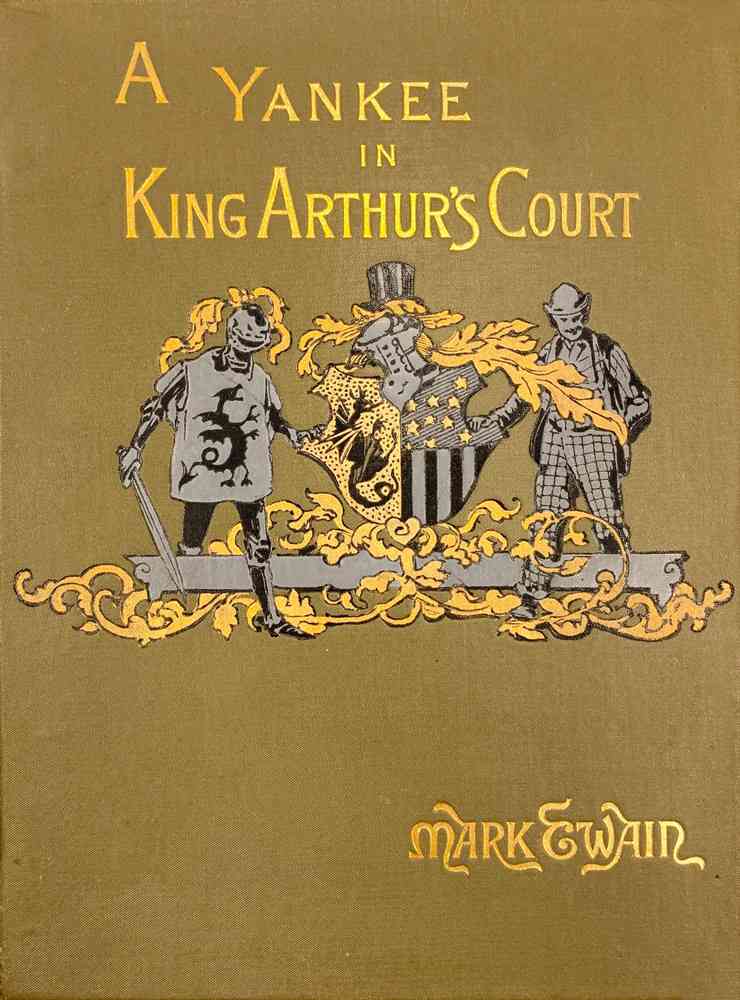 A Connecticut Yankee in King Arthur's Court
by Mark Twain
A Connecticut Yankee in King Arthur's Court
by Mark Twain
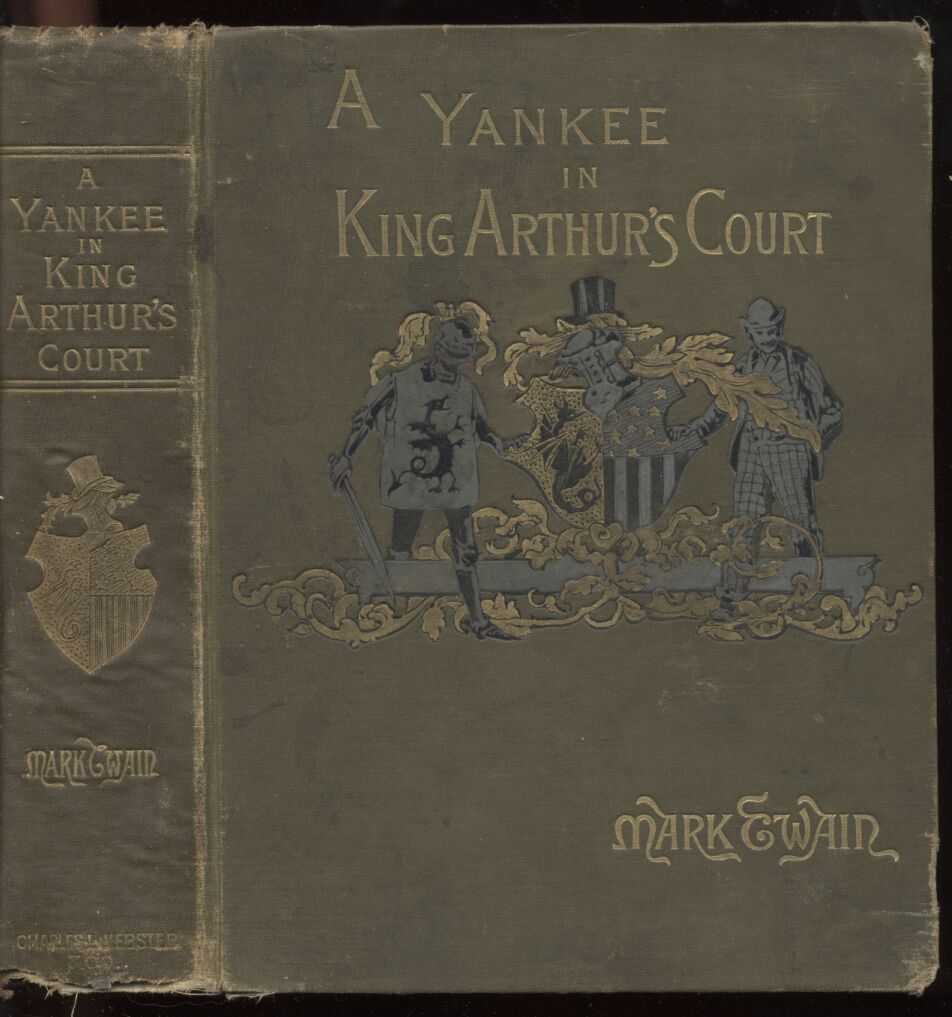 A Connecticut Yankee in King Arthur's Court, Part 1.
by Mark Twain
A Connecticut Yankee in King Arthur's Court, Part 1.
by Mark Twain
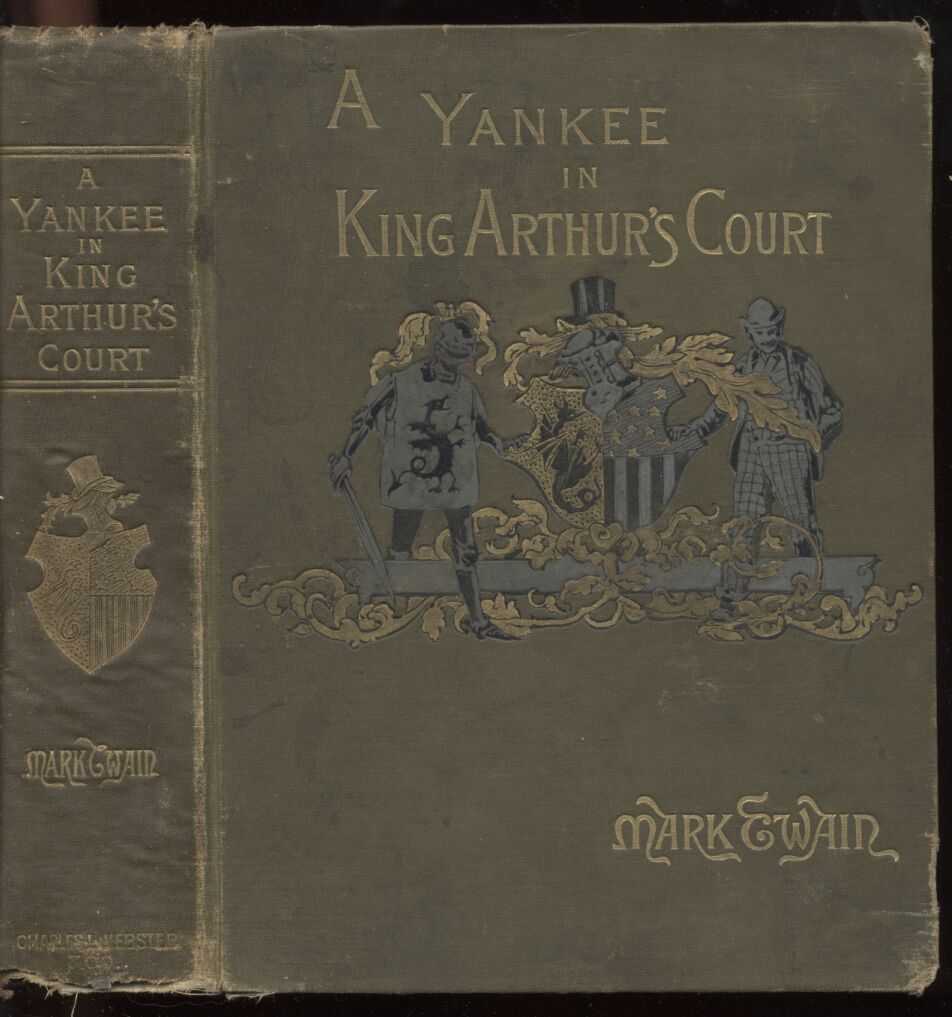 A Connecticut Yankee in King Arthur's Court, Part 2.
by Mark Twain
A Connecticut Yankee in King Arthur's Court, Part 2.
by Mark Twain
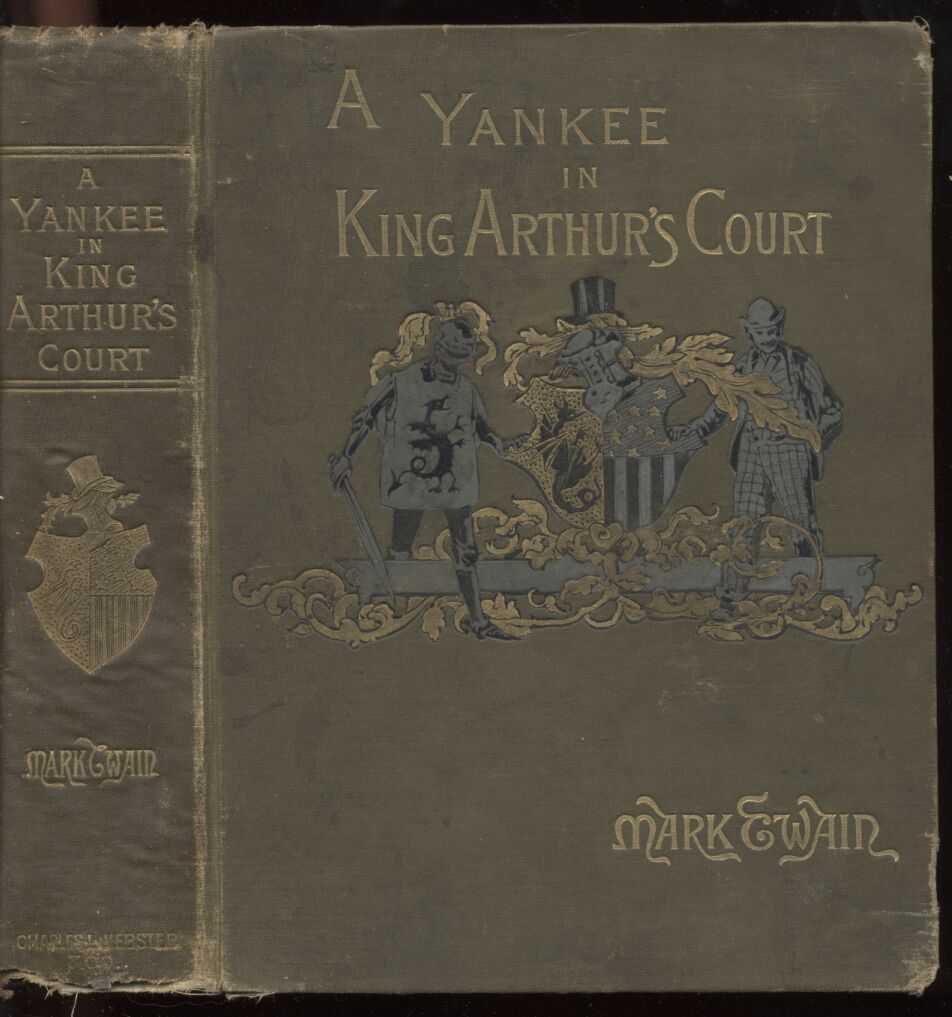 A Connecticut Yankee in King Arthur's Court, Part 3.
by Mark Twain
A Connecticut Yankee in King Arthur's Court, Part 3.
by Mark Twain
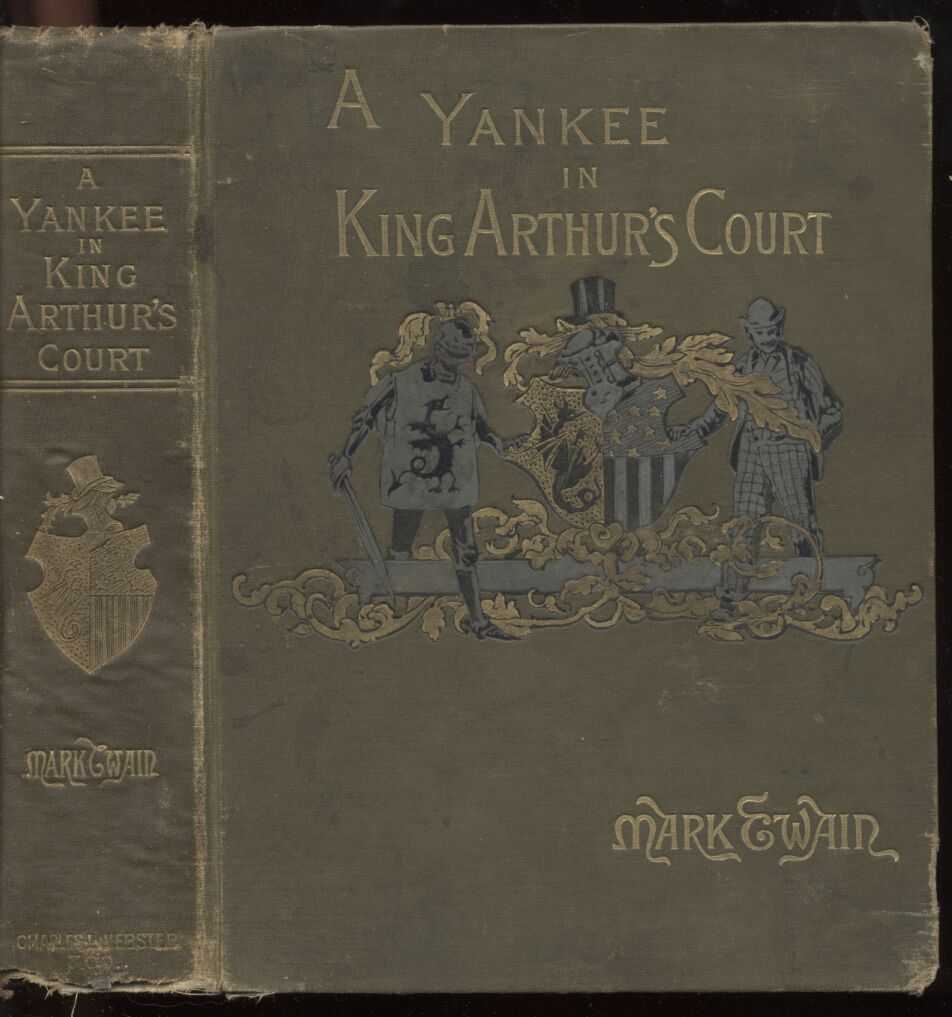 A Connecticut Yankee in King Arthur's Court, Part 4.
by Mark Twain
A Connecticut Yankee in King Arthur's Court, Part 4.
by Mark Twain