
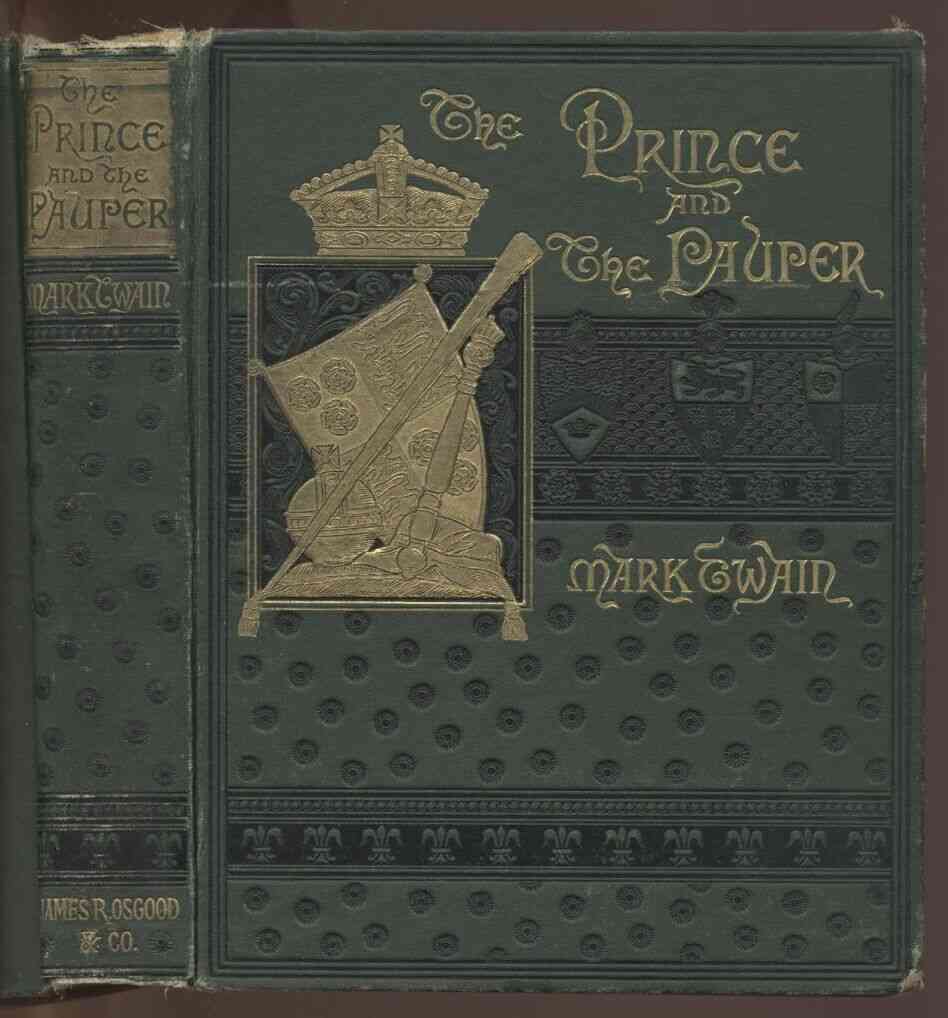
The Prince and the Pauper, Part 1.
The narrative opens with twin births into opposite stations, a destitute boy and the heir to the throne, and contrasts their early lives. It follows the pauper's brutal poverty and the prince's ceremonial upbringing until the boys meet and, after an impulsive swap of clothes, a case of mistaken identity scatters them. The prince wanders alone through the city, endures mockery, injury, and eventual capture by the pauper's violent father, while the pauper briefly experiences court life. Scenes emphasize social inequality, the fragility of status, and the beginnings of both boys' reversed fortunes.
About This Book
The narrative opens with twin births into opposite stations, a destitute boy and the heir to the throne, and contrasts their early lives. It follows the pauper's brutal poverty and the prince's ceremonial upbringing until the boys meet and, after an impulsive swap of clothes, a case of mistaken identity scatters them. The prince wanders alone through the city, endures mockery, injury, and eventual capture by the pauper's violent father, while the pauper briefly experiences court life. Scenes emphasize social inequality, the fragility of status, and the beginnings of both boys' reversed fortunes.
About the Author
More Books by This Author
 1601: Conversation as it was by the Social Fireside in the Time of the Tudors
by Mark Twain
1601: Conversation as it was by the Social Fireside in the Time of the Tudors
by Mark Twain
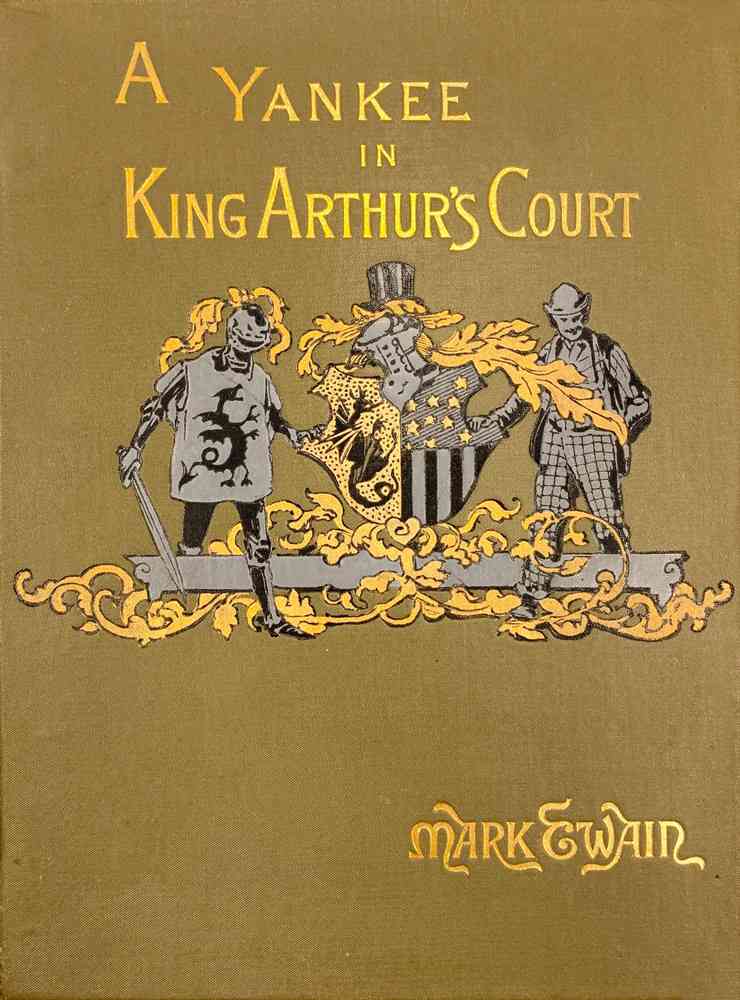 A Connecticut Yankee in King Arthur's Court
by Mark Twain
A Connecticut Yankee in King Arthur's Court
by Mark Twain
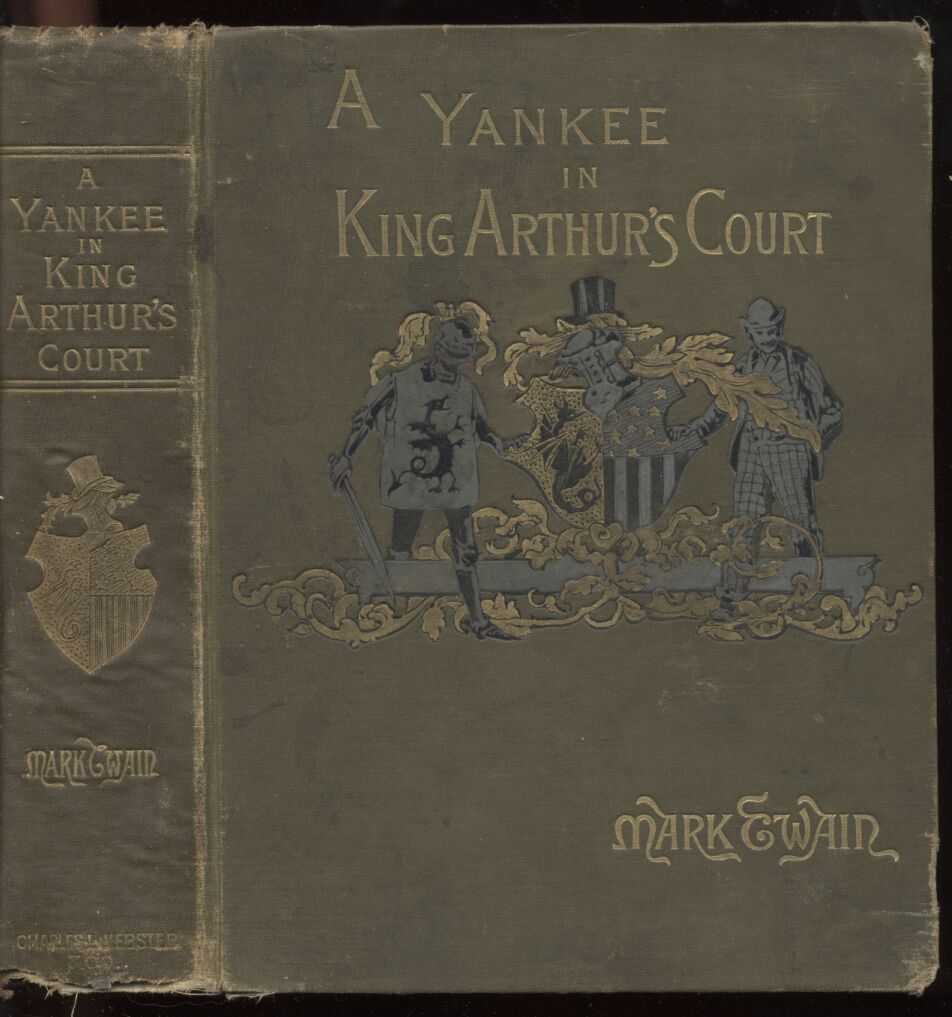 A Connecticut Yankee in King Arthur's Court, Part 1.
by Mark Twain
A Connecticut Yankee in King Arthur's Court, Part 1.
by Mark Twain
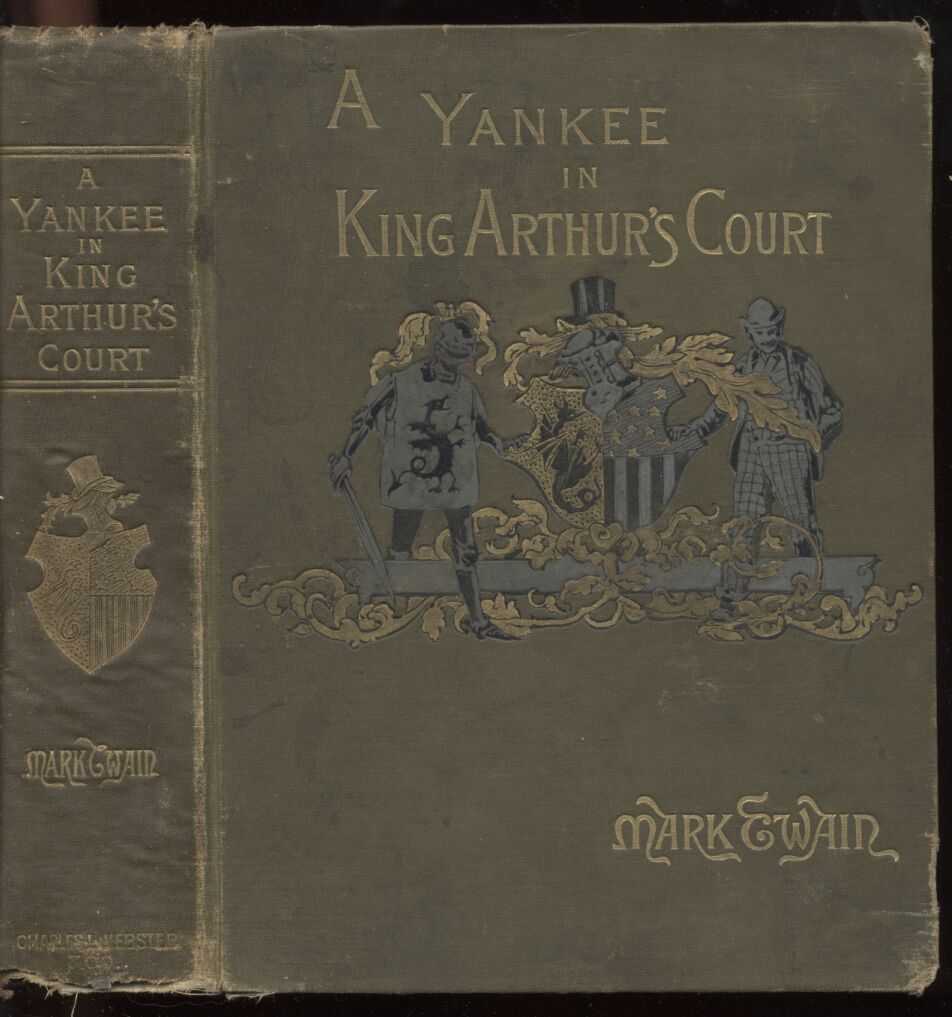 A Connecticut Yankee in King Arthur's Court, Part 2.
by Mark Twain
A Connecticut Yankee in King Arthur's Court, Part 2.
by Mark Twain
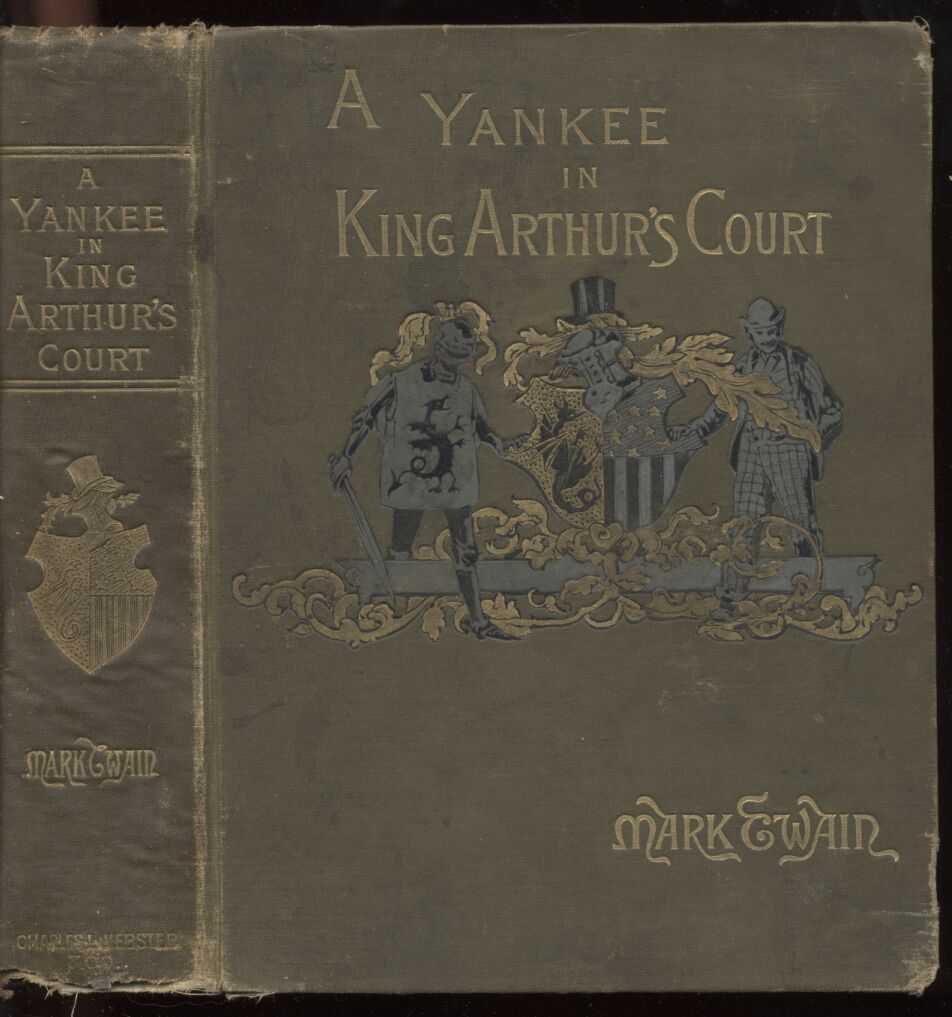 A Connecticut Yankee in King Arthur's Court, Part 3.
by Mark Twain
A Connecticut Yankee in King Arthur's Court, Part 3.
by Mark Twain
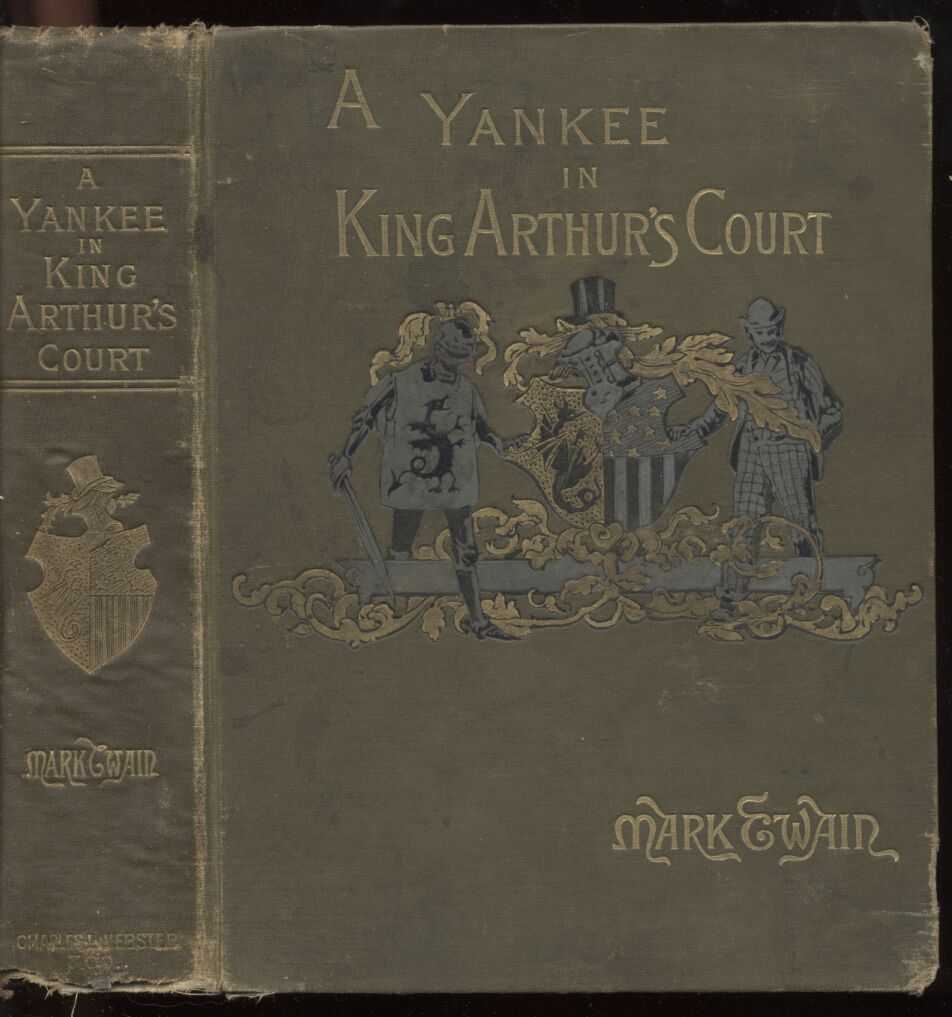 A Connecticut Yankee in King Arthur's Court, Part 4.
by Mark Twain
A Connecticut Yankee in King Arthur's Court, Part 4.
by Mark Twain
You May Also Like
 "1914"
by John Oxenham
"1914"
by John Oxenham
 "All's Well"; or, Alice's Victory
by Emily Sarah Holt
"All's Well"; or, Alice's Victory
by Emily Sarah Holt
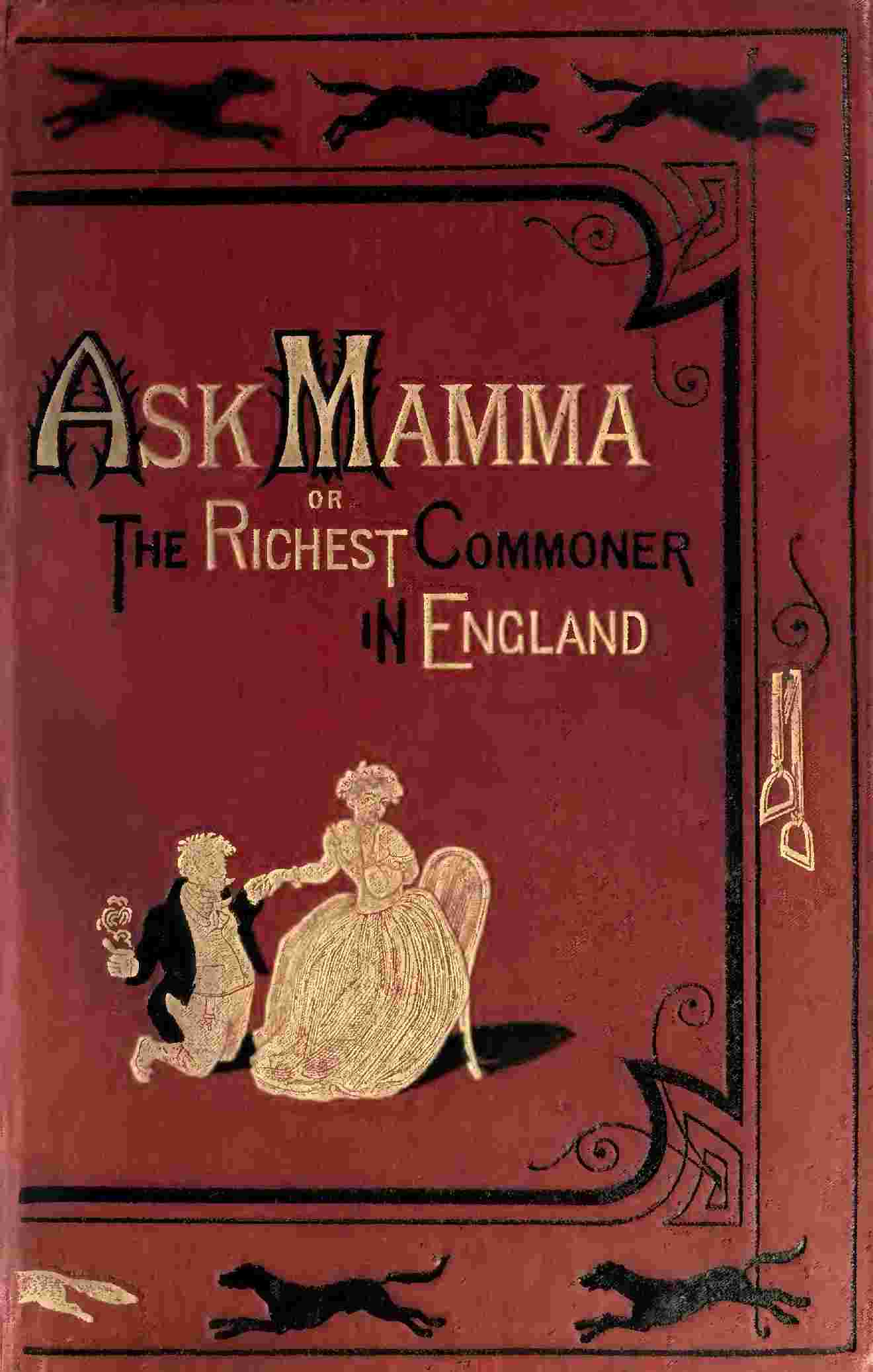 "Ask Mamma"; or, The Richest Commoner In England
by Robert Smith Surtees
"Ask Mamma"; or, The Richest Commoner In England
by Robert Smith Surtees
 "Bones": Being Further Adventures in Mr. Commissioner Sanders' Country
by Edgar Wallace
"Bones": Being Further Adventures in Mr. Commissioner Sanders' Country
by Edgar Wallace
 "Captains Courageous": A Story of the Grand Banks
by Rudyard Kipling
"Captains Courageous": A Story of the Grand Banks
by Rudyard Kipling
 "Captains Courageous": A Story of the Grand Banks
by Rudyard Kipling
"Captains Courageous": A Story of the Grand Banks
by Rudyard Kipling