

The Portrait of a Lady — Volume 2
The narrative follows a young American woman who, after inheriting wealth, travels in Europe, accepts a marriage that seems promising but soon reveals itself as constraining and emotionally barren. Her husband’s controlling temperament and the manipulative designs of a companion complicate relationships with friends who alternate between devotion and helplessness. A cousin’s illness and death, an exposure of hidden entanglements, and attempts at rescue force her to confront the costs of autonomy and duty. The novel probes the limits of freedom, moral responsibility, and the painful consequences of choices left unresolved at its close.
About This Book
The narrative follows a young American woman who, after inheriting wealth, travels in Europe, accepts a marriage that seems promising but soon reveals itself as constraining and emotionally barren. Her husband’s controlling temperament and the manipulative designs of a companion complicate relationships with friends who alternate between devotion and helplessness. A cousin’s illness and death, an exposure of hidden entanglements, and attempts at rescue force her to confront the costs of autonomy and duty. The novel probes the limits of freedom, moral responsibility, and the painful consequences of choices left unresolved at its close.
About the Author
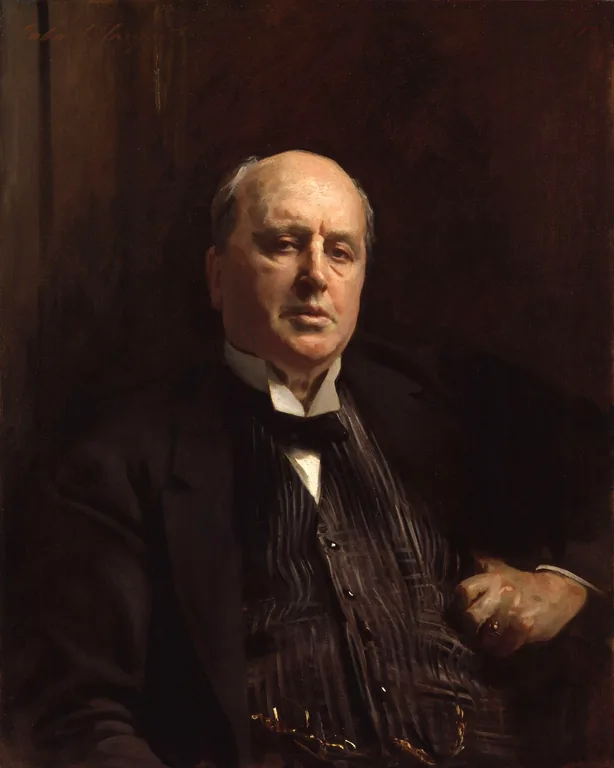
More Books by This Author






You May Also Like
 "1914"
by John Oxenham
"1914"
by John Oxenham
 "All's Well"; or, Alice's Victory
by Emily Sarah Holt
"All's Well"; or, Alice's Victory
by Emily Sarah Holt
 "Ask Mamma"; or, The Richest Commoner In England
by Robert Smith Surtees
"Ask Mamma"; or, The Richest Commoner In England
by Robert Smith Surtees
 "Bones": Being Further Adventures in Mr. Commissioner Sanders' Country
by Edgar Wallace
"Bones": Being Further Adventures in Mr. Commissioner Sanders' Country
by Edgar Wallace
 "Captains Courageous": A Story of the Grand Banks
by Rudyard Kipling
"Captains Courageous": A Story of the Grand Banks
by Rudyard Kipling
 "Captains Courageous": A Story of the Grand Banks
by Rudyard Kipling
"Captains Courageous": A Story of the Grand Banks
by Rudyard Kipling