
About This Book
This study examines the psychological and aesthetic foundations of motion pictures, tracing their technical emergence and theatrical expansion while focusing on how film perception differs from real-world perception. It argues that depth and movement on screen are partly mental constructions, emphasizes attention as the organizing faculty that gives on-screen events meaning, and analyzes memory, imagination, and emotion in cinematic experience. The second part situates the motion picture among the arts, comparing expressive means, outlining formal demands and techniques for effective storytelling, and considering the art's purposes and social and aesthetic functions.
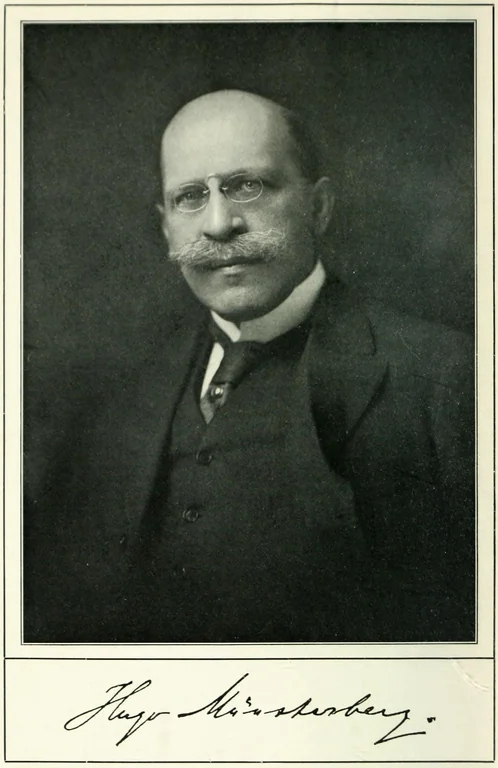
About the Author
More Books by This Author
4 picks


You May Also Like
6 picks
 Jack Straw: A Farce in Three Acts
by W. Somerset Maugham
Jack Straw: A Farce in Three Acts
by W. Somerset Maugham
 The New Hudson Shakespeare: Julius Cæsar
by William Shakespeare
The New Hudson Shakespeare: Julius Cæsar
by William Shakespeare
 Ei sitä voi koskaan tietää
by Bernard Shaw
Ei sitä voi koskaan tietää
by Bernard Shaw
 Danton
by Romain Rolland
Danton
by Romain Rolland
 The First and the Last: A Drama in Three Scenes
by John Galsworthy
The First and the Last: A Drama in Three Scenes
by John Galsworthy
 Playwrights on playmaking
by Brander Matthews
Playwrights on playmaking
by Brander Matthews