WeRead Powered by ReaderPub
The Pension Beaurepas cover

The Pension Beaurepas

A young aspiring writer takes inexpensive lodging in a Geneva boarding-house and closely observes its daily life. The elderly proprietress, her niece, and a bustling cook run a plain but comfortable household where domestic routines, meals, and rooms reveal social habits. The narrator sketches fellow lodgers and the establishment’s types with quiet irony and detailed attention, noting pretensions, small economies, and interpersonal rituals. These portraits and vignettes turn ordinary domestic scenes into material for reflection on manners, character, and the small theatricalities of bourgeois life, mixing affectionate description with understated social critique.

About This Book

A young aspiring writer takes inexpensive lodging in a Geneva boarding-house and closely observes its daily life. The elderly proprietress, her niece, and a bustling cook run a plain but comfortable household where domestic routines, meals, and rooms reveal social habits. The narrator sketches fellow lodgers and the establishment’s types with quiet irony and detailed attention, noting pretensions, small economies, and interpersonal rituals. These portraits and vignettes turn ordinary domestic scenes into material for reflection on manners, character, and the small theatricalities of bourgeois life, mixing affectionate description with understated social critique.

About the Author
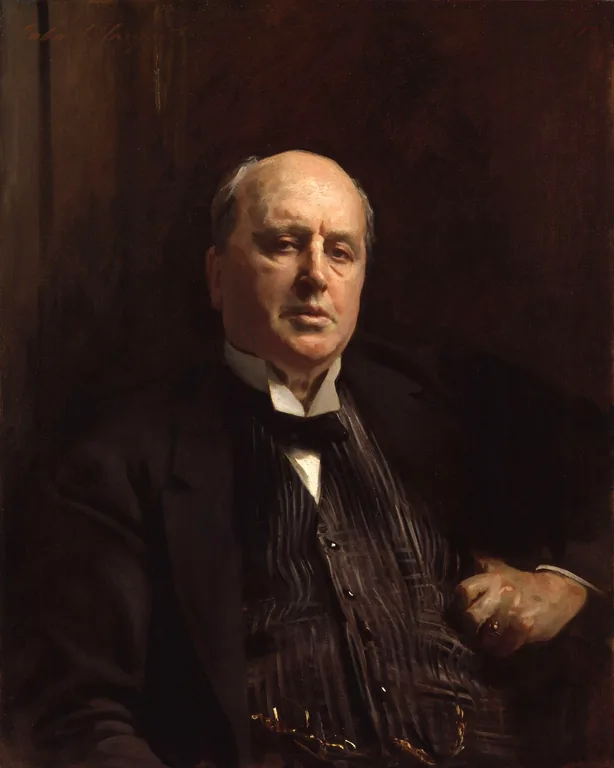
James, Henry portrait

Henry James

Henry James (1843-1916) was an American-British author known for his contributions to literary realism and psychological fiction. His works often explore themes of consciousness and the complexities of human relationships. James is particularly recognized for his nuanced character studies and intricate narratives. One of his most notable works, "Daisy Miller: A Study," examines the clash between American and European cultures through the lens of a young American woman's experiences in Europe. His extensive body of work includes novels, short stories, and critical essays, reflecting his keen observations of society and the human condition.

More Books by This Author