
About This Book
This work explores the widespread superstition that humans can transform into animals, particularly wolves. It examines various cultural interpretations of lycanthropy, tracing its origins to primitive practices such as wearing animal skins for hunting and ritualistic purposes. The text discusses how these beliefs may have developed independently across different regions, influenced by the necessity of early humans to confront and understand their animal counterparts. The author analyzes the connection between these transformations and early human survival strategies, suggesting that the werewolf myth reflects a complex interplay of fear, reverence, and the human experience with nature.
About the Author

You May Also Like
6 picks
 A Study of Pueblo Pottery as Illustrative of Zuñi Culture Growth. / Fourth Annual Report of the Bureau of Ethnology to the Secretary of the Smithsonian Institution, 1882-83, Government Printing Office, Washington, 1886, pages 467-522
by Frank Hamilton Cushing
A Study of Pueblo Pottery as Illustrative of Zuñi Culture Growth. / Fourth Annual Report of the Bureau of Ethnology to the Secretary of the Smithsonian Institution, 1882-83, Government Printing Office, Washington, 1886, pages 467-522
by Frank Hamilton Cushing
 An account of some recent discoveries in hieroglyphical literature, and Egyptian antiquities
by Thomas Young
An account of some recent discoveries in hieroglyphical literature, and Egyptian antiquities
by Thomas Young
 Ophiolatreia / An Account of the Rites and Mysteries Connected with the Origin, Rise, and Development of Serpent Worship in Various Parts of the World
by Edward Sellon
Ophiolatreia / An Account of the Rites and Mysteries Connected with the Origin, Rise, and Development of Serpent Worship in Various Parts of the World
by Edward Sellon
 The History of Sabatai Sevi, the Suppos'd Messiah of the Jews
by John Evelyn
The History of Sabatai Sevi, the Suppos'd Messiah of the Jews
by John Evelyn
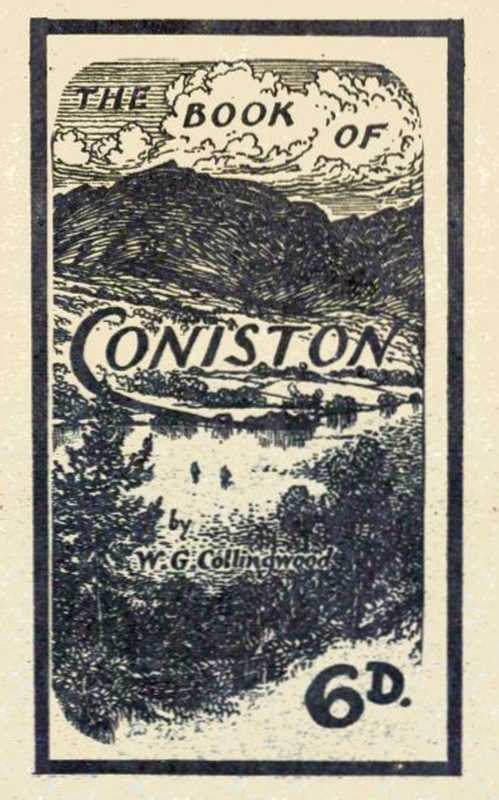 The Book of Coniston
by W. G. Collingwood
The Book of Coniston
by W. G. Collingwood
 Captain Canot; Or, Twenty Years of an African Slaver
by Theodore Canot
Captain Canot; Or, Twenty Years of an African Slaver
by Theodore Canot