
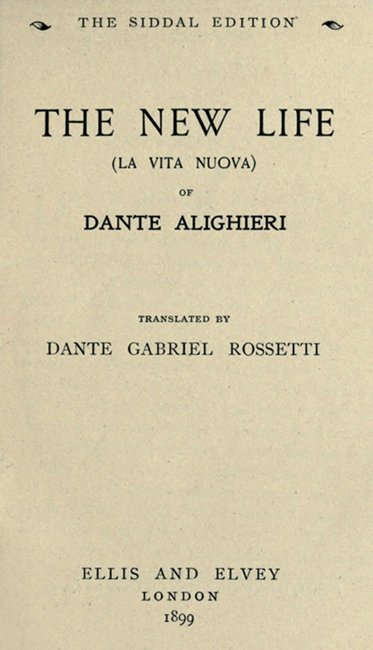
The New Life (La Vita Nuova)
The work mixes first-person prose recollections and lyric poems to chart a young man's ardent, spiritualized devotion to an idealized woman, beginning with youthful admiration, celebrating meetings and composing sonnets and canzoni, mourning her death, and transmuting personal desire into a principle of divine love and poetic vocation. Each poem is framed by explanatory prose that reflects on language, symbolism, and the moral meaning of love, while cataloguing poetic development and the consolations of memory and wisdom. The sequence anticipates later theological and imaginative concerns by transforming personal grief into ethical reflection and poetic practice.
About This Book
The work mixes first-person prose recollections and lyric poems to chart a young man's ardent, spiritualized devotion to an idealized woman, beginning with youthful admiration, celebrating meetings and composing sonnets and canzoni, mourning her death, and transmuting personal desire into a principle of divine love and poetic vocation. Each poem is framed by explanatory prose that reflects on language, symbolism, and the moral meaning of love, while cataloguing poetic development and the consolations of memory and wisdom. The sequence anticipates later theological and imaginative concerns by transforming personal grief into ethical reflection and poetic practice.
About the Author
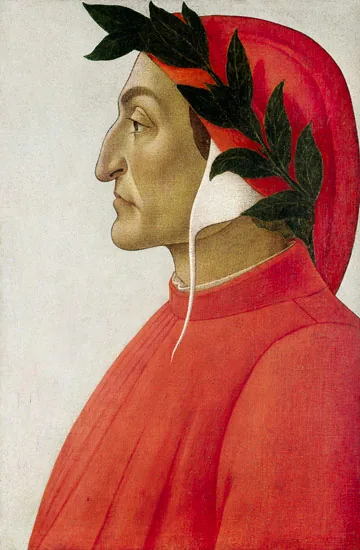
More Books by This Author
 Dante's Hel / In proza overgebracht en met een inleiding voorzien
by Dante Alighieri
Dante's Hel / In proza overgebracht en met een inleiding voorzien
by Dante Alighieri
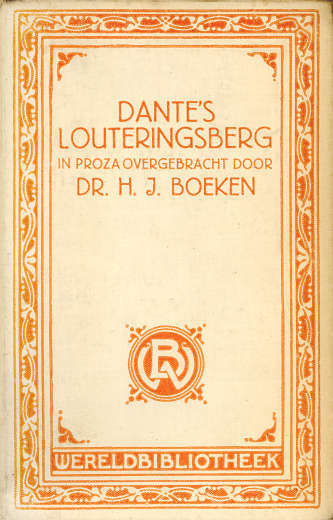 Dante's Louteringsberg / in proza overgebracht
by Dante Alighieri
Dante's Louteringsberg / in proza overgebracht
by Dante Alighieri
 Die Göttliche Komödie
by Dante Alighieri
Die Göttliche Komödie
by Dante Alighieri
 Divina Commedia di Dante: Inferno
by Dante Alighieri
Divina Commedia di Dante: Inferno
by Dante Alighieri
 Divina Commedia di Dante: Paradiso
by Dante Alighieri
Divina Commedia di Dante: Paradiso
by Dante Alighieri
 Divina Commedia di Dante: Purgatorio
by Dante Alighieri
Divina Commedia di Dante: Purgatorio
by Dante Alighieri
You May Also Like
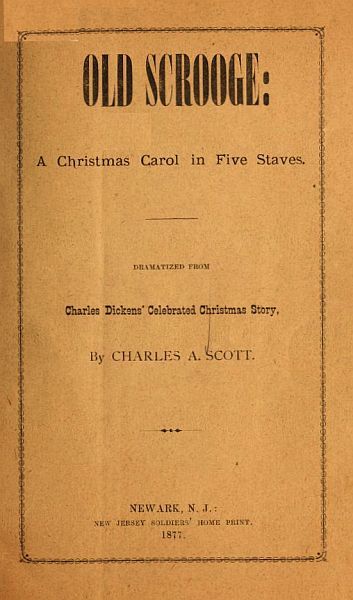 "Old Scrooge": A Christmas Carol in Five Staves. / Dramatized from Charles Dickens' Celebrated Christmas Story.
by Charles Augustus Scott
"Old Scrooge": A Christmas Carol in Five Staves. / Dramatized from Charles Dickens' Celebrated Christmas Story.
by Charles Augustus Scott
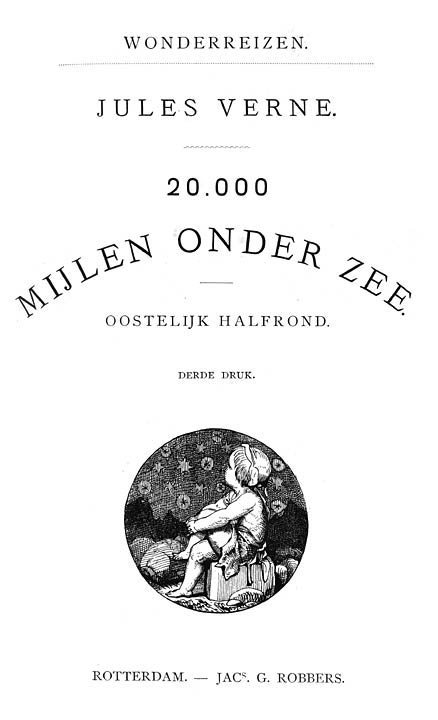 20.000 Mijlen onder Zee: Oostelijk Halfrond
by Jules Verne
20.000 Mijlen onder Zee: Oostelijk Halfrond
by Jules Verne
 20.000 Mijlen onder Zee: Westelijk Halfrond
by Jules Verne
20.000 Mijlen onder Zee: Westelijk Halfrond
by Jules Verne
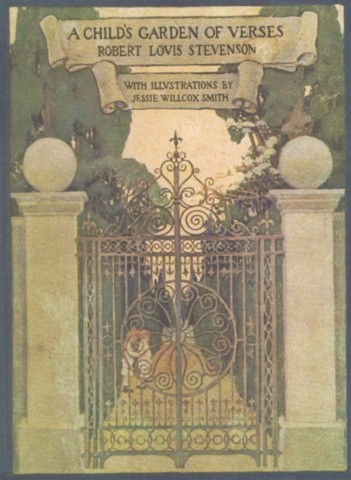 A Child's Garden of Verses
by Robert Louis Stevenson
A Child's Garden of Verses
by Robert Louis Stevenson
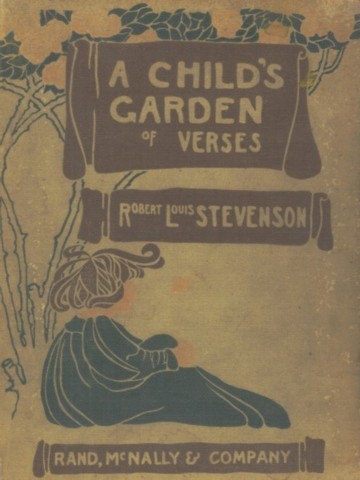 A Child's Garden of Verses
by Robert Louis Stevenson
A Child's Garden of Verses
by Robert Louis Stevenson
 A Child's Garden of Verses
by Robert Louis Stevenson
A Child's Garden of Verses
by Robert Louis Stevenson