
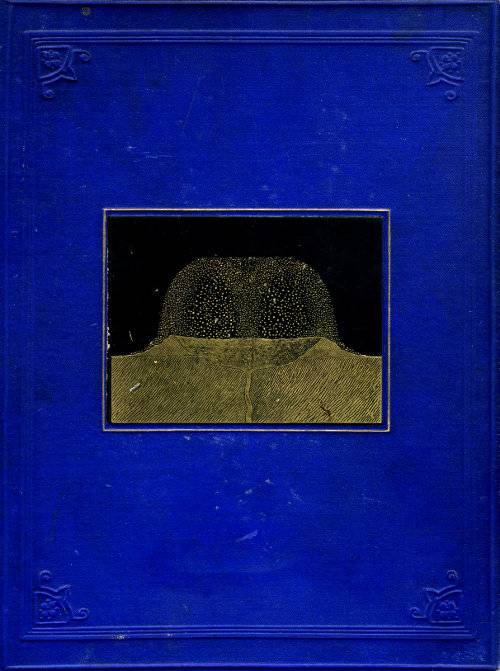
The Moon: considered as a planet, a world, and a satellite.
Explore more books like this:
About This Book
A scientific survey examines lunar origins, internal heat generation, and subsequent cooling to argue how contraction and volcanic activity shaped craters, ridges, and plains. It assesses mass, size, density, and the lack of any substantial atmosphere or surface water, then describes observational methods and detailed topography, including measurements, maps, and high-resolution illustrations produced by model-making and photography. The authors connect surface features to general cosmogonic hypotheses, evaluate habitability under lunar conditions, and conclude with reflections on the moon’s role as a satellite and its effects upon Earth.
About the Author

More Books by This Author
1 picks

You May Also Like
6 picks
 Nouvelle géographie universelle (1/19) / I L'Europe meridionale (Grèce, Turquie, Roumanie, Serbie, Italie, Espagne et Portugal)
by Elisée Reclus
Nouvelle géographie universelle (1/19) / I L'Europe meridionale (Grèce, Turquie, Roumanie, Serbie, Italie, Espagne et Portugal)
by Elisée Reclus
 The Cultivation of The Native Grape, and Manufacture of American Wines
by George Husmann
The Cultivation of The Native Grape, and Manufacture of American Wines
by George Husmann
 Het Yellowstone-Park
by Hugo de Vries
Het Yellowstone-Park
by Hugo de Vries
 Madam How and Lady Why; Or, First Lessons in Earth Lore for Children
by Charles Kingsley
Madam How and Lady Why; Or, First Lessons in Earth Lore for Children
by Charles Kingsley
 Man and Nature; Or, Physical Geography as Modified by Human Action
by George P. Marsh
Man and Nature; Or, Physical Geography as Modified by Human Action
by George P. Marsh
 The Shire Horse in Peace and War
by J. Albert Frost
The Shire Horse in Peace and War
by J. Albert Frost