
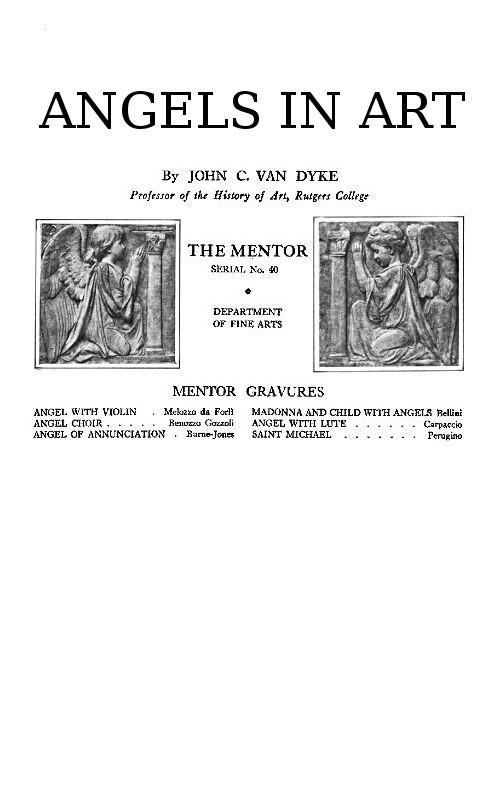
About This Book
The essay surveys the depiction of angels in visual art, tracing their origin from ancient winged deities and Greek Victory through Roman cupids, which Christians adapted into cherubs and ministering angels. It describes how medieval and Renaissance painters transformed pagan forms into emotive, humanized celestial figures, distinguishing seraphim (fiery, closest to God) and cherubim (blue-robed, of knowledge), and shows putti and musical angelic groups in devotional scenes. It discusses ministering and guardian angels in biblical episodes and outlines the named archangels such as Michael and Raphael, noting artistic conventions of color, wings, and ornamentation that convey spiritual roles.
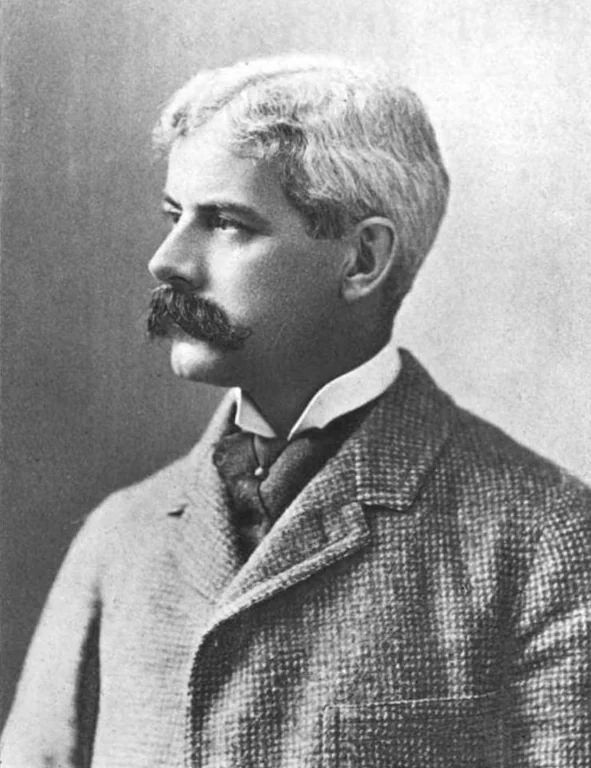
About the Author
More Books by This Author
6 picks
 A Text-Book of the History of Painting
by John C. Van Dyke
A Text-Book of the History of Painting
by John C. Van Dyke
 American painting and its tradition
by John C. Van Dyke
American painting and its tradition
by John C. Van Dyke
 The desert
by John C. Van Dyke
The desert
by John C. Van Dyke
 The meaning of pictures
by John C. Van Dyke
The meaning of pictures
by John C. Van Dyke
 The Mentor: Rembrandt, Vol. 4, Num. 20, Serial No. 120, December 1, 1916
by John C. Van Dyke
The Mentor: Rembrandt, Vol. 4, Num. 20, Serial No. 120, December 1, 1916
by John C. Van Dyke
 The Mentor: The National Gallery—London, Vol. 4, Num. 4, Serial No. 104, April 1, 1916 / Great Galleries of the World
by John C. Van Dyke
The Mentor: The National Gallery—London, Vol. 4, Num. 4, Serial No. 104, April 1, 1916 / Great Galleries of the World
by John C. Van Dyke
You May Also Like
6 picks
 Richard Wagner and His Poetical Work, from "Rienzi" to "Parsifal"
by Judith Gautier
Richard Wagner and His Poetical Work, from "Rienzi" to "Parsifal"
by Judith Gautier
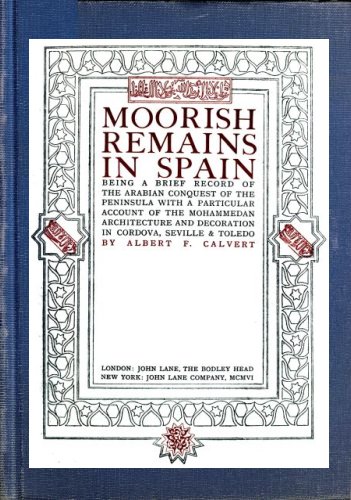 Moorish Remains in Spain
by Albert Frederick Calvert
Moorish Remains in Spain
by Albert Frederick Calvert
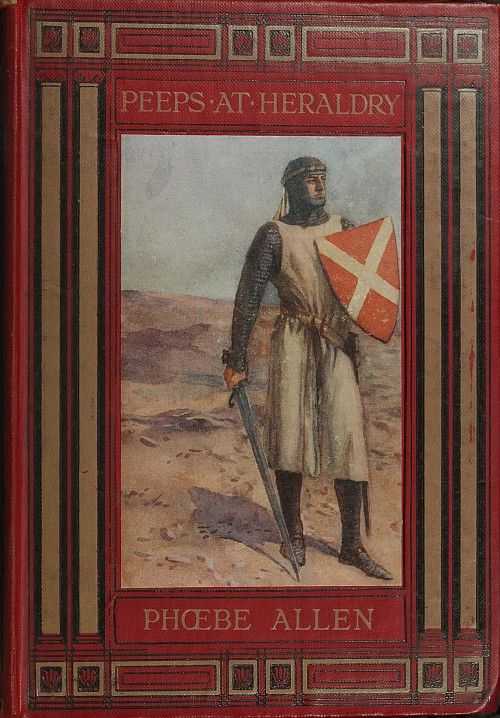 Peeps at Heraldry
by Phoebe Allen
Peeps at Heraldry
by Phoebe Allen
 Steve P. Holcombe, the Converted Gambler: His Life and Work
by Gross Alexander
Steve P. Holcombe, the Converted Gambler: His Life and Work
by Gross Alexander
 Reason and Faith; Their Claims and Conflicts / From The Edinburgh Review, October 1849, Volume 90, No. CLXXXII. (Pages 293-356)
by Henry Rogers
Reason and Faith; Their Claims and Conflicts / From The Edinburgh Review, October 1849, Volume 90, No. CLXXXII. (Pages 293-356)
by Henry Rogers
 St. Francis of Assisi
by G. K. Chesterton
St. Francis of Assisi
by G. K. Chesterton